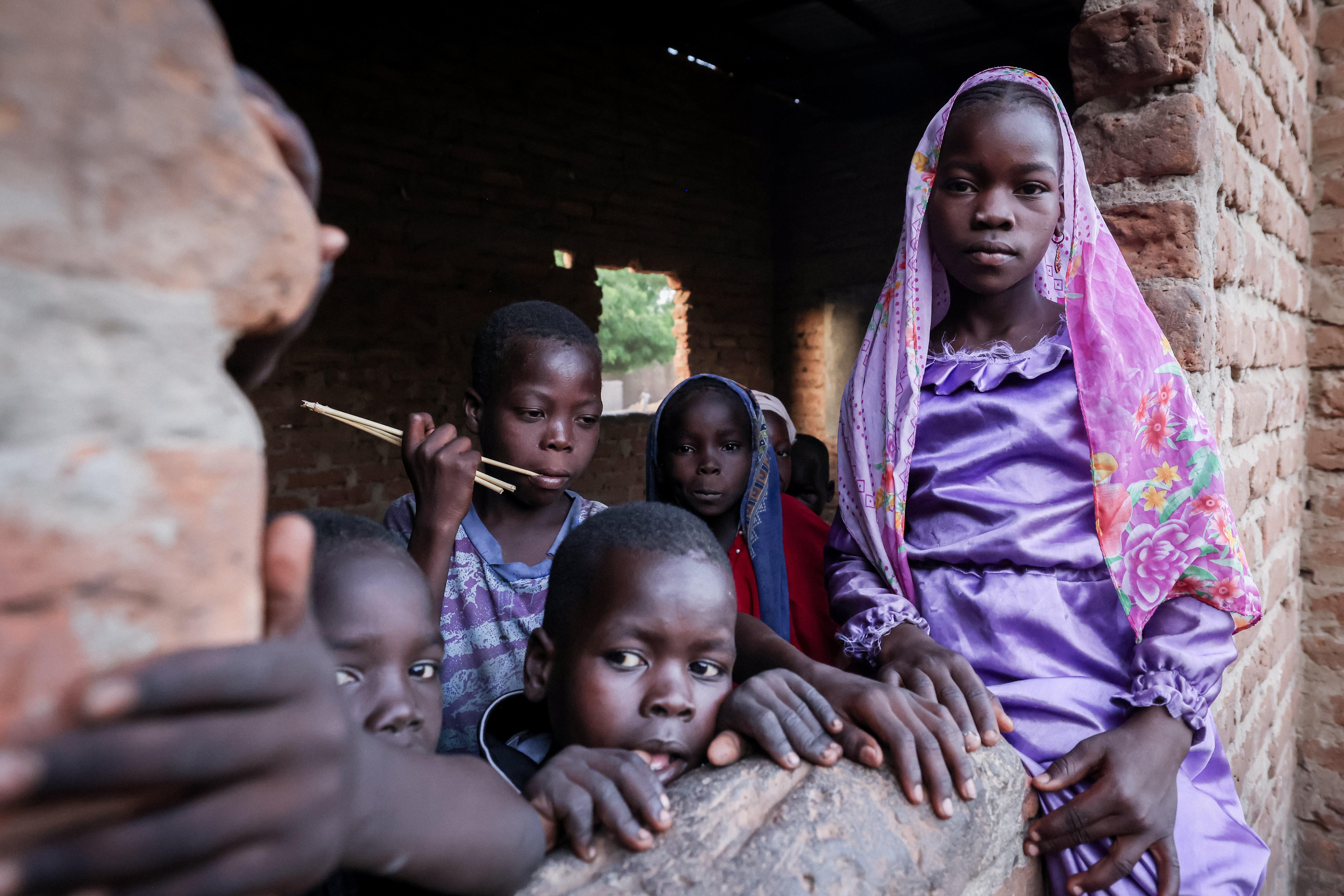
The threat of widespread hunger is intensifying across East Africa, and without immediate intervention, children will bear the heaviest toll. In Somalia alone, nearly 1.9 million children are projected to suffer acute malnutrition this year, as drought, conflict, displacement, and reduced humanitarian funding push communities to the brink. Famine conditions are becoming a growing risk in several areas.
Similar food insecurity is spreading through Sudan, South Sudan, Yemen, and Central America's dry corridor, where El Niño has triggered drought and unpredictable rainfall. Millions of families are now in the path of this escalating crisis, which is straining already fragile health and nutrition systems.
The silent toll of severe malnutrition
Save the Children's U.S. president and CEO, Janti Soeripto, describes the harrowing reality inside clinics treating infants and toddlers for severe acute malnutrition: the silence is overwhelming because the children are too weak to cry. Chronic hunger leaves children vulnerable to disease, death, and permanent developmental harm. For the youngest, severe malnutrition can be fatal within days.
Yet this suffering is preventable. Affordable, locally available foods can stop malnutrition before it becomes life-threatening. When children do reach the critical stage, Ready-to-Use Therapeutic Food is a proven lifesaver. However, many children relapse within months after treatment, highlighting the urgent need for a holistic approach that prioritizes prevention.
Data as a lifeline
Early warning systems like the Famine Early Warning Systems Network (FEWS NET) provide crucial data on food insecurity and famine risk, buying precious time to act before a crisis spirals. The U.S. government's recent decision to resume publishing FEWS NET analyses for Somalia, Afghanistan, and Yemen is a positive step, but visibility must now be matched with strategy and action.
Under the Global Food Security Act, the U.S. is required to release a Global Food Security Strategy every four years. The last one was issued in 2022, and its successor is overdue—even as hunger accelerates across East Africa and beyond. The State Department has pledged its commitment to lifesaving foreign assistance, and the new strategy is where that commitment must become concrete, with prevention, early action, and child protection at its core.
The cost of waiting
History shows the devastating consequences of delayed response. Fifteen years ago, the world ignored months of warnings about Somalia's worsening food crisis, and an estimated 258,000 people died, including 133,000 children under five. Nearly half of those deaths occurred before famine was officially declared. Waiting for a famine declaration means waiting until children are already in grave danger.
Save the Children, which has operated in hunger hotspots for decades, knows the stakes. The new strategy must be built on a clear understanding of where hunger is worsening, who is most vulnerable, and which interventions can stop a crisis before it becomes a catastrophe. It should integrate early warning, early financing, and early action, strengthening tools like FEWS NET with better technology, nutrition data, and insights from frontline workers and communities.
Investing in prevention is not only morally imperative but also economically sound: every dollar spent on preventative measures can save up to seven dollars in disaster-related losses. Preventing a child from becoming severely malnourished is always better than treating one who already is. The cost of inaction is measured not just in dollars, but in children's health, development, and lives.
The hunger crisis is not a distant threat—it is already here. We have the knowledge, the tools, and the data to prevent and treat it. What is missing is the political will to act on that knowledge before more children pay the price for our delay.