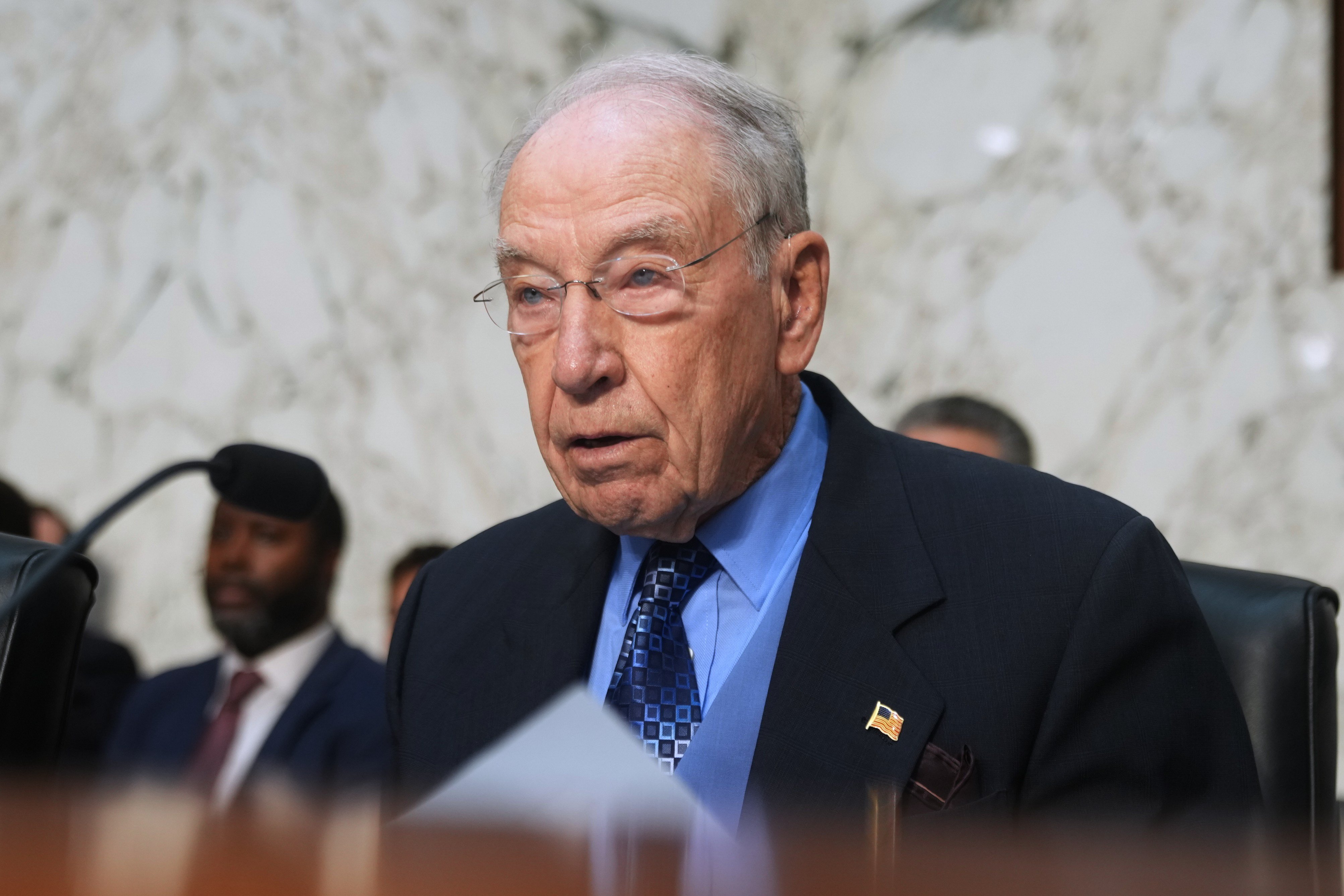
Sen. Chuck Grassley (R-Iowa) on Friday publicly pressed the Trump administration to complete a proposed rule that would restrict the sale of kratom, a plant-based substance with opioid-like effects that is currently available over the counter in many states.
In a post on X, Grassley wrote: “All Kratom is deadly it should NOT be sold at gas stations/vape stores/ANYWHERE Admin needs 2 put out final 7OH rule NOW Kratom is killing our kids BEWARE of special interest snake oil.”
The senator was referencing a proposed rule from the Drug Enforcement Administration (DEA) published in July. That rule would temporarily place any kratom product containing more than 0.05 percent dry weight of 7-hydroxymitragynine (7-OH)—the opioid-like compound found in kratom—into Schedule 1 under the Controlled Substances Act.
While kratom remains unscheduled at the federal level, 11 states have already banned it. In Grassley’s home state of Iowa, kratom is still legal to purchase.
The DEA stated in July that 7-OH “presents severe risks to public health, including tolerance, dependence and addiction.” Kratom, or Mitragyna speciosa, is native to Southeast Asia and is not currently listed under the Controlled Substances Act.
Supporters anecdotally claim the plant helps opioid users taper off stronger drugs, but major addiction organizations such as American Addiction Centers do not endorse it due to dependence risks, lack of regulation, and potential drug interactions.
Overdoses and deaths linked to kratom are rare, but the substance returned to headlines last month after two University of Mississippi students were found dead near packages of kratom. It remains unclear whether kratom caused their deaths, though two individuals have been charged with selling kratom in connection with the case.
In March, the Centers for Disease Control and Prevention published a report showing that kratom-related exposure reports surged by 1,200 percent between 2015 and 2025.
Grassley’s push adds pressure on the Trump administration to act amid broader debates over drug policy and public health. The DEA’s proposed rule has been in limbo, and finalizing it would mark a significant shift in federal oversight of kratom.