With Election Day roughly a month away, voters in Texas and Alabama are telling NewsNation that a mix of economic anxiety, skepticism toward political leaders, national security worries, and even the rise of artificial intelligence in campaigning are influencing how they view the 2026 midterm elections.
In Texas, independent voter Sandi Hebley said the emergence of AI-generated political advertising has added a new layer of concern, particularly in the closely watched Senate race between Republican Ken Paxton and Democrat James Talarico. “I’d rather hear from the actual people than something that some committee somewhere made up,” Hebley said.
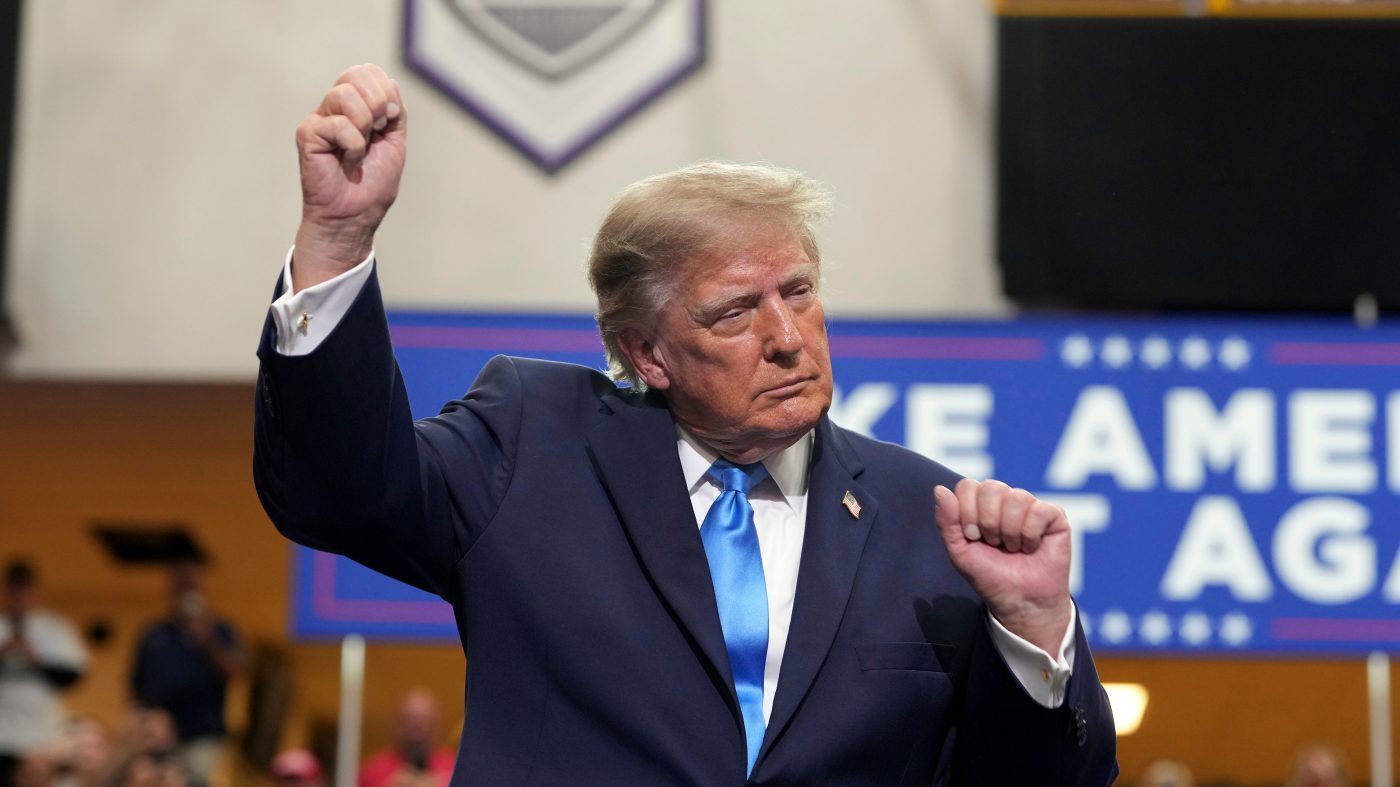
The Texas contest is shaping up as one of the most competitive Senate battles in the country. Recent polling shows Paxton and Talarico within a few points of each other, with some surveys giving Talarico a narrow edge. Both campaigns are actively courting Hispanic and Black voters, a demographic that could prove decisive in a state where demographic shifts have made once-safe Republican seats increasingly competitive.
Beyond the Texas race, voters in Alabama expressed similar concerns about the economy and the integrity of the political process. Many said they feel disconnected from politicians who seem more focused on partisan battles than on addressing the cost of living, healthcare, and jobs.
Democratic voter Andrea Cervantes argued that her party needs to recalibrate its approach. “I think that Democrats need to step up their game,” she told NewsNation, suggesting that the party should prioritize everyday issues over progressive messaging. Cervantes also called for greater transparency, noting that neither major party is immune to corruption. She warned that Democrats currently lack unity, which is pushing some voters toward independent identification.
The sentiment reflects a broader trend: voters are increasingly disillusioned with the two-party system, and many are weighing their options based on concrete policy outcomes rather than party loyalty. This dynamic could have significant implications for the GOP's immigration balancing act and other issues that are resonating with voters ahead of the midterms.
National security is also emerging as a key concern, particularly in light of ongoing international tensions. Some voters expressed worries about the potential for foreign conflicts to escalate, and they are watching how candidates address defense and diplomacy. The Trump administration's stance on Iran and other geopolitical flashpoints could influence voter decisions in competitive districts.
Meanwhile, economic pressures remain at the forefront. Voters are grappling with inflation, energy costs, and the impact of new technologies on jobs. The GOP faces voter anger over data center power bills, a sign that even traditionally Republican constituencies are frustrated with rising utility costs tied to tech infrastructure.
As the midterms approach, campaigns are scrambling to address these varied concerns. The Pentagon's decision to give troops a paid day off to vote underscores the importance of turnout, while both parties are working to energize their bases and win over independents like Hebley.
For now, the message from voters is clear: they want authenticity, accountability, and a focus on the issues that affect their daily lives. Whether candidates can deliver that message in a crowded and noisy political environment remains to be seen.