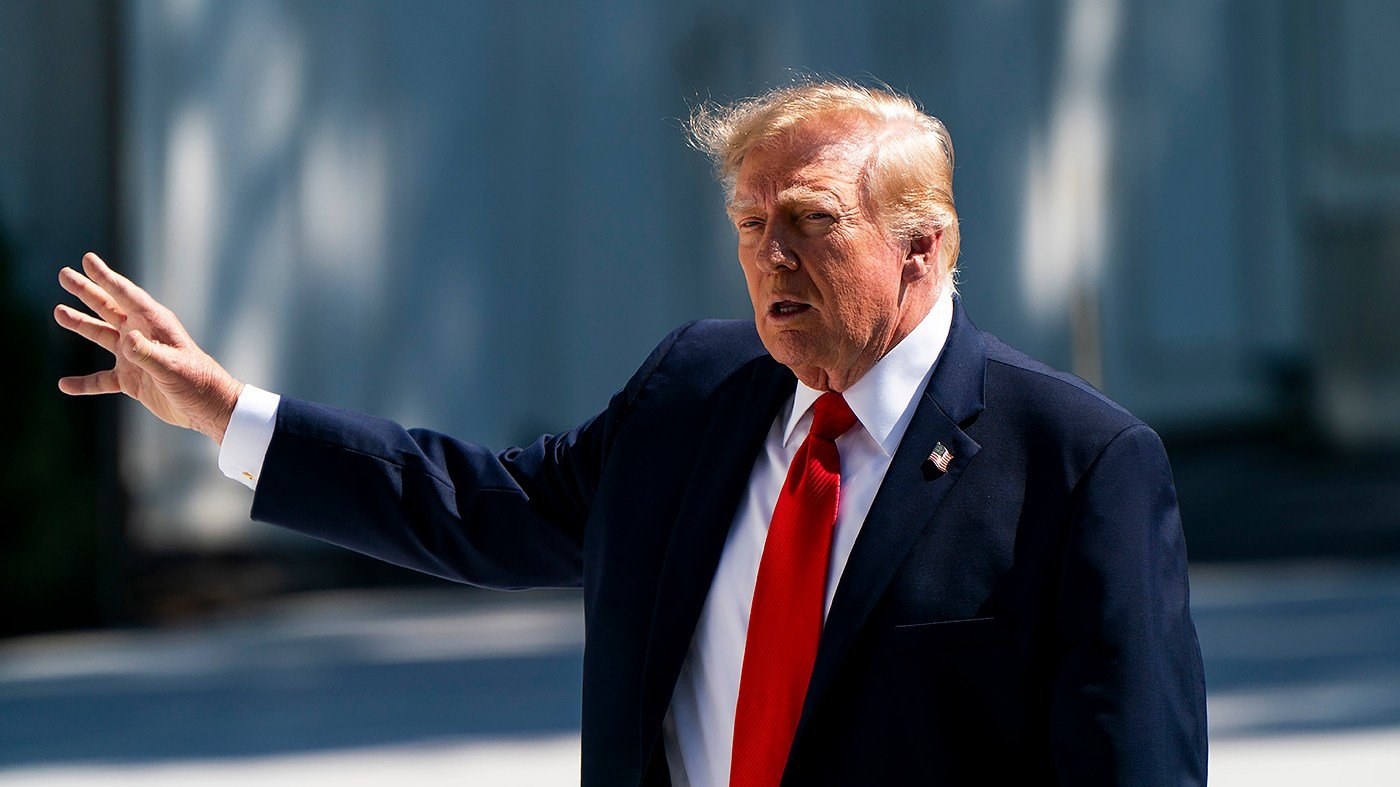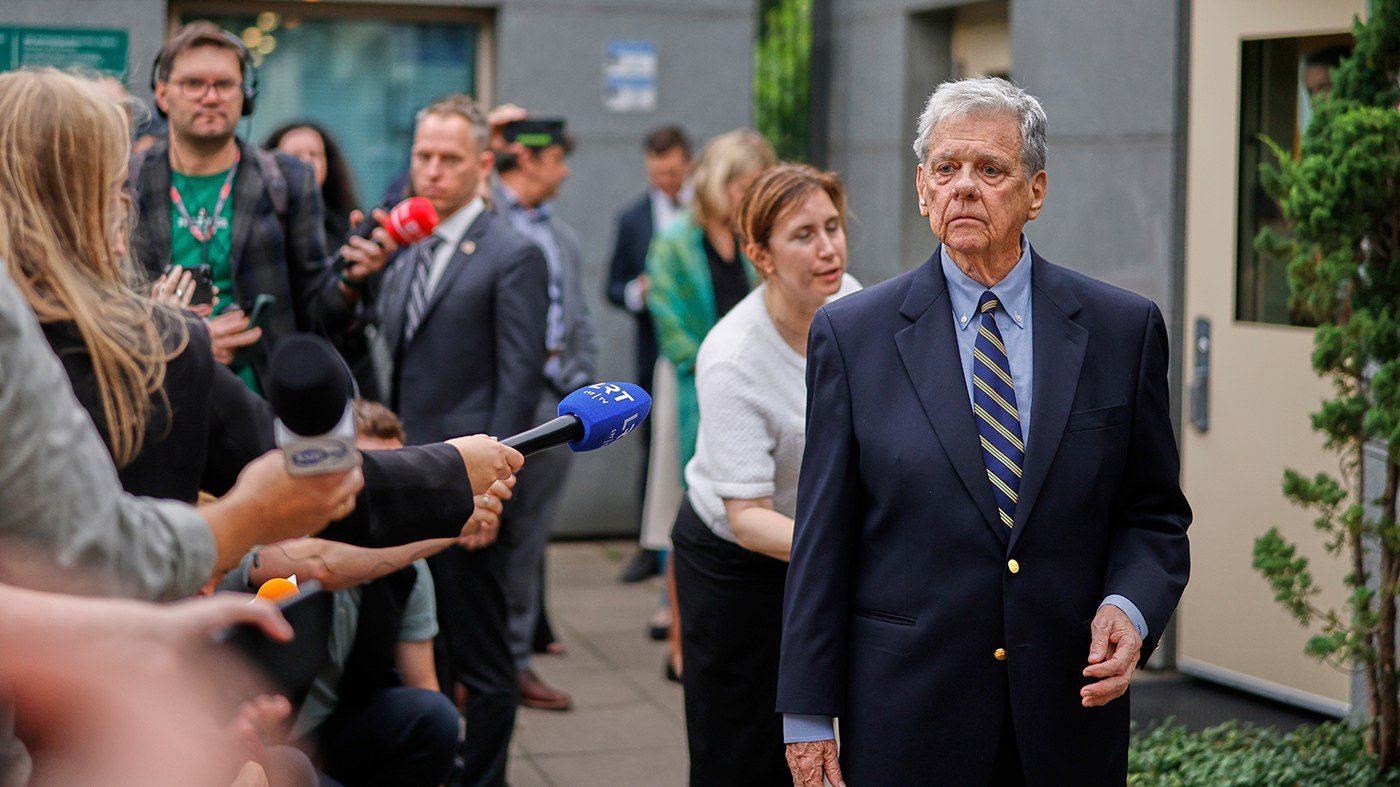
President Trump has tapped John Coale, his former attorney and current special envoy to Belarus, to lead U.S. efforts to free Americans detained abroad. Coale, known for his unconventional diplomacy, helped secure the release of hundreds of political prisoners in Belarus through back-channel talks with authoritarian leader Alexander Lukashenko.
Coale's nomination for Special Envoy for Hostage Affairs (SPEHA) was announced Monday, a role that carries ambassador rank and requires Senate confirmation. His strategy in Belarus involved offering Lukashenko access to weight-loss drugs and sanctions relief, and he now proposes a similar approach with Russian President Vladimir Putin—easing sanctions in exchange for releasing political prisoners.
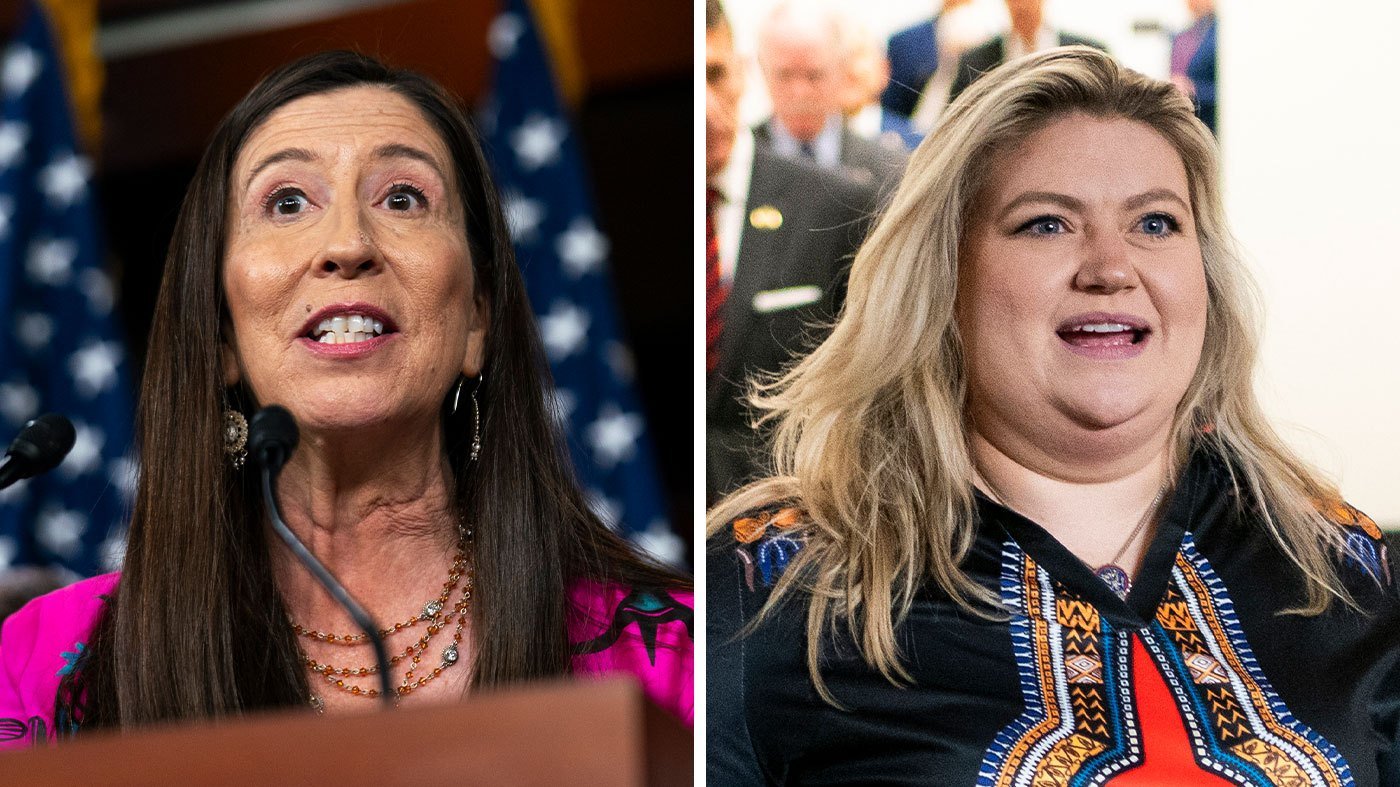
This plan is expected to draw sharp scrutiny during his confirmation hearing before the Senate Foreign Relations Committee. Sen. Jeanne Shaheen (D-N.H.), the outgoing ranking member, told The Hill that Coale faces tough questions and called sanctions relief on Russia "unacceptable." However, Shaheen, who is retiring, may not get the chance to question him if the hearing is delayed.
Sen. Bill Hagerty (R-Tenn.), a committee member, declined to comment on the sanctions strategy, calling negotiations for hostages "extraordinarily sensitive." Sen. Pete Ricketts (R-Neb.), the second-ranking Republican on the panel, was more direct: "I would advise keeping the sanctions on," he said, adding that Putin is "a dictator" and "we need to keep punching him in the nose."
The White House maintains that Trump is committed to ending the Russia-Ukraine war. A White House official told The Hill, "The President wants this war settled so the senseless killing ends," and expressed optimism about reaching a peace deal.
Coale, a former anti-tobacco litigator, earned Trump millions in settlements from social media companies after the January 6 Capitol attack. Initially appointed as deputy envoy for Ukraine, he was redirected to Minsk in 2025 to engage Lukashenko as a backchannel to Putin.
The U.S. shift toward engagement with Belarus marks a departure from the isolation and sanctions imposed after Lukashenko's crackdown on protesters in 2020. Lukashenko's release of prisoners has drawn Trump's praise, and Trump recently announced a "massive deal" to buy potash fertilizer from Belarus as an alternative to Canada. Regional experts view Lukashenko's public skepticism as a negotiating tactic.
Trump has touted the release of about 100 Americans and others, including Israeli hostages held by Hamas and a dual Israeli-Russian citizen held by an Iranian-backed militia. As SPEHA, Coale would handle cases involving adversaries like Russia, China, the Taliban, and Iran, as well as allies such as Turkey and Saudi Arabia.
Coale's ability to build rapport with Lukashenko—reportedly through "vodka-infused" talks and feigned enthusiasm for Lukashenko's insults of European leaders—suggests a knack for sensitive diplomacy. Whether his approach will work with Putin remains an open question as the Senate weighs his nomination.