Iranian Foreign Minister Abbas Araghchi announced on Thursday that Tehran has conveyed a seven-day proposal to Washington aimed at halting hostilities between the two nations, reopening the Strait of Hormuz, and paving the way for negotiations on a comprehensive peace agreement. Speaking to reporters in New York City on the sidelines of the UN General Assembly, Araghchi said the plan was delivered through intermediaries and that the strategic waterway would be reopened at the end of the seven-day period if the United States fulfills "certain conditions."
Proposal echoes collapsed June memorandum
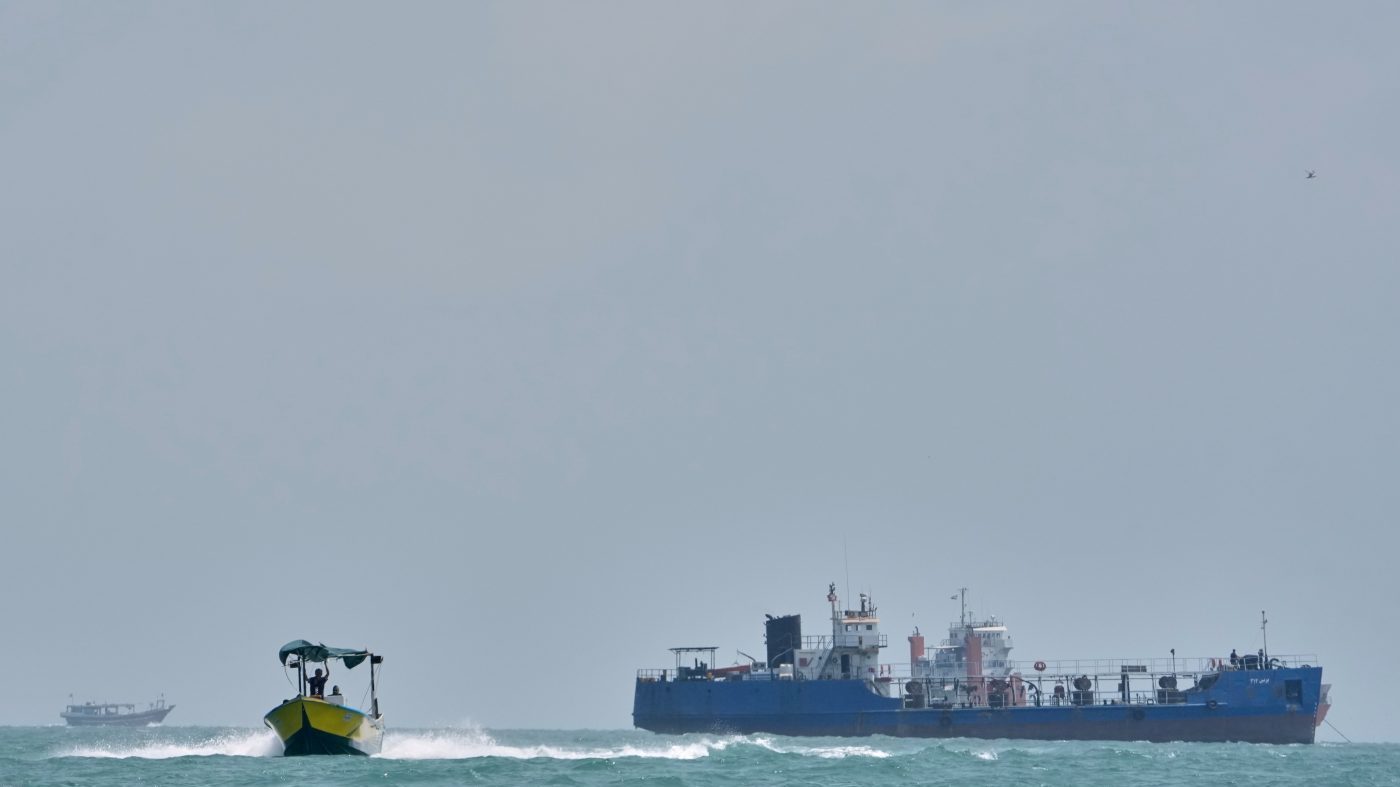
Araghchi noted that the terms of the new proposal closely mirror commitments contained in a now-defunct 14-point Memorandum of Understanding (MOU) that Washington and Tehran signed in June. That agreement fell apart in July when renewed fighting erupted between the two sides. The Strait of Hormuz, a chokepoint for roughly one-fifth of global oil traffic, has been a focal point of tensions, with previous incidents including an IRGC-claimed strike on a tanker in the Strait of Hormuz.

The Iranian proposal represents the latest diplomatic effort to de-escalate a conflict that has rattled energy markets and raised fears of a broader regional war. Oil prices have been volatile amid the hostilities, though a cooldown on Friday helped US stocks close out their first winning week in three. The Strait's closure or disruption has direct implications for global oil supplies, and any prolonged shutdown could exacerbate inflationary pressures.
Conditions remain undisclosed
Araghchi did not specify what conditions Washington must meet for the strait to be reopened, nor did he detail the full contents of the seven-day plan. The US State Department has not publicly commented on the proposal. The foreign minister's remarks came during a flurry of diplomatic activity at the UN General Assembly, where world leaders are grappling with multiple crises, including the war in Ukraine and tensions in the Middle East.
The fate of the proposal is uncertain, given the collapse of the previous MOU and the deep mistrust between the two capitals. The Biden administration has consistently said it prefers diplomacy but has not ruled out military options to ensure freedom of navigation in the Persian Gulf. Meanwhile, Congress remains closely engaged on Iran policy, with lawmakers from both parties pressing for tougher measures.
Energy and policy ripple effects
The standoff has already had domestic energy consequences. In Maine, heating oil prices hit record highs this week amid the Iran conflict, according to local reports. The broader energy landscape is also shifting: Germany pledged for the first time to phase out fossil fuels by 2045, a move that could reshape European energy markets. In Washington, the Senate may soon take up the Ratepayer Protection Act, which would require states to consider shifting data centers' electricity costs onto tech companies—a proposal that intersects with the grid strain caused by artificial intelligence demand. The Energy Department has its own $2 billion plan to modernize the aging grid, underscoring the growing energy demands of the tech sector.
On the diplomatic front, a group of senators including seven Republicans sent an open letter to President Trump on Friday expressing "serious concern" over his invitation to Russian President Vladimir Putin to attend the G20 summit in Miami later this year. That controversy is separate from the Iran talks but illustrates the charged foreign policy environment in which the seven-day plan is being considered.
As the clock ticks on Iran's proposal, all eyes are on whether Washington will engage. The reopening of the Strait of Hormuz would be a significant de-escalatory step, but the conditions attached to the plan—and the US response—will determine whether this diplomatic opening leads to a durable peace or another false start.