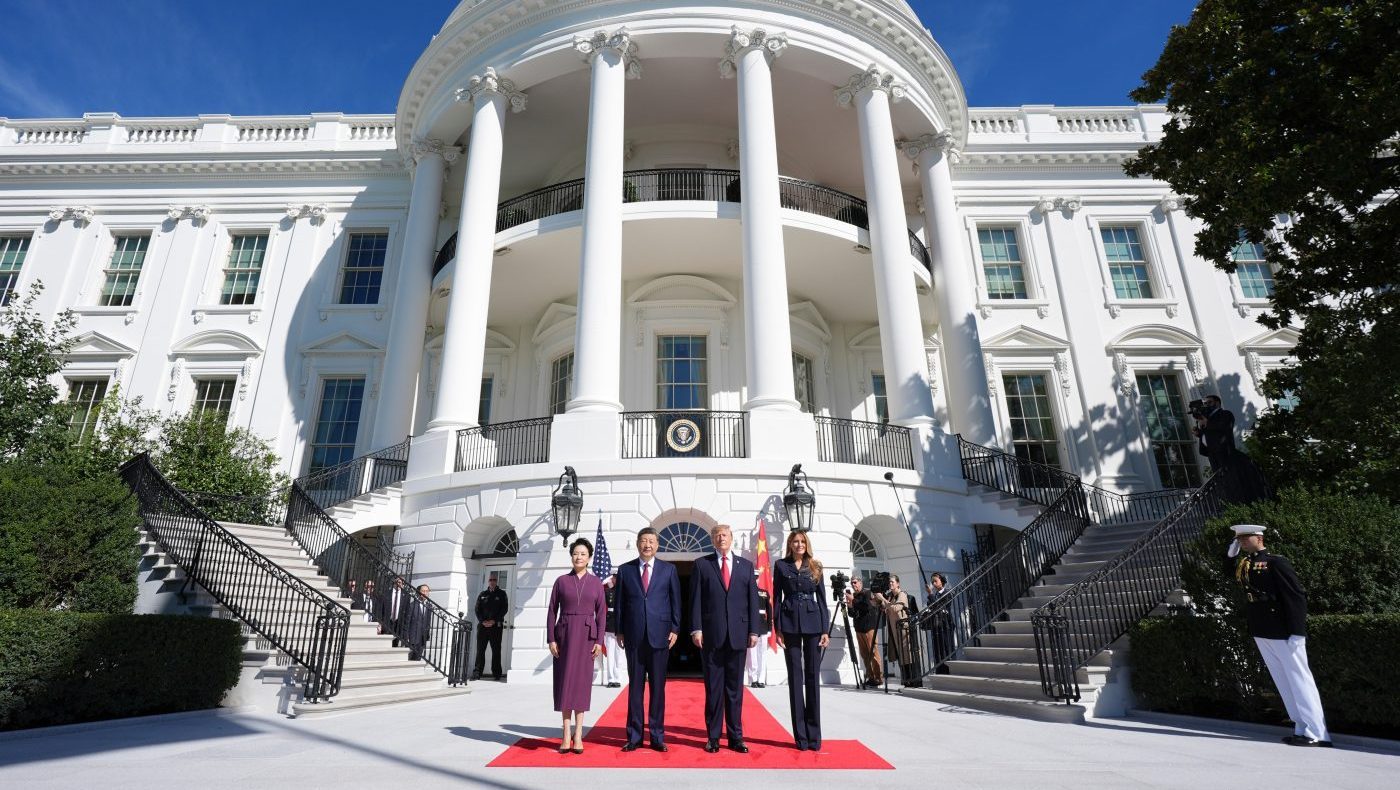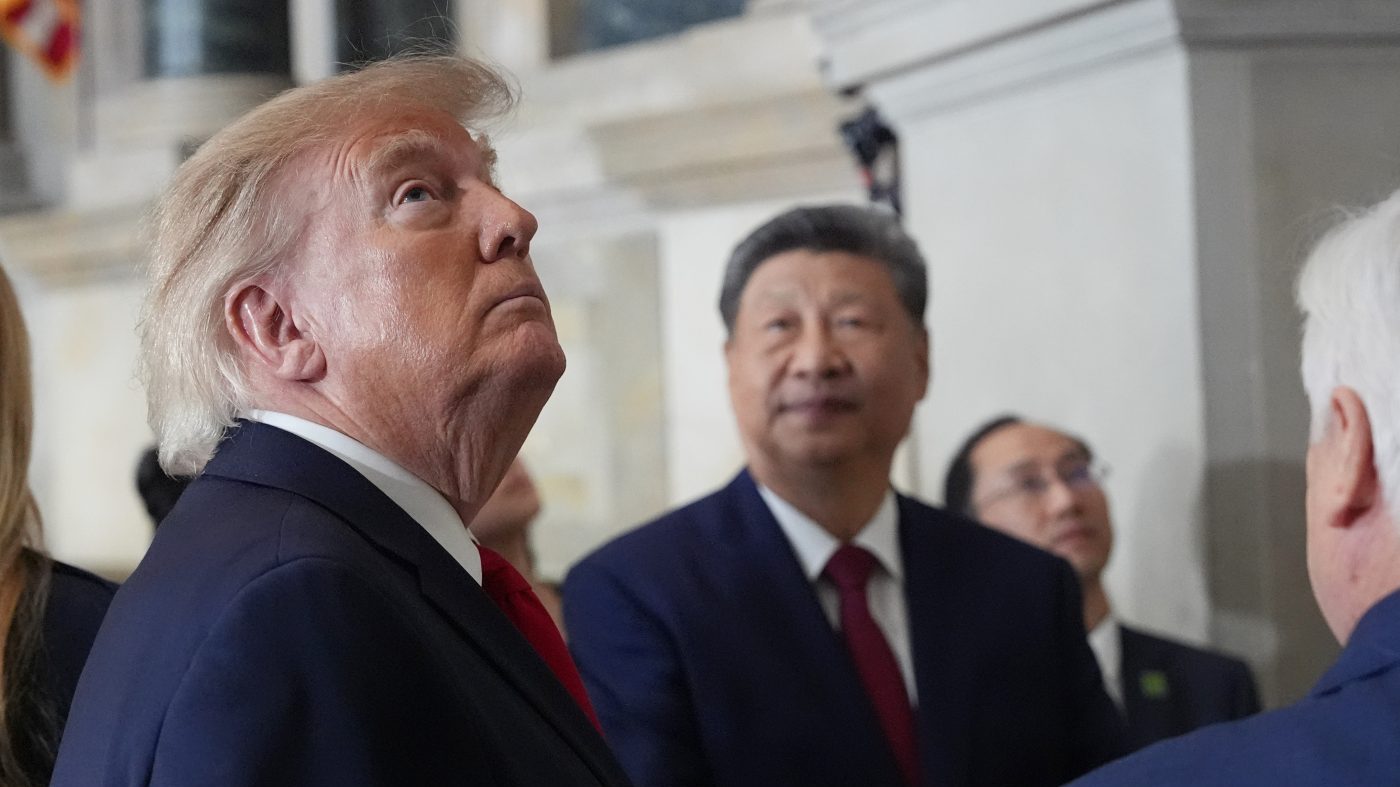
The White House television pool returned to normal operations Friday, allowing cameras to capture President Trump and first lady Melania Trump greeting Chinese leader Xi Jinping and his wife, Peng Liyuan, for morning tea on the final day of the state visit. CBS held the pool rotation, and its feed was carried by CNN, signaling a temporary resolution to the standoff that had disrupted coverage all week.
Trump had complained Thursday that CNN and MSNBC, both barred from the White House, were not covering what he called a "made-for-television" event. Reporters from those outlets were blocked from the state dinner Thursday night. In solidarity, the other four pool members—CBS, ABC, NBC, and Fox News—had refused their rotations earlier in the week.
The truce is fragile. A federal judge's injunction requires the White House to readmit CNN, MSNBC, and Politico to the press corps for two weeks. Beyond that, the administration may impose restrictions similar to those applied to The Associated Press last year, limiting access to venues like the Oval Office. The next test comes Saturday, when CNN is scheduled to hold the pool rotation.
During the tea, Xi told reporters that "new substance" had been added to U.S.-China relations, while Trump cited "positive things" and predicted American farmers would be "very happy" with the outcomes. Yet substantive deliverables from the summit remain unclear, and expectations had been low from the start.
One concrete result: China will send two giant pandas to Zoo Atlanta, a move announced Thursday. The pandas, Ping Ping and Fu Shuang, are set to arrive after the zoo's previous pair returned home two years ago.
Meanwhile, the economic backdrop is complicating the president's midterm message. The average 30-year mortgage rate climbed above 7 percent this week for the first time since January 2025, while Treasury yields hit multi-decade highs. The 30-year yield briefly touched a 22-year peak, and the 10-year yield reached a 19-year high. Investors are grappling with stubborn inflation, rising federal debt, and elevated energy prices tied to the ongoing Iran conflict, all while bracing for further Federal Reserve rate hikes.
Mortgage rates have risen for five consecutive weeks, up from 5.98 percent just before the Middle East crisis began. That trend is a political liability for Republicans, as affordability weighs heavily on voters ahead of November. GOP strategists worry the administration's focus on safe territory, as seen in recent rallies in deep-red states, may not address the economic anxieties driving swing voters.
On defense, the Pentagon is scrambling to build support for Trump's record $1.5 trillion budget request, but some GOP senators say officials waited too long to make the case. The push comes as an additional $87 billion funding request remains stalled, adding to fiscal tensions.
As the summit winds down, the White House is projecting normalcy, but the underlying disputes—over press access, economic policy, and foreign relations—remain unresolved. The coming days will test whether the temporary truce holds or if the standoff reignites.