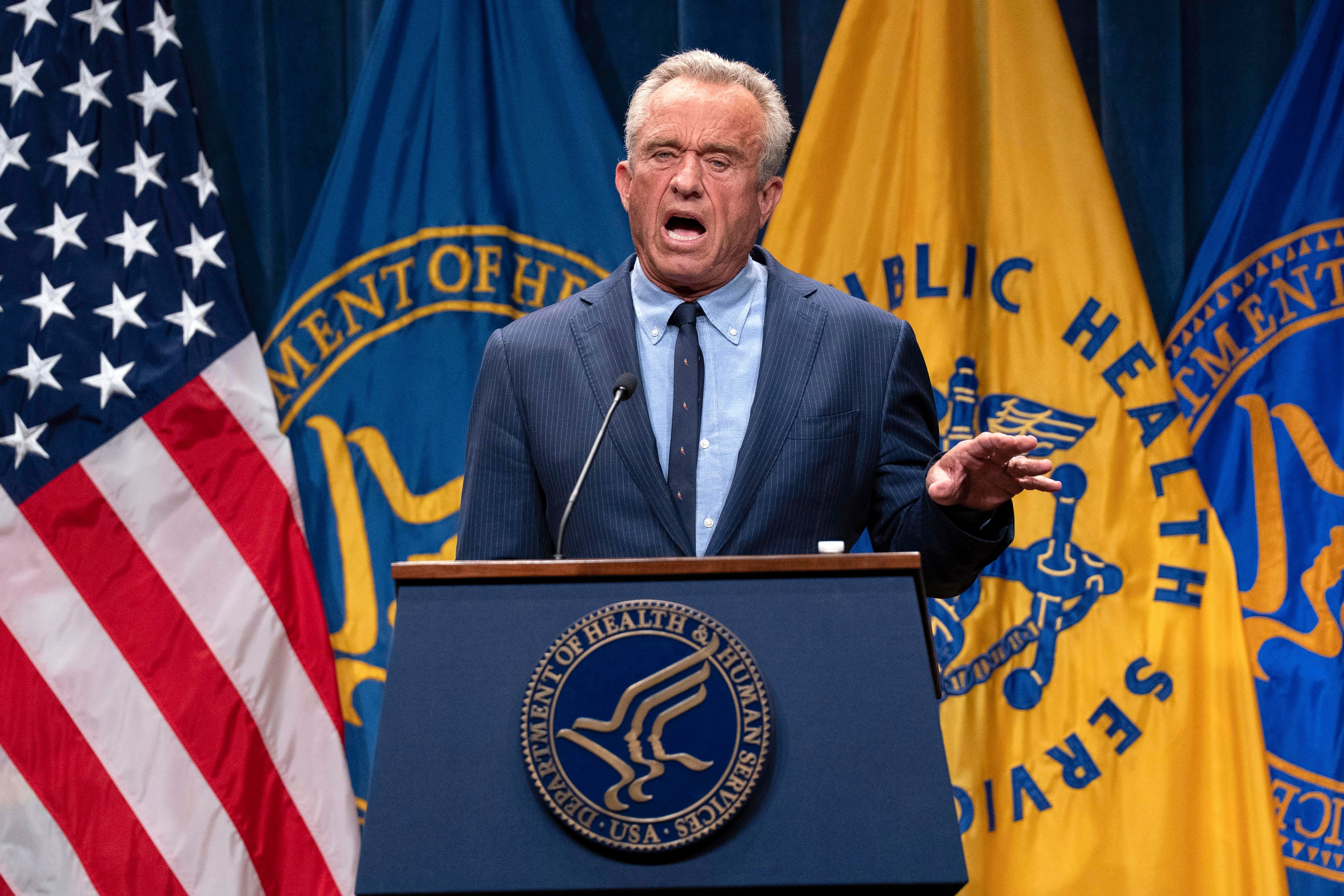
Four Senate Democrats are demanding answers from Health and Human Services Secretary Robert F. Kennedy Jr. over whether he concealed an arrangement to receive money from a settlement with a vaccine manufacturer, despite his pledge to divest from the litigation.
During his confirmation process last year, Kennedy was still entangled in a lawsuit brought by the law firm Wisner Baum against Merck over its HPV vaccine, Gardasil. The suit alleged that the vaccine caused neurological and autoimmune injuries. Merck agreed earlier this year to pay $50 million to settle the case without admitting wrongdoing, maintaining that its product is safe and effective. Wisner Baum subsequently confirmed that neither Kennedy nor his son would receive any portion of the settlement—a statement that contradicts what the secretary told Congress about how he would handle his financial interest.

Sens. Elizabeth Warren (Mass.), Ron Wyden (Oreg.), Richard Blumenthal (Conn.), and Angela Alsobrooks (Md.) sent a letter to Kennedy expressing skepticism about the discrepancy. “It is possible you made this valuable concession expecting nothing in return,” they wrote. “But if the agreement involves any kind of implicit or explicit agreement with Wisner Baum about future payments or other future rewards in exchange for your Gardasil stake, it would prompt concerns about your ongoing conflicts of interest with the firm, and about the integrity of your decisions at the Department of Health and Human Services.”
Kennedy initially signaled that he intended to keep part of any fees awarded in the case, arguing he was “entitled” to the money and was not actively involved as an attorney. He later reversed course, committing to divest his interest and assign it to his son, Conor Kennedy, an associate at Wisner Baum who is not listed among counsel on the Gardasil case. In an August letter to Warren, HHS Assistant Secretary for Legislation Gary Andres confirmed that the health secretary had irrevocably assigned his interests in the case to Wisner Baum.
“The modification also raises questions about the conditions and circumstances under which you decided to relinquish the stakes back to Wisner Baum,” the senators continued. “You have provided no explanation for this change, and you have failed to clarify whether it may entitle you to additional benefits or other considerations from Wisner Baum upon leaving government.”
They added: “If you made any kind of implicit or explicit agreement for future payment or other future rewards with Wisner Baum in exchange for assigning them this stake, it would mean that you have an ongoing conflict of interest that calls into question your integrity and the motivations for your decisions as HHS Secretary.”
The controversy is the latest ethics challenge for Kennedy, who has faced scrutiny over his financial ties and policy decisions. Similar concerns have dogged other Trump administration health nominees, such as the FDA confirmation hearing where vaccine and abortion questions went unanswered. The episode also echoes broader worries about ethical lapses in public health leadership, including allegations of racial bias in medical school admissions.
The Hill has reached out to HHS for comment, but no response has been issued. The senators are seeking a full accounting of Kennedy’s dealings with Wisner Baum and any agreements that could influence his oversight of vaccine policy.