For decades, Alzheimer's disease has resisted effective treatment, leaving millions of patients and their families with few options. Now, researchers at UC San Diego School of Medicine have identified a naturally occurring peptide that may offer a fresh strategy against this devastating condition and similar neurodegenerative disorders.
The peptide, called catestatin (CST), is a small protein fragment that appears to counteract several key drivers of neurodegeneration—the gradual loss of brain cells that underlies symptoms like memory loss, confusion, and impaired judgment. In advanced stages, patients may struggle with walking, talking, and swallowing.

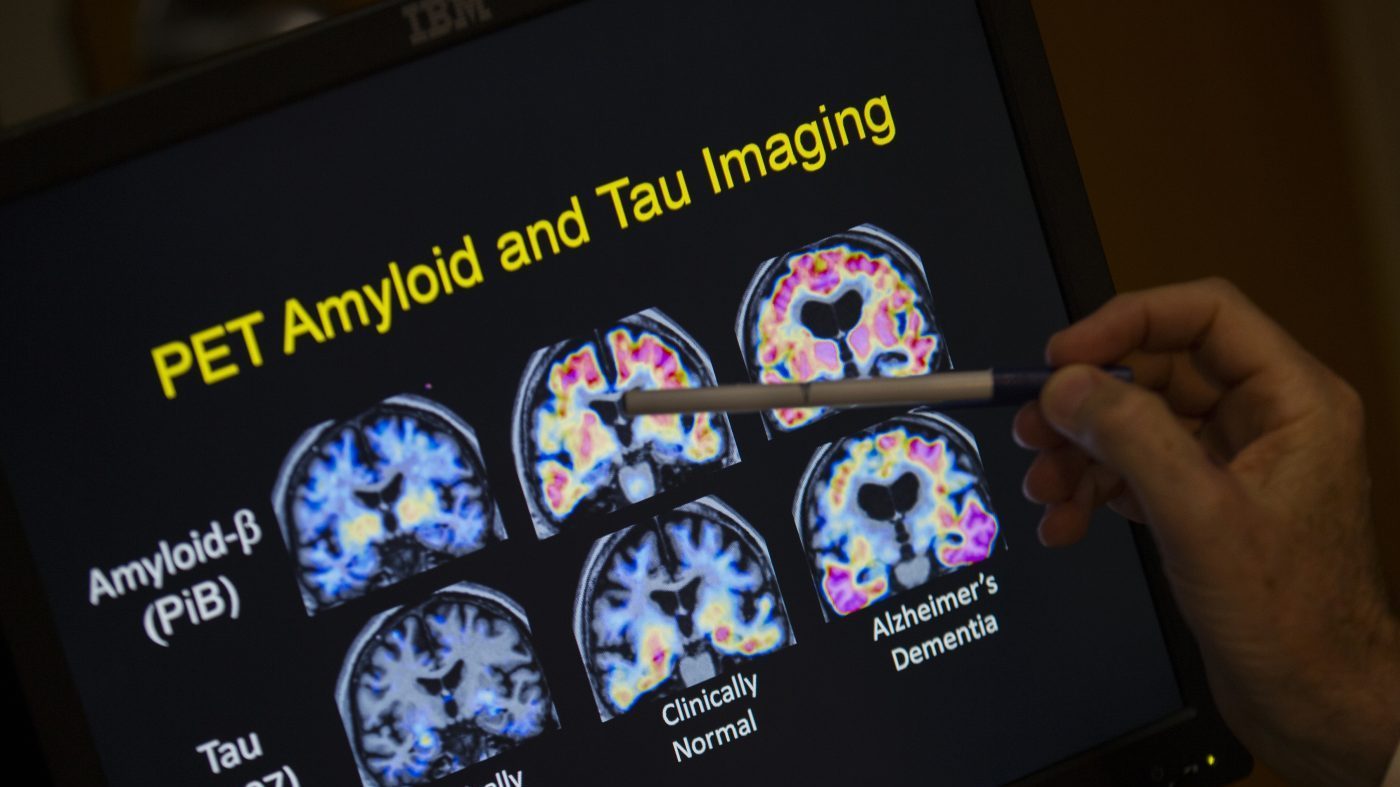
In a study published this week in the journal Molecular Therapy, the team tested CST in mice engineered to exhibit Alzheimer's-like symptoms. The results were striking: CST reduced the accumulation of both tau and amyloid proteins—two hallmarks of Alzheimer's—and also dampened brain inflammation. Treated mice showed improvements in cognitive function and motor coordination compared to controls.
This dual action is particularly significant because existing treatments for Alzheimer's typically target either amyloid or tau, but not both. “Our findings show that CST can act across several of these disease-associated pathways and shift the brain toward a healthier state,” said senior author Sushil K. Mahata. “More broadly, the study suggests that peptide-based therapies may offer a new approach to treating complex neurodegenerative diseases.”
The research also hints that CST might influence how the brain produces and uses energy, potentially making it more resilient to the ravages of neurodegeneration. That could open the door to preventative strategies, not just reactive treatments.
However, the leap from mouse models to human patients is a long one. The study's authors caution that much more work is needed to establish CST's safety, optimal dosing, and real-world effectiveness in people. Clinical trials would be the next step, but those are years away.
This development comes amid broader debates over healthcare policy and research funding. For instance, lawmakers have raised concerns about political influence over NIH grants, which could affect the pace of such research. Meanwhile, the push for innovative treatments is a priority for many in Washington, as Alzheimer's imposes a heavy toll on families and the healthcare system.
While the findings are encouraging, experts urge caution. “We're not there yet,” said Dr. Maria Rodriguez, a neurologist not involved in the study. “But any new avenue that addresses multiple disease mechanisms is worth pursuing.”
For now, the UC San Diego team plans to continue investigating CST's potential, including its effects on brain metabolism and its viability as a therapeutic agent. The hope is that one day, a simple peptide could offer real relief to millions suffering from Alzheimer's and other neurodegenerative conditions.