Tehran's paramilitary Islamic Revolutionary Guard Corps (IRGC) has claimed responsibility for striking an oil tanker that attempted to traverse the Strait of Hormuz, a move that escalates the ongoing confrontation with the United States and its allies in the region. The IRGC, in a statement carried by Iranian state media, said it targeted the Togo-flagged vessel Trend after it tried to navigate the waterway without authorization.
According to the IRGC's account, the tanker "came to a halt after catching fire." The incident was reported by the United Kingdom Maritime Trade Operations (UKMTO) Centre, which monitors security on key shipping routes, as a "security incident" approximately 16 nautical miles from Khasab, Oman. The UKMTO confirmed that the crew was safe and there was no immediate indication of environmental damage, though it has not yet confirmed whether this incident is directly linked to Iran's claim.

The reported strike is part of a broader pattern of attacks on commercial shipping in the region. In recent days, the UKMTO has logged multiple incidents involving tankers being hit by unknown projectiles, with crews reported safe in each case. These attacks have occurred against the backdrop of a near-total closure of the Strait of Hormuz, a critical chokepoint that normally carries about a fifth of the world's daily oil consumption.
The closure has sent energy prices soaring in the United States, adding political pressure on President Donald Trump and Republican lawmakers as they head into the midterm elections. Speaking at a rally in North Carolina on Wednesday, Trump dismissed concerns about higher gas prices, calling them a "very inexpensive price to pay" for the military campaign against Iran. On Thursday, he told Axios that he is weighing "a big decision" about the future of the conflict, which has now stretched beyond six months. "Do I want to go in and annihilate them [the Iranian regime] or do I not? It's a big decision," he said. "Anything could happen with me."
The latest tanker strike comes amid escalating tensions in the Strait of Hormuz, where skirmishes have become routine. Earlier this week, an Iranian cargo ship was hit, resulting in a fatality, and separate attacks have targeted vessels linked to the US and its allies. The IRGC has previously claimed strikes on US vessels, and analysts warn that the situation could spiral further.
The strategic waterway's closure has also prompted questions about the long-term viability of the oil route. Treasury Secretary Scott Bessent recently suggested that the Hormuz route could become obsolete within two years, a view that some energy experts dispute. However, for now, the immediate concern is the safety of commercial shipping and the stability of global energy markets.
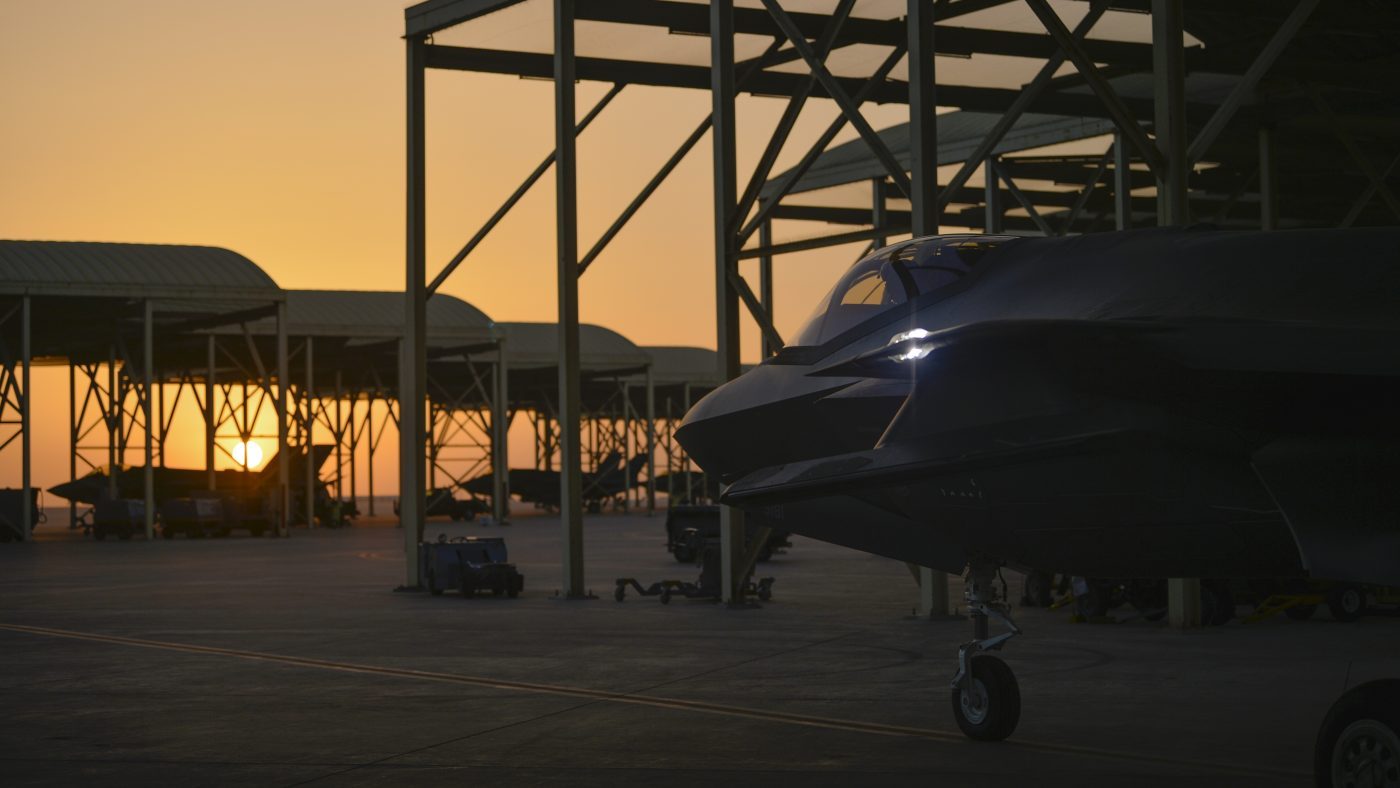
The US military has increased its presence in the region, but oil flow questions persist despite the show of force. The administration has vowed more strikes against Iranian targets, but the conflict shows no signs of resolution, with both sides trading blows and rhetoric.
As the situation develops, the international community watches closely. The UKMTO continues to advise vessels to exercise caution, and shipping insurers are likely to hike premiums further. The human cost is also mounting, with a fatal strike on a tanker leaving Hormuz earlier this month underscoring the dangers.
The political ramifications in Washington are significant. With midterms approaching, Republicans are vulnerable to voter anger over fuel prices. Trump's comments, while defiant, may not fully shield his party from the economic fallout. Meanwhile, Iran shows no sign of backing down, and the risk of a broader conflagration remains high.