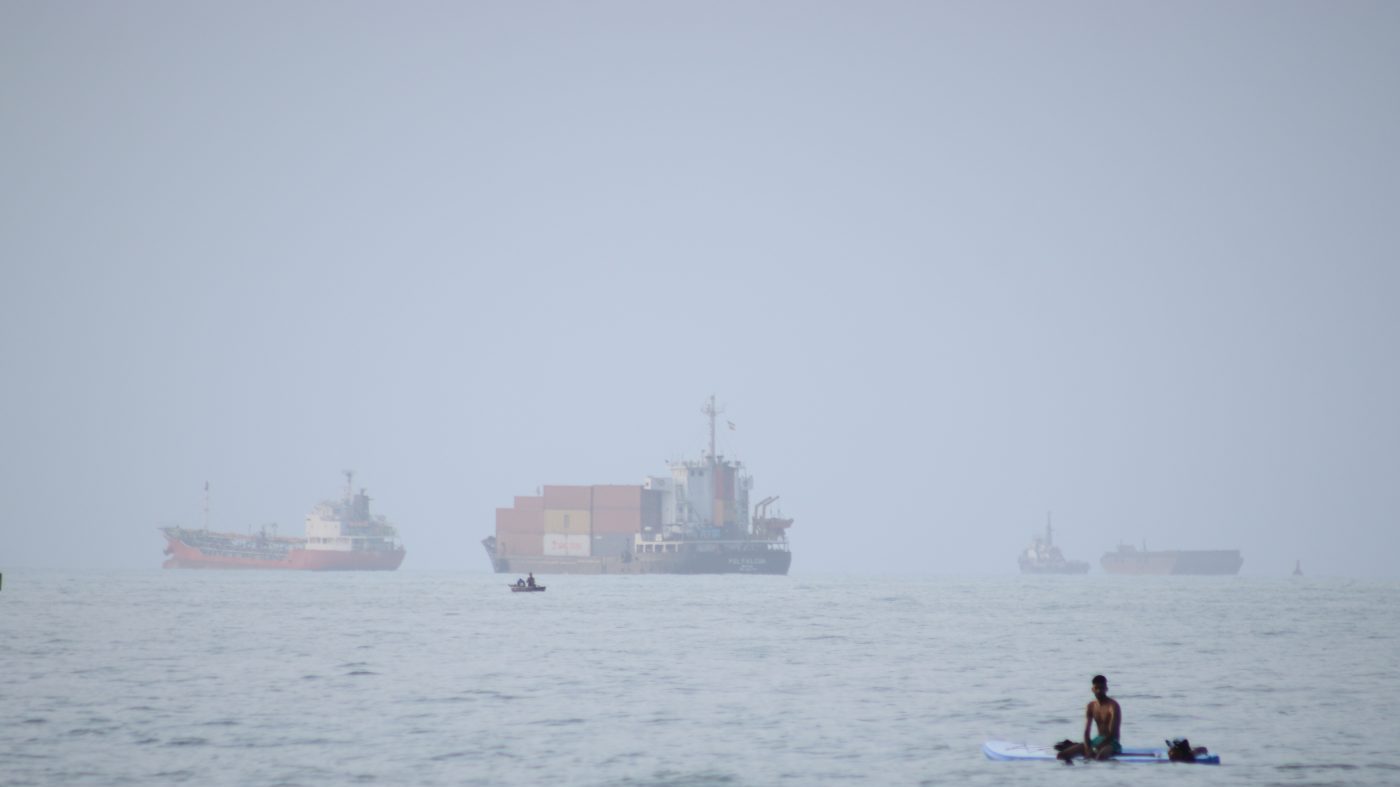
The United Kingdom Maritime Trade Operations Centre (UKMTO) reported on Tuesday that a vessel attempting to leave the Strait of Hormuz was struck by an unknown projectile, causing significant damage to its engine room and resulting in the death of a crew member. The attack underscores the escalating risks in a waterway that carries roughly one-fifth of the world's fuel supply.
Attack Details and Immediate Aftermath
The UKMTO said it received a distress call from the ship as it was departing the strait, a critical chokepoint for global oil shipments. The projectile hit the engine room, disabling the vessel and leading to the fatality. No group has claimed responsibility, but the incident is the latest in a series of confrontations that have marked the nearly six-month-old Iran conflict.
The attack comes as the previous 14-point memorandum of understanding between the U.S. and Iran expired on Monday, with both sides accusing each other of violating the ceasefire terms. The collapse of that agreement has thrown the region into renewed uncertainty, with Tehran continuing to restrict access to the strait and Washington maintaining a naval blockade.
Diplomatic Efforts and Threats
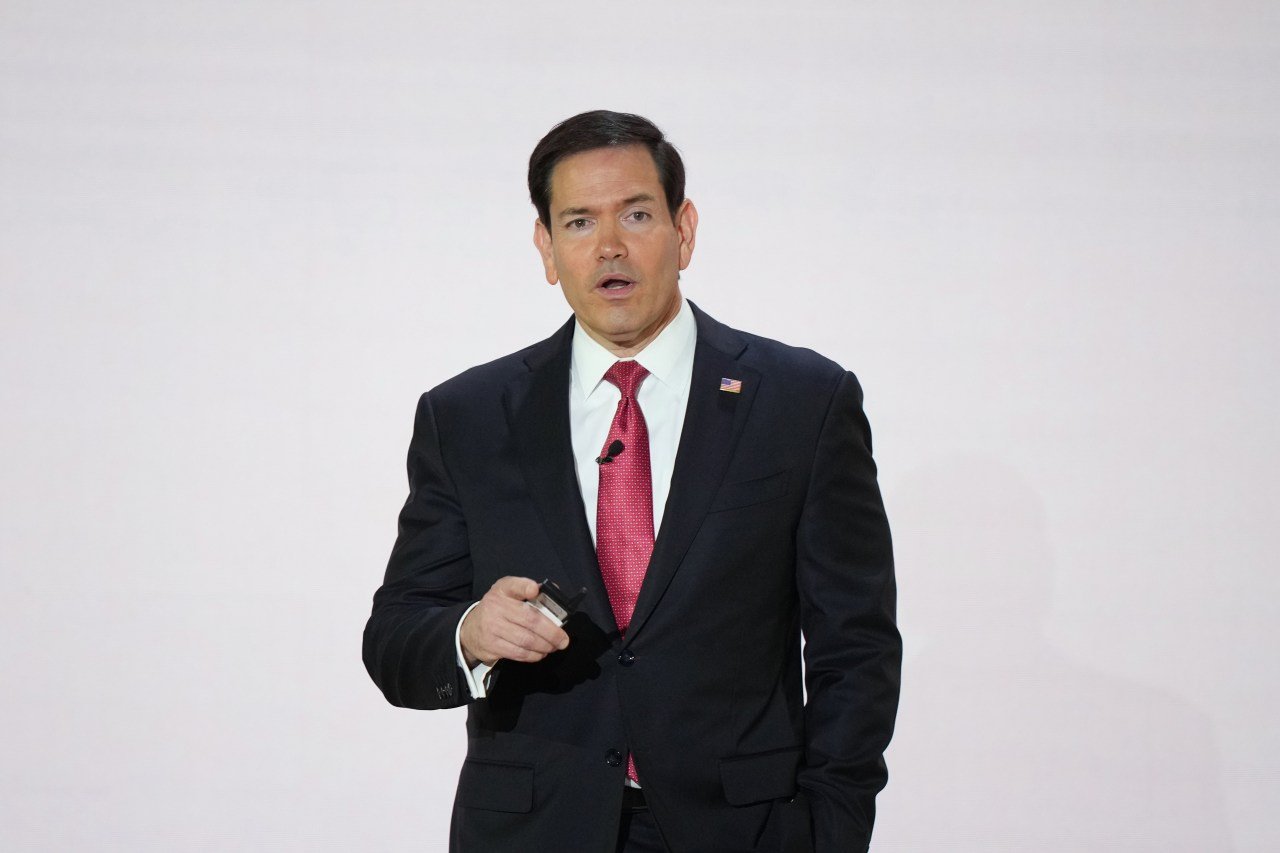
President Trump has warned Omani officials not to interfere with U.S.-Iran negotiations. In an interview with Fox News's Trey Yingst, Trump said, "If Oman gets in the way, we'll bomb the s--- out of them." The blunt threat highlights the fragility of regional diplomacy as both sides dig in.
Iran's Foreign Ministry spokesperson Esmail Baghaei said Monday that Tehran and Muscat had reached "an understanding" on a "map of the transit route" through the strait. However, Iran has also presented a list of demands to Washington, including compensation and the removal of the naval blockade. Trump countered with his own demands for reparations and floated the idea of making the Strait of Hormuz a U.S. territory—a proposal Tehran has dismissed.
Economic and Political Ramifications
The prolonged closure and instability in the strait have already had severe economic consequences. According to the International Energy Agency, 34 percent of the world's crude oil passed through the channel last year. With traffic now halved and gas prices at record highs for mid-August, the global economy is feeling the strain. The crisis has also weighed on U.S. domestic politics, with recent polling showing Americans increasingly negative about the Middle East conflict.
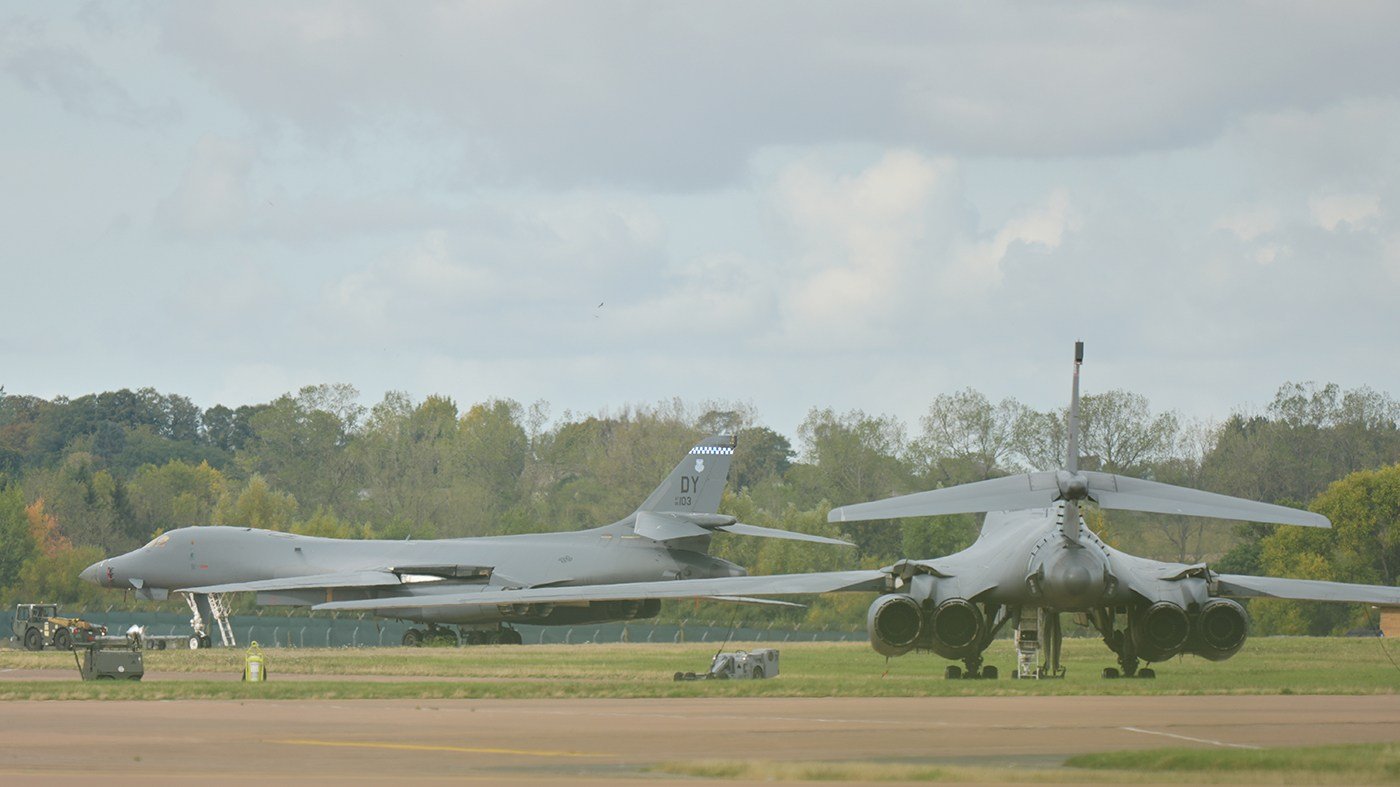
The attack on Tuesday is likely to further complicate efforts to broker a new deal. As Iran conditions any reopening on U.S. concessions, the window for a negotiated settlement appears to be narrowing. Meanwhile, the U.S. Navy has been actively disabling ships that defy the blockade, raising the stakes for commercial vessels navigating the region.
Analysts warn that the combination of expired agreements, mutual accusations, and now a fatal attack could push the conflict toward a dangerous escalation. With both sides seemingly unwilling to back down, the Strait of Hormuz remains a flashpoint with global repercussions.