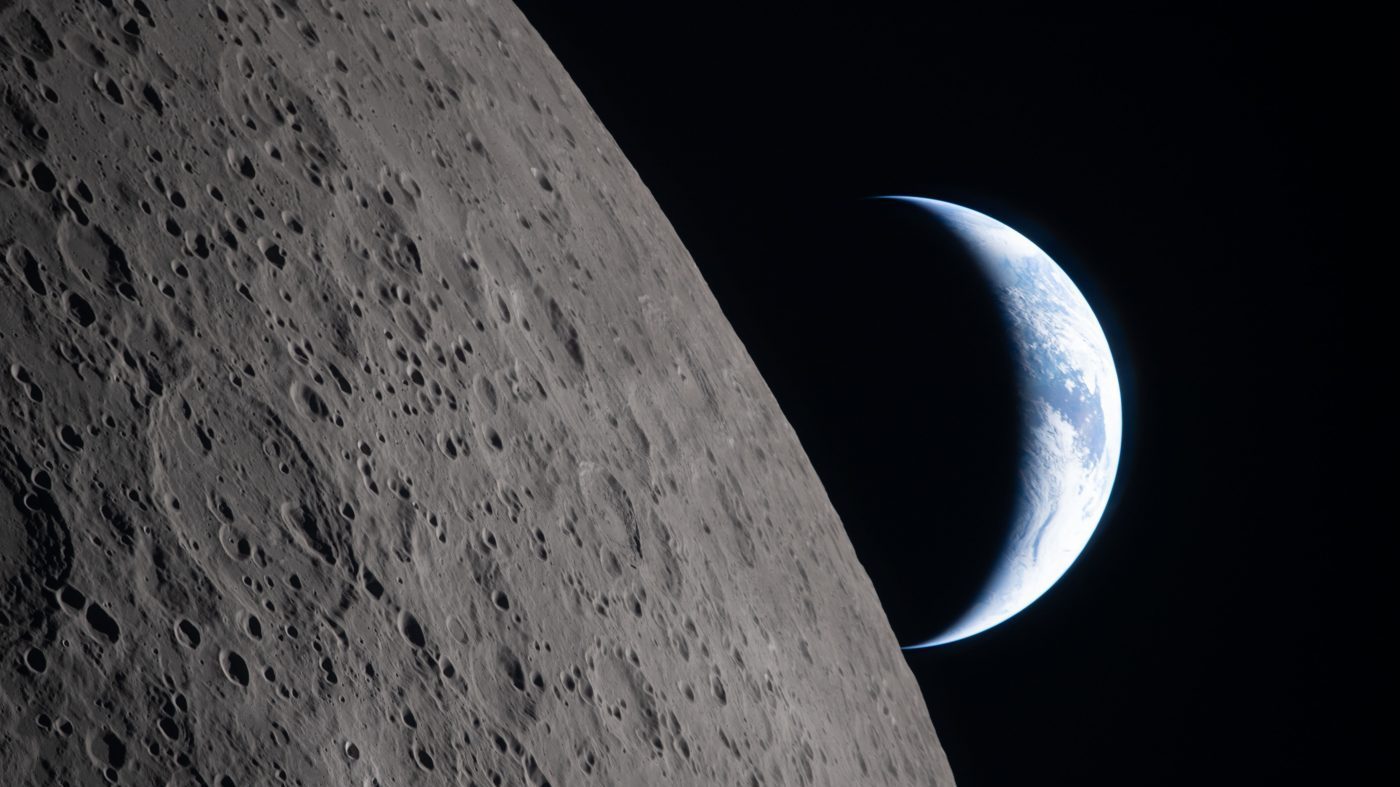
At NASA's Johnson Space Center in Houston, a 16-person unit known as the Dexterous Robotics Team is engineering a new generation of machines intended to accompany astronauts on upcoming lunar expeditions. These robots are designed not merely to perform repetitive chores but to function as a hands-on support crew for human explorers on the moon.
"It's really about the human elements — either working in environments designed for humans or working alongside humans. That's our niche," said Shaun Azimi, who leads the team. "We're uniquely positioned to bring in folks who are designing the human environments."

The team's portfolio includes Robonaut 2, a humanoid that logged seven years aboard the International Space Station, and Valkyrie, NASA's first bipedal humanoid. Those efforts provided critical experience in electronics, mechanics, mobility, and dexterity. The group's work fits into broader discussions about humanoid robots reviving US manufacturing, though NASA's focus remains on space exploration.
Beyond the moon, the technology has implications for future crewed missions to Mars. Before humans set foot on the Red Planet, the Dexterous Robotics Team will collaborate with other agencies to give the public a say in technology ideas for crewed exploration.
The humanoids will operate alongside astronauts as assistants, aiming to "enhance a crew's performance and productivity while reducing risk and expanding the capabilities for space exploration," according to NASA. The agency emphasizes "a focus on robots that can complete tasks humans do with their hands."
Azimi stressed that the goal is not to supplant human explorers. "Our team is not trying to replace human explorers with robots but instead make human exploration safer and more sustainable by developing highly capable, reliable, and trustworthy robots to work in extreme environments," he said.
He added, "If we can send more capable robots, we can reduce the risk and make people more effective in doing the things that people do best."
As commercial spaceflight expands, the integration of robots into human crews raises operational and safety questions. Recent moves by airlines to ban humanoid and animal-like robots over battery fire risks illustrate the regulatory challenges that can arise when robots enter human-centric environments. NASA's lunar robots will need to meet similarly rigorous safety standards.
Meanwhile, the broader policy landscape for robotics is shifting. The Trump administration has taken an interest in AI air traffic tools with humans in control, signaling that federal agencies are grappling with how to integrate autonomous systems while preserving human oversight. NASA's approach mirrors that balance, with robots designed to augment rather than replace astronauts.
The Dexterous Robotics Team's work is still in development, but its trajectory suggests that when humans return to the moon, they may not be alone. Instead, they could be joined by a new class of robotic helpers built to make exploration safer, more efficient, and more sustainable.