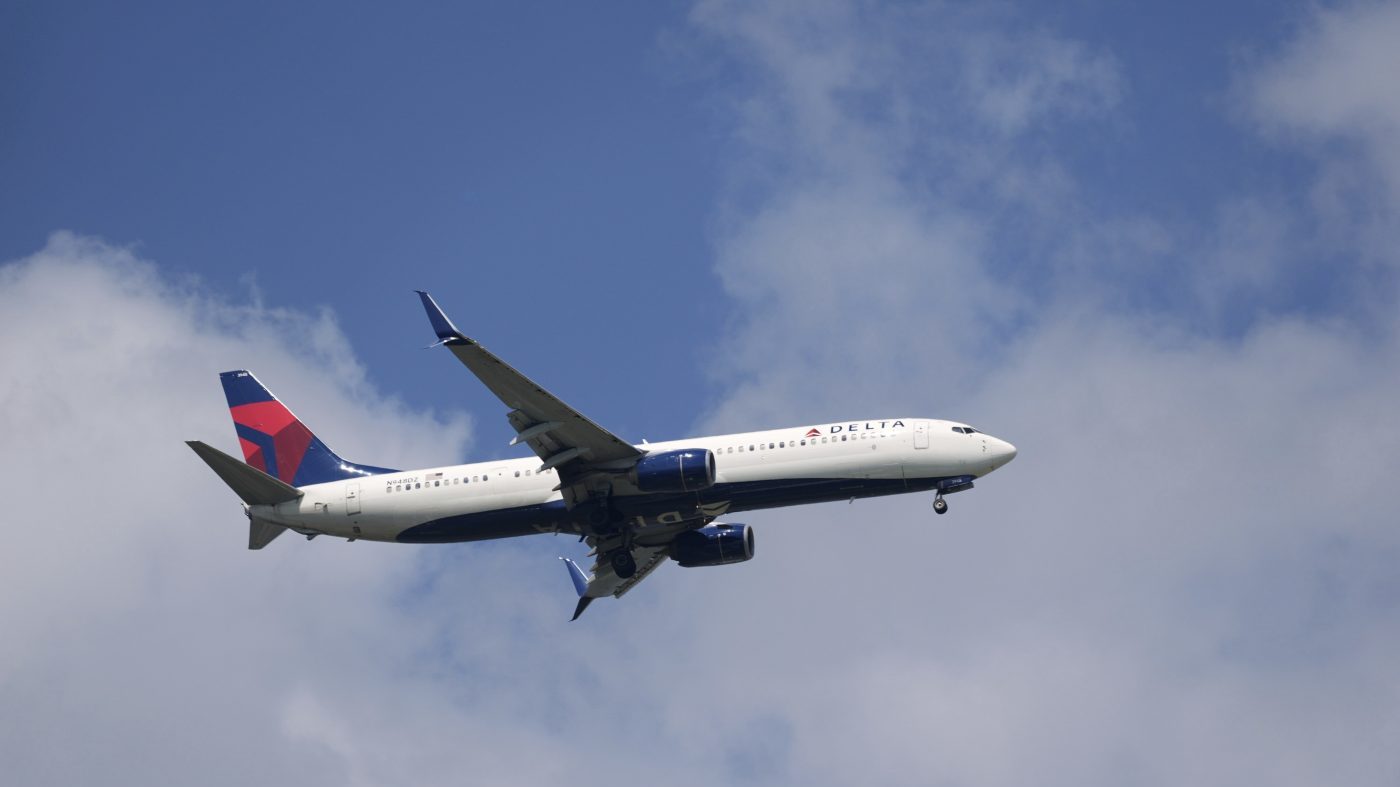
Delta Air Lines and United Airlines have implemented new policies banning humanoid and animal-like robots from traveling in passenger cabins or as checked luggage, citing safety risks tied to lithium batteries. The carriers join Southwest Airlines, which issued a similar restriction earlier this year after a passenger boarded with a robot companion.
The bans come amid growing debate over the future of humanoid robots, which tech proponents argue will eventually become commonplace. However, airlines are taking a cautious approach, focusing on the fire hazards posed by the heavy lithium-ion batteries that power these machines. Such batteries are already restricted on flights due to their potential to overheat and ignite.
Federal regulations already limit the size and number of lithium-battery-powered devices or spare batteries that passengers can carry. The new policies extend those concerns to robots, which often contain large, high-capacity batteries that could pose a significant threat if damaged or mishandled. The risk is particularly acute in the confined environment of an aircraft cabin or cargo hold, where a fire could be catastrophic.
Beyond battery dangers, humanoid robots present additional challenges for safety procedures. In an emergency evacuation, a robot in the passenger area could obstruct exits or confuse passengers, delaying evacuation. Similarly, in the cargo hold, robots may require special handling to prevent shifting or damage that could trigger battery failures.
The industry’s proactive stance reflects a broader wariness of emerging technologies that could disrupt aviation safety. While humanoid robots remain rare, airlines are preparing for a future where such devices might become more common. The bans also align with existing policies on other lithium-battery-powered devices, such as hoverboards and certain e-cigarettes, which have been restricted after fires onboard.
Southwest’s earlier ban set a precedent after a passenger brought a robot companion onto a flight, prompting the carrier to update its rules. Delta and United’s moves signal that major U.S. airlines are coordinating on safety standards for this new category of devices. The policies apply to both passenger and cargo operations, covering robots that mimic human or animal forms.
For now, travelers with such robots will need to find alternative arrangements, as the bans leave no room for exceptions. The airlines emphasize that safety is the priority, and they will continue to monitor technological developments. As the debate over humanoid robots’ role in society evolves, the aviation industry is drawing a clear line in the sky.