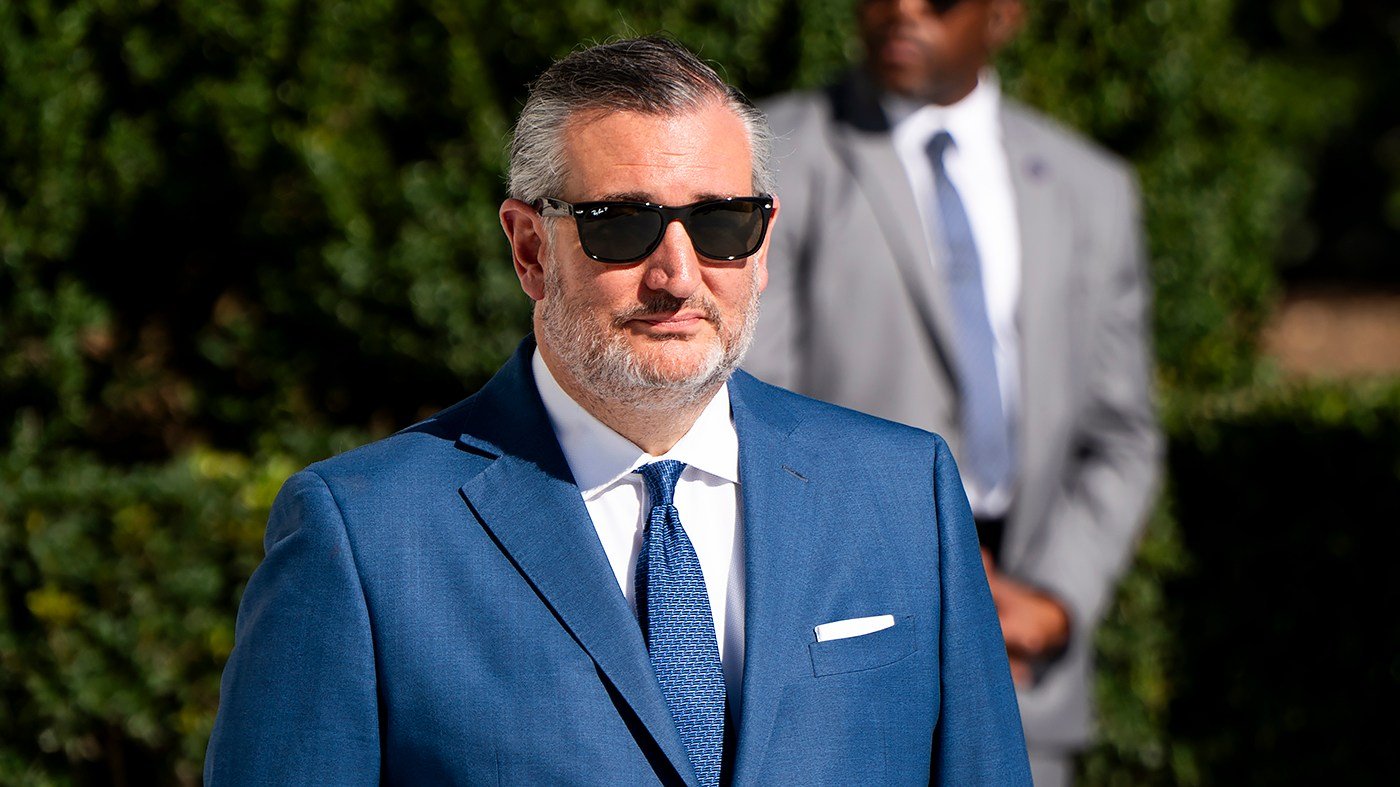
In a stark admission of the Republican Party's electoral collapse, Sen. Ted Cruz (R-TX) described the 2026 midterm results as a "blue tsunami" that delivered a crushing blow to the GOP, particularly in his home state of Texas.
Speaking on his podcast, Verdict with Ted Cruz, the senator did not mince words: "2026 was not simply a blue wave. It was a blue tsunami. It was an a-- kicking." His comments came as Democrats secured control of both chambers of Congress and flipped a series of statewide races in traditionally red strongholds.

The Democratic surge was felt most acutely in Texas, where the party swept every statewide contest. State Rep. Gina Hinojosa defeated three-term GOP Gov. Greg Abbott, becoming the state's first Latina governor and breaking a Republican gubernatorial streak that had held since Ann Richards left office in 1995. In the Senate race, Democrat James Talarico unseated Attorney General Ken Paxton, marking the first Democratic Senate victory in Texas in decades.
Cruz, who had warned of the coming storm, said the scale of the defeat was unprecedented. "Nowhere are the consequences of this election greater than Texas," he said. "In the Lone Star State, we lost every single statewide election." He added that his public warnings about the party's vulnerability were largely dismissed: "For weeks I had been publicly warning ... that we were in very real danger of losing everything in Texas. Far too few believed that was possible."
The senator pointed to economic anxiety as a primary driver of the Republican rout. "Food is too high. Gas is too high. Diesel is too high. Insurance is too high. Life is too high," he said, blaming tariffs for driving up costs and criticizing the prolonged Iran war as a drain on public patience.
Cruz urged his party to recalibrate its message, emphasizing the need to "listen and respond" to voters and to "champion economic policies that make a real difference in working people's lives." His remarks echo the broader Democrats' narrative that their victories were earned, not merely handed to them by Republican failures.
In a social media post, Cruz warned that the Democratic takeover would have dire consequences for Texas's business climate. "Their assault on business will make Texas a much less attractive place to start or grow a small business," he wrote. "Texas will become more like California if they succeed in halting all new investment into AI."
The GOP's collapse in Texas and other battlegrounds has sparked internal recriminations. Some strategists point to Trump's disconnect from political reality as a key factor, while others see the GOP's electoral coalition as fundamentally broken. As the party grapples with its losses, the question of how to rebuild—and whether to embrace or abandon the Trump agenda—remains unresolved.
With several Senate races still uncalled, including in Mississippi and Alaska, the full scope of the Democratic wave is still being tallied. But in Texas, the shift was unmistakable, and Cruz's blunt assessment underscores the depth of the Republican predicament.