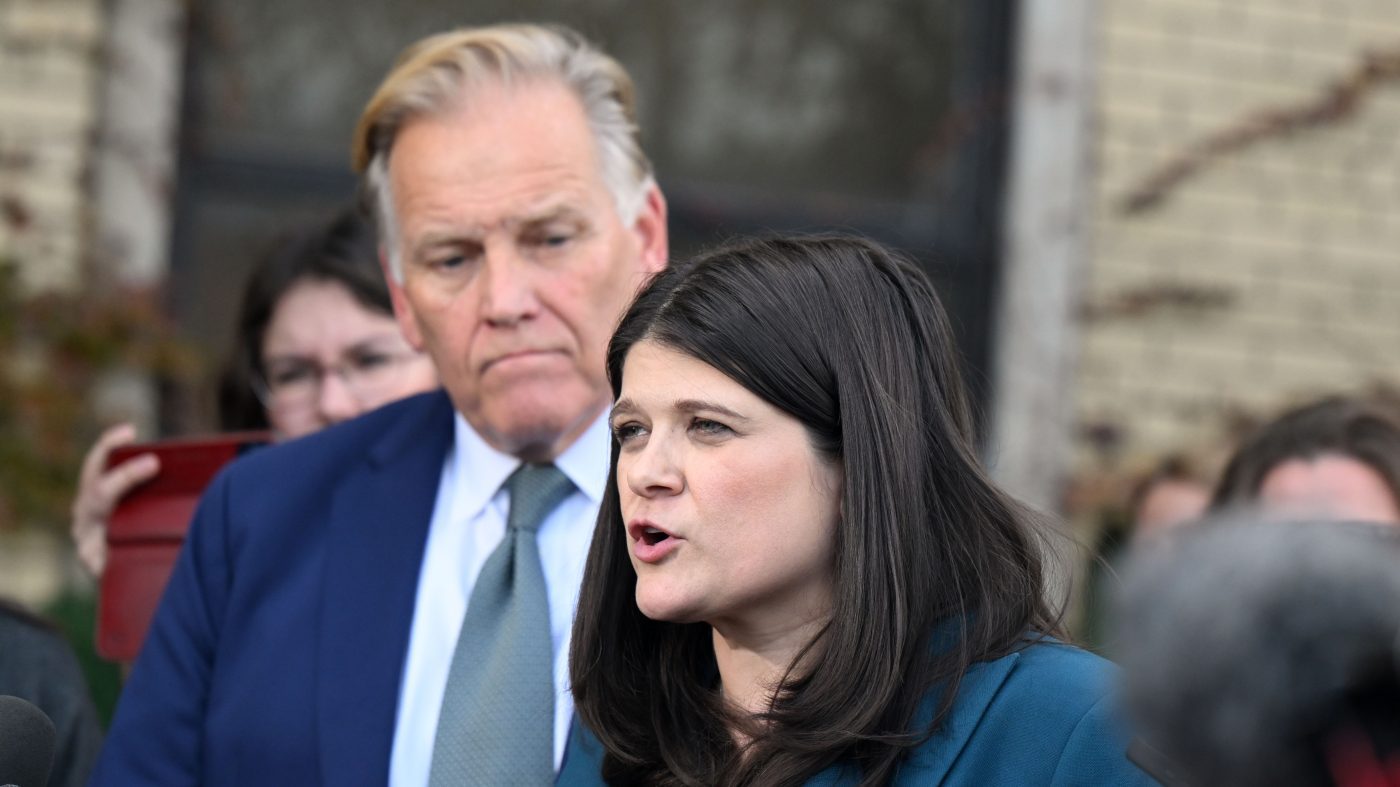
Rep. Haley Stevens (D-Mich.) on Wednesday doubled down on her controversial endorsement of Republican Mike Rogers in Michigan's Senate race, even as Democrat Abdul El-Sayed emerged victorious. Rogers lost by a margin of 52.52% to 45.48%, according to Decision Desk HQ, but Stevens made clear she does not measure her choices by electoral outcomes.
In a lengthy post on X, Stevens wrote that her beliefs were "never measured by who would win at the ballot box," and acknowledged that her decision has consequences. "All important decisions do," she added. "I don't regret it, but I am truly sorry that it upset some of my colleagues and people I care about personally."
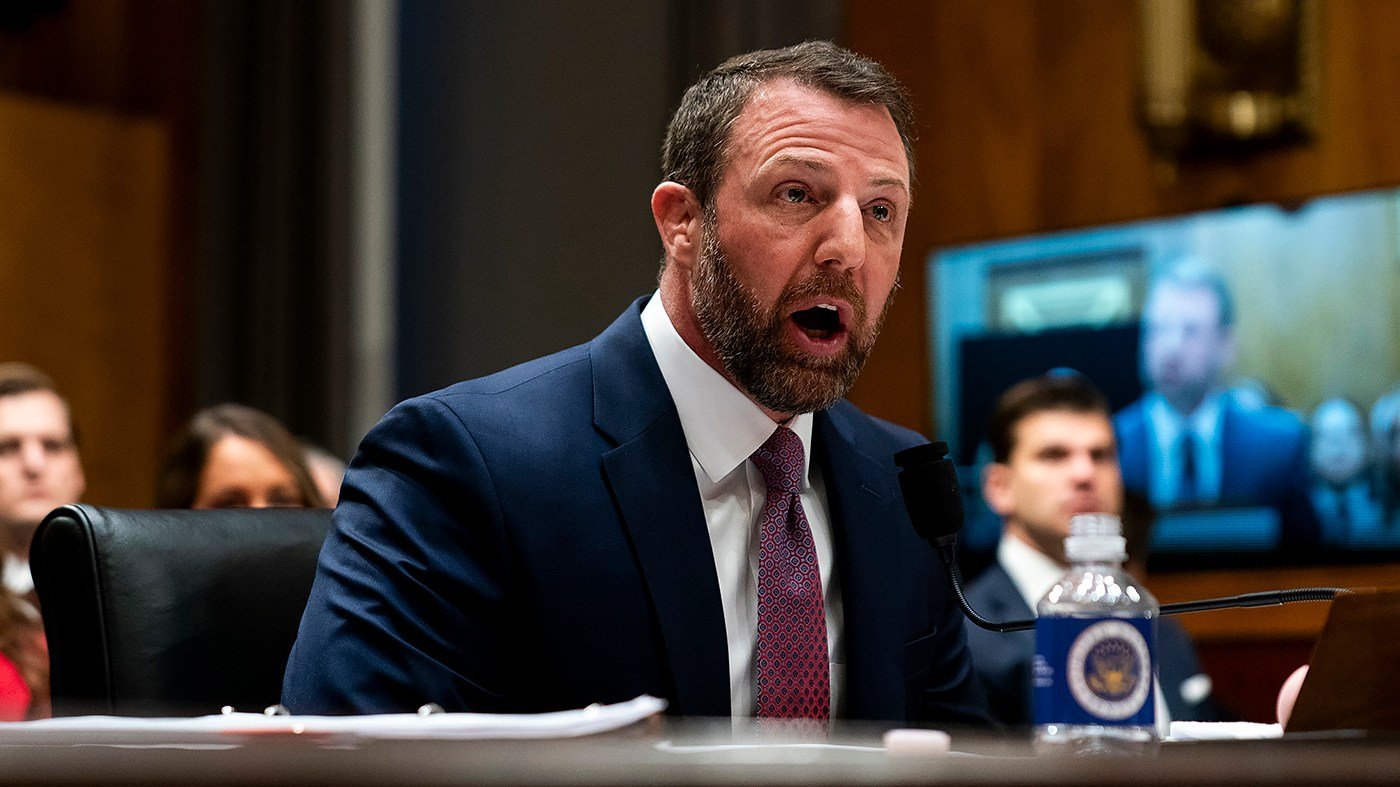
The congresswoman, who faced a bitter primary challenge from El-Sayed, pointed to her "unwavering" support for Israel as a key factor. She described backing a U.S. ally "that is imperfect and in need of some political reforms of its own." Stevens, co-chair of the House caucus on antisemitism, admitted that endorsing Rogers—who had aligned with left-wing streamer Hasan Piker and his "antisemitic bile"—was "always a tough fit." She explained, "I've been taught my whole political life that at the end of an election, you come together and support the winner, and I hoped I could help him moderate. Instead, he got worse."
Stevens expressed regret over the original endorsement, saying, "I regret my original endorsement, because I could have spared the country and my family from these past few days and from attempts to find a cause for an action that is consistent with a lifetime of my beliefs. The endorsement was the outlier act. Rescinding it was not." She noted that colleagues who know her best understood the difficulty, and she framed her choice as a "student of history" prioritizing "truth over political convenience."
The Michigan Democrat reaffirmed her commitment to her party, stating, "I was elected to do a job, and I am going to finish it. I was elected as a Democrat, and I still believe our party should be big enough for more than one viewpoint. I will keep fighting antisemitism wherever it shows up, in either party, for as long as I am in public life." She concluded by congratulating "everyone who won" and urged continued dialogue on "how we build tolerance from viewpoints and embrace one another, especially when we disagree."
The endorsement, made two days before the midterms, stunned Democratic colleagues and prompted several staff resignations. Stevens defended her decision in a tense CNN interview with Anderson Cooper, which Rep. Debbie Dingell (D-Mich.) called "one of the most painful interviews I've ever watched," and again on NewsNation, saying it was "absolutely" worth it. Her steadfast position comes as El-Sayed makes history as the first Muslim American elected to the U.S. Senate, a race that was closely watched for its broader implications. Stevens' insistence on supporting Rogers, despite the outcome, has drawn criticism from within her party, with some arguing her endorsement boosted El-Sayed's campaign and broke trust among constituents. As the political landscape shifts, Stevens' stance underscores the deep divisions over Israel and party loyalty in the current climate.