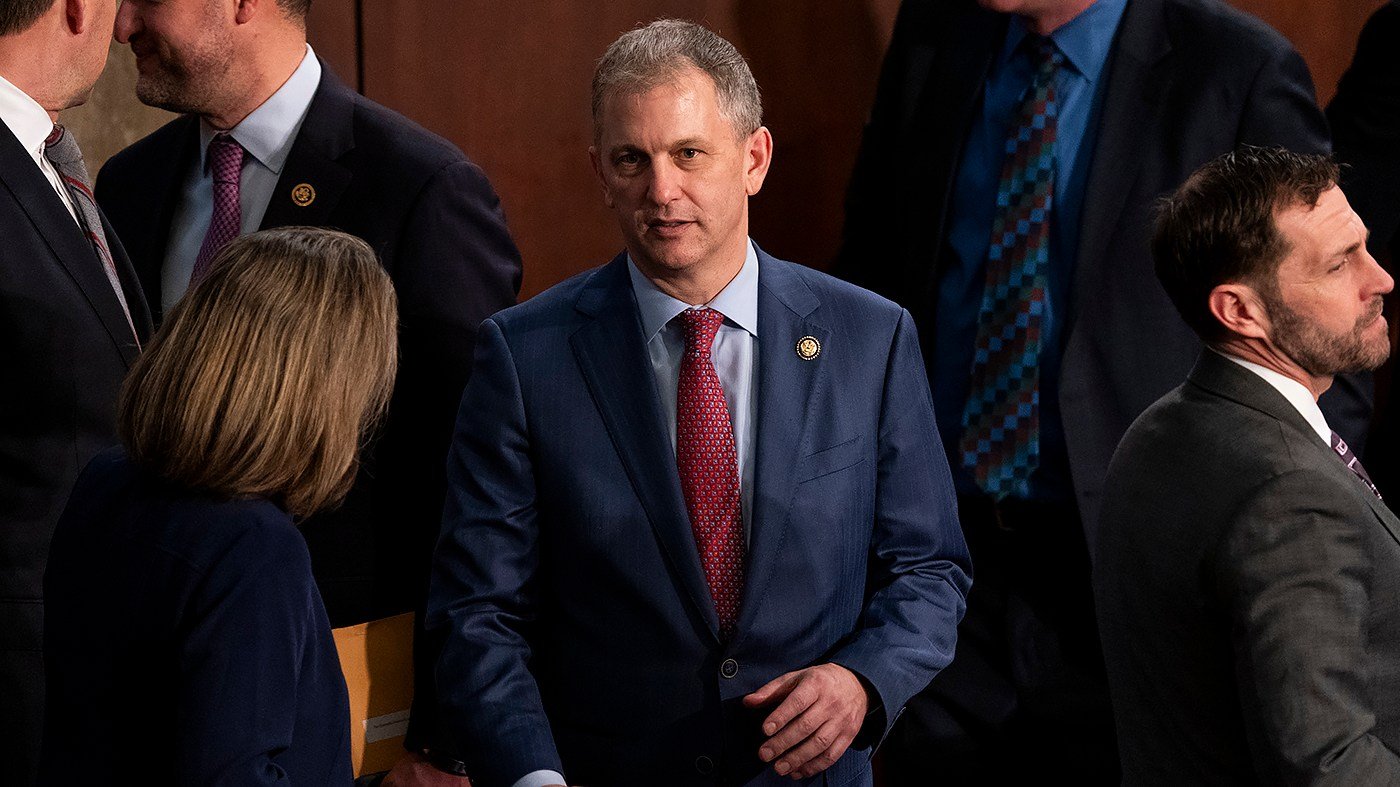
Rep. Sean Casten (D-Ill.) has formally entered the race to chair the House Financial Services Committee, setting up a direct challenge to the panel's longtime Democratic leader, Rep. Maxine Waters (D-Calif.). In a letter to Democratic colleagues on Thursday, Casten laid out his case for taking the gavel in the next Congress, arguing that the committee must confront a series of urgent crises with fresh energy and a break from the status quo.
Casten's move comes just days after Democrats swept both chambers in Tuesday's midterm elections, with the party projected to hold 251 House seats and 54 Senate seats, according to Decision Desk HQ. The race for the Financial Services chair is one of several leadership contests now unfolding as lawmakers position themselves for the new majority.
“Now, the work begins to restore our democracy, our rule of law, and trust in American capital markets,” Casten wrote. “This demands active, real change. The American people have made clear that the status quo is not sufficient.” The Illinois Democrat, who has served on the committee since 2019, pointed to specific policy priorities including housing affordability, economic fraud, and concerns about the president's approach to white-collar crime, pardons, and insider trading.
Waters, 88, has led Democrats on the panel since 2013 and served as chair when the party last held the House from 2019 to 2023. She has been a prominent progressive voice on financial regulation, but Casten's challenge signals a desire among some Democrats for a different direction. His letter emphasized his private-sector experience and policy expertise, saying he believes “my substantive policy expertise, private-sector experience, and commitment to meaningful oversight will allow us to work as a team to deliver for the American people.”
The Financial Services Committee sits at the center of multiple urgent crises, Casten said, citing the inaccessibility of homeownership, the prevalence of scams and fraud in the economy, and the need for robust oversight of the executive branch. He argued that the committee must play a central role in addressing these issues head-on.
The leadership contest is part of a broader reshuffling across both parties. On the Republican side, several members are already vying for conference chair and whip positions, with new entrants challenging incumbents in those races. The GOP is also seeing a bid to unseat the current whip, reflecting the fluid dynamics of leadership elections in the aftermath of the midterms.
Casten's challenge to Waters is notable given Waters' seniority and stature within the Democratic caucus. But Casten's letter suggests he is positioning himself as a reform-minded candidate who can bring a fresh perspective to the committee's work. "The American people have entrusted us with a historic House Majority to tackle these crises," he added.
The committee's agenda in the new Congress is expected to include oversight of Wall Street, consumer protections, and the broader economy. Casten has been an outspoken advocate for climate risk disclosure and corporate accountability, and he is likely to emphasize those issues in his bid.
Waters has not yet announced whether she will seek another term as chair, but her allies note her long record of fighting for consumers and her leadership on issues ranging from the 2008 financial crisis to the GameStop trading frenzy. Still, Casten's formal challenge ensures that the contest will be a real debate over the committee's future direction.
With Democrats set to control both chambers, the outcome of this leadership race will help shape the party's legislative agenda on financial matters. Casten's bid is a clear signal that some Democrats are eager for a generational change at the top of one of the most powerful committees in Congress.