As Americans cast their ballots tomorrow, Republican candidates have struggled to articulate a message that resonates beyond unwavering fealty to former President Donald Trump. The party's closing arguments have been a mix of appeals to base loyalty, culture war provocations, and a reliance on Trump's rallies to energize turnout—yet these efforts have often fallen flat or backfired.
Sen. Roger Marshall (R-Kan.) offered a striking example of the party's messaging predicament. In a Bloomberg TV interview, he acknowledged rising bankruptcies and suicides but expressed hope that Trump could still lead the GOP to victory. "Bankruptcies are up, suicides are up but nonetheless [our hope is that President Trump]…can take us to victory here," he said. The comment, intended to rally supporters, instead underscored the party's difficulty in addressing real-world pain.
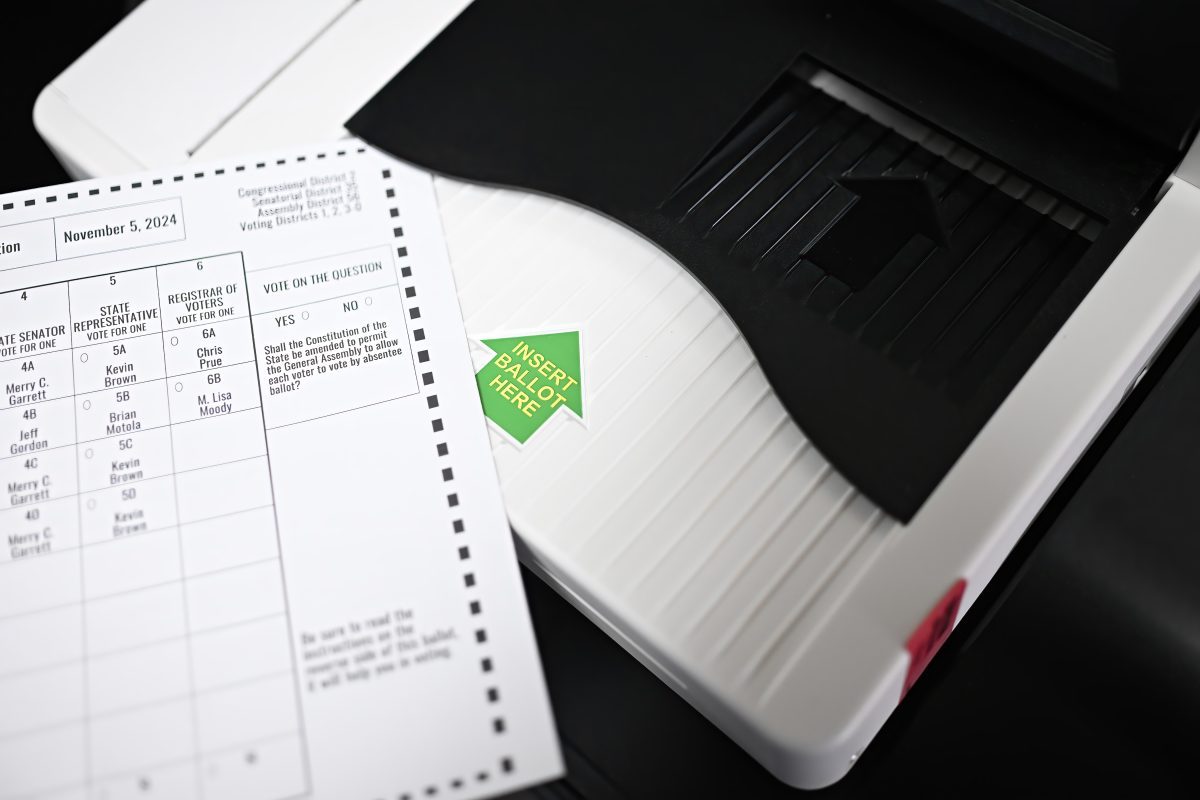
Marshall is not alone. Across the country, Republican candidates have essentially told voters who supported Trump in 2024 to close their eyes, hold their noses, and stick with the party's congressional slate despite unfavorable outcomes. But that message faces a high bar. An NPR/PBS Marist poll shows 44 percent of registered voters plan to vote primarily out of opposition to Trump, citing concerns about corruption, high prices at the pump and grocery stores, and fears of another "never-ending" Middle East war.
The GOP's challenge is compounded by the president's own baggage. With Trump's business ventures drawing scrutiny—including lucrative cryptocurrency deals and a son's wedding reportedly funded by a Russian oligarch—Republican candidates have little room to attack Democratic corruption. They have largely averted their eyes from these controversies, choosing instead to echo Trump's policies on the economy and foreign affairs, a strategy born of fear of primary challenges from Trump-endorsed rivals.
In the general election, however, every Republican candidate carries the weight of a president with deep negative approval ratings on corruption, the economy, inflation, and the war. As a result, the party's best hope has been to divert attention from Trump, lashing Democrats as radicals, extremists, and elitists lacking in Christian faith, patriotism, and family values. That approach got a boost from riots in France, which GOP candidates used to stoke fears of unrest at home if Democrats win Congress.
Culture war messaging has also been a staple. In Iowa, a Republican ad accused a Democratic opponent of being "just plain dangerous to kids" by supporting transgender athletes' access to locker rooms. The spot backfired when it emerged that the narrator had a 2017 guilty plea for child endangerment while driving intoxicated.
On economic concerns, Republicans have offered little more than expressions of "strong concern." Sen. Susan Collins (R-Maine), in her reelection bid, touted her role in limiting Trump's tariffs on Canadian road salt—a claim that drew a sharp retort from her Democratic opponent, Troy Jackson, who noted that Mainers "can't eat road salt" amid high food prices.
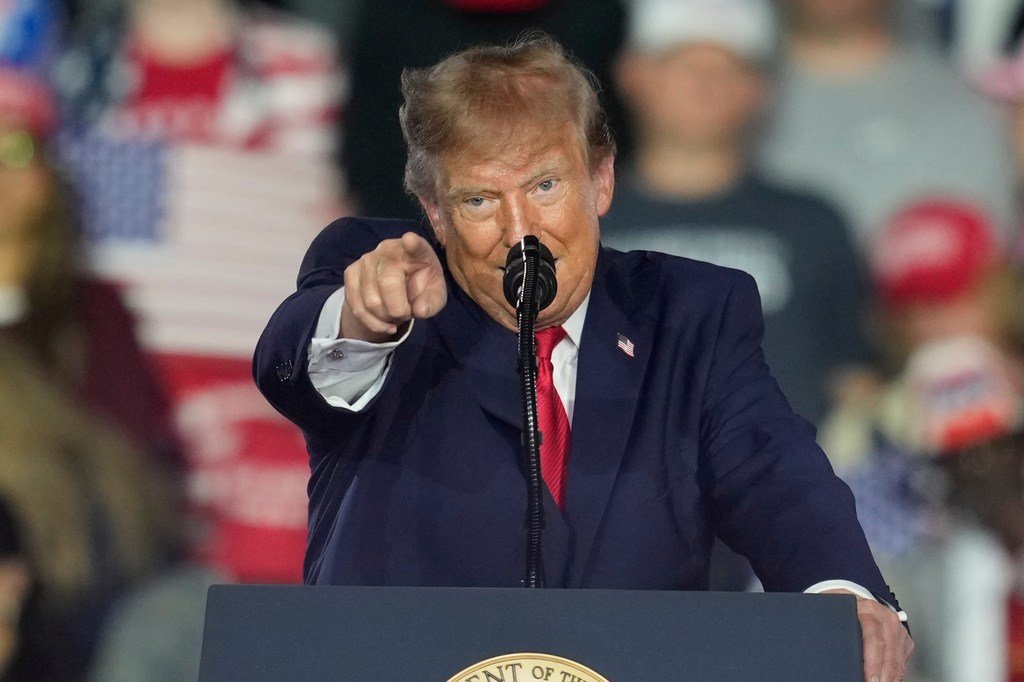
As a last resort, many GOP candidates have pinned hopes on Trump's rallies. The former president has promised to send $5,000 to every voter if the GOP retains control of Congress—a proposal that many legal experts say could violate federal bribery laws and which failed to gain traction. At a recent rally, Trump joked that $5,000 wouldn't even cover a hamburger at his Mar-a-Lago club, a quip that offered little comfort to struggling Kansas farmers.
Democrats have seized on these missteps. Former President Obama, stumping for Michigan Senate candidate Abdul El Sayed, mocked Trump's gold-plated White House décor as looking like "Saddam Hussein opened a Cheesecake Factory." MAGA spinmeisters tried to turn the remark into a culture war attack on working-class diners, but Obama noted that Trump didn't object to being compared to an Iraqi dictator.
Even friendly voices have turned skeptical. Podcaster Joe Rogan, once favorable to Trump, said, "What Trump stood for, some of it turned out to not be real. Like one of [Trump's 2024 promises] was the no wars. Well, look, we're at war with Iran. So that wasn't real."
Political analyst Charlie Cook sees the election not as a "blue wave" but as the result of a "red undertow"—Republicans never found an effective message, leaving Democrats poised for victory. For a party that once dominated midterm messaging, the 2026 cycle has become a lesson in the limits of blind loyalty.