With the midterm elections looming, a robust turnout among Democratic and independent voters could deliver control of both the House and Senate to the party, opening the door to a legislative agenda aimed at reversing the damage of the past two years under unified Republican rule and President Trump's unchecked executive power.
Voters have ample reasons to reject the status quo. The administration's cruelty and corruption, combined with Trump's apparent indifference to the economic pain caused by his policies—rising costs for gas, groceries, housing, and healthcare—are likely to drive many to the polls.

Beyond opposition, there is a positive case for Democratic governance. A key priority is restoring accountability and the rule of law. Republican congressional leaders have consistently shielded the president from oversight, refusing to investigate his administration's actions. A Democratic majority would change that, initiating serious inquiries into the president's conduct and his team's activities.
Consider the Republican leadership's efforts to suppress the Epstein files and protect Trump from scrutiny. In contrast, House Judiciary Committee Democrats have released a 50-page report detailing additional allegations of sexual assault and cover-ups, highlighting the administration's attempts to hide connections and impede future investigations.
The financial corruption and self-dealing by Trump and his family are glaring and demand congressional investigation and criminal referrals. Similarly, the abuses by Immigration and Customs Enforcement (ICE) and other Homeland Security agencies—including hundreds of unlawful detentions of American citizens and dozens of deaths in custody—underscore the need for oversight, especially given the nearly unlimited budgets Republicans have provided.
A Democratic Senate could also slow the confirmation of unqualified, ideologically driven judicial nominees, preventing lifetime appointments that would undermine civil rights and the rule of law. This would allow for reforms to ensure courts serve all Americans, not just the wealthy and connected. Moreover, Democratic majorities could begin repairing the damage done to public health, scientific research, and other common-good infrastructure by the Trump administration, Elon Musk's DOGE, and the Project 2025 agenda.
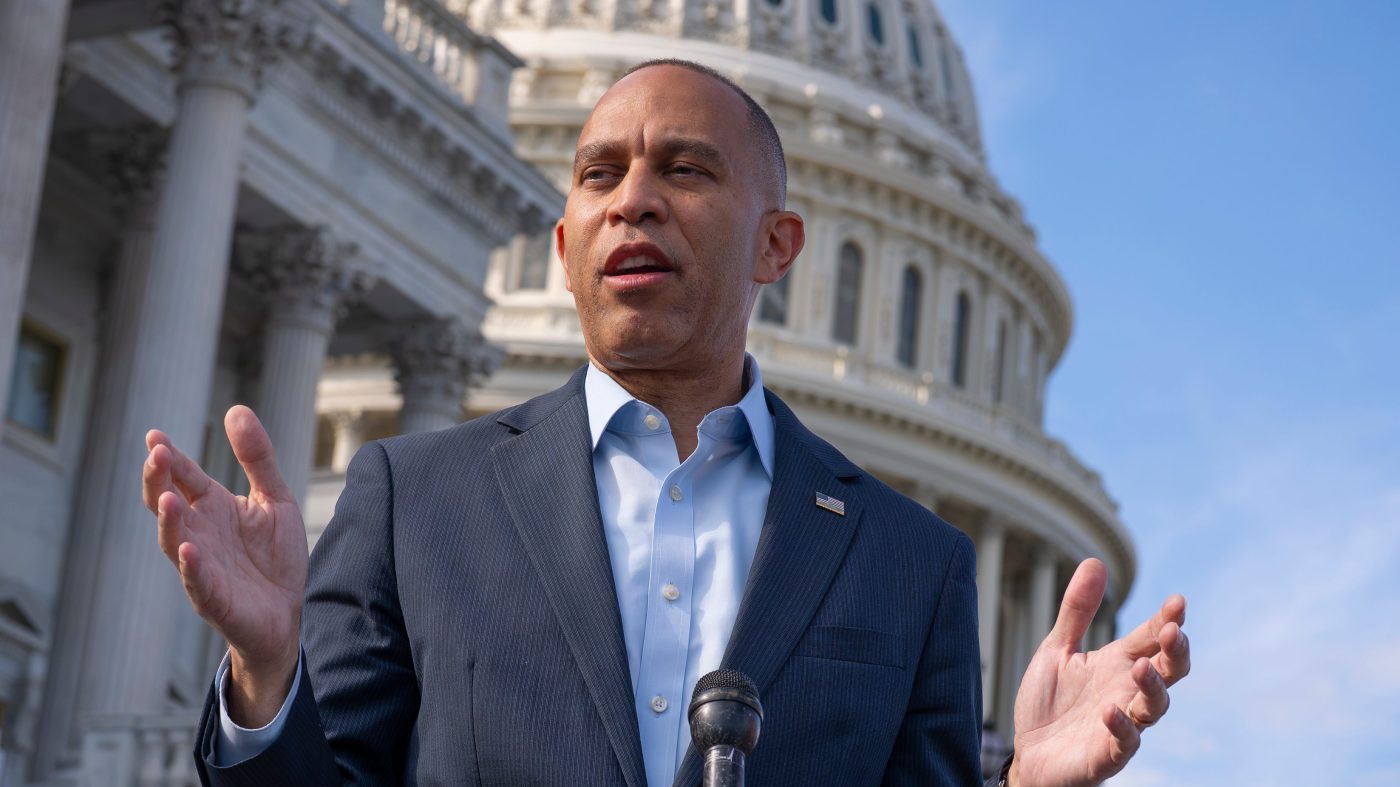
House Minority Leader Hakeem Jeffries (D-N.Y.), the likely next Speaker, has reportedly outlined a legislative agenda. It includes restoring Affordable Care Act subsidies that Republicans eliminated, reversing nearly $1 trillion in Medicaid cuts, and reasserting Congress's constitutional authority over tariffs to curb Trump's economic disruptions. Some of these measures might attract bipartisan support, but current Speaker Mike Johnson (R-La.) has proven unwilling to challenge the White House, even sending House members home to avoid votes that could embarrass the president. That kind of subservience is not what Americans deserve, and the coming elections may end it.
There are caveats: polls can be wrong, and unprecedented right-wing dark money may distort outcomes. The White House might attempt illegal schemes to interfere with the elections. Yet early voting enthusiasm suggests a pivotal shift toward a government that prioritizes the people's interests over a corrupt ruling family's whims. A big, beautiful blue wave could bring substantial change.