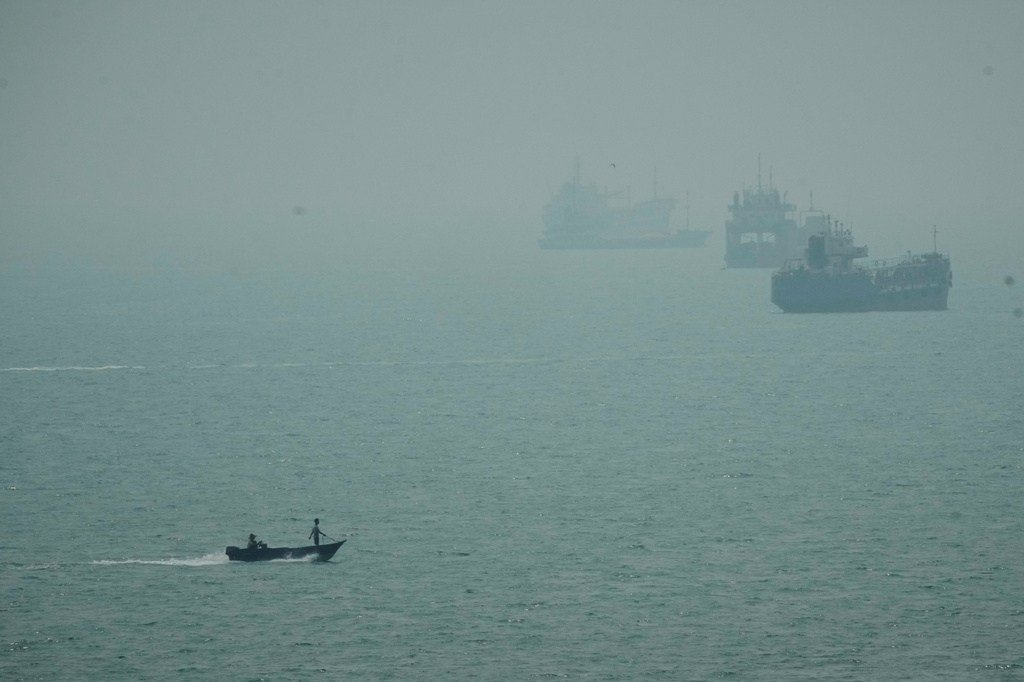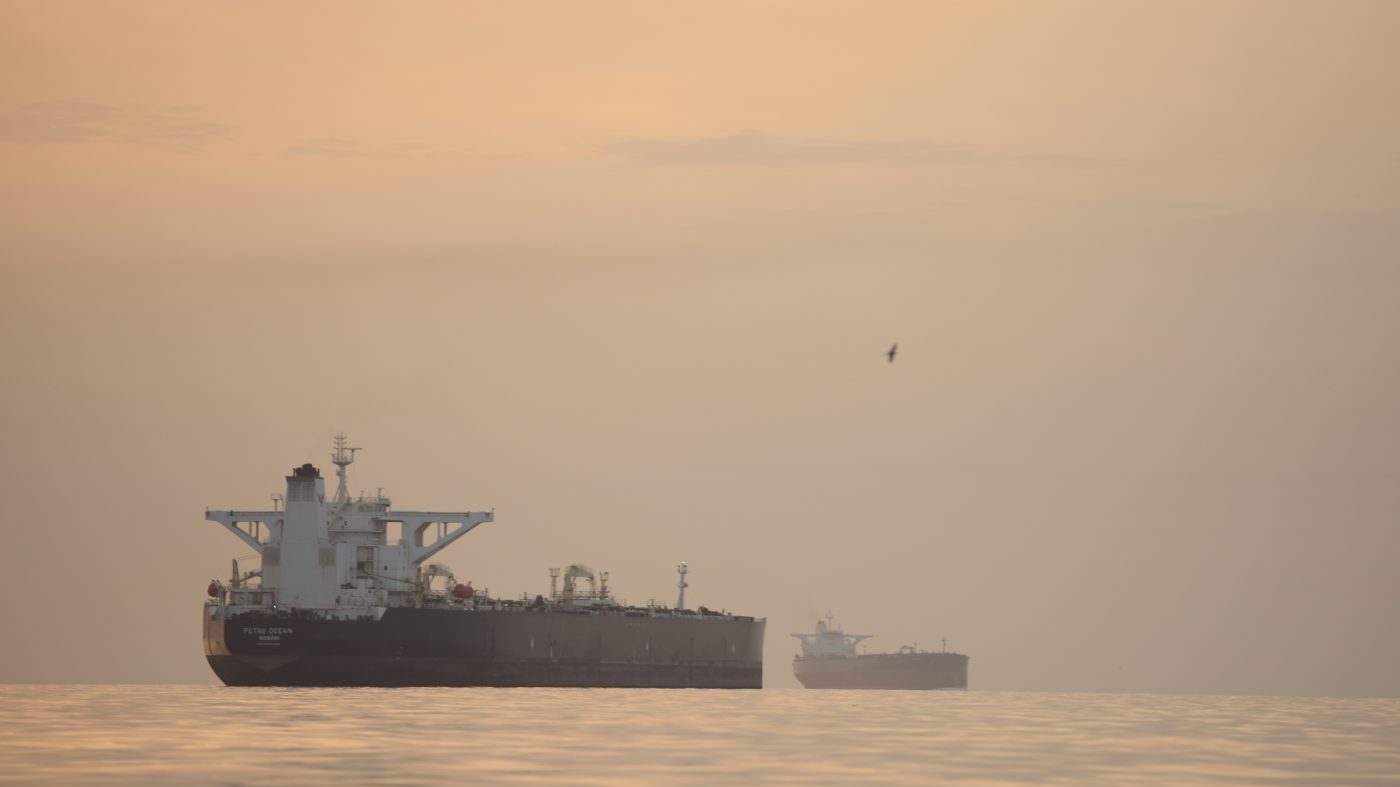
An Iranian commercial vessel came under attack early Sunday in the strategic Strait of Hormuz, according to Iranian state media, marking another escalation in the ongoing U.S.-Iran standoff that has now entered its seventh month.
Hossein Amir Teymoori, governor of Qeshm Island, told the state-run IRNA News Agency that the container ship was struck by an "unidentified projectile" near Hengam Island, a small island just off Qeshm's southern coast. The attack killed one crew member and wounded four others, IRNA reported.
The United Kingdom Maritime Trade Operations (UKMTO) also confirmed that a vessel was hit in the strait, reporting that a fire broke out aboard the ship and that local authorities were assisting with crew evacuation.
The United States has not claimed responsibility for the strike. The Hill has reached out to U.S. Central Command (Centcom) for comment, but no immediate response was provided.
The incident comes amid a series of reciprocal attacks between Washington and Tehran. Earlier this week, Iranian forces launched missiles at U.S. Navy warships, prompting a U.S. military response that destroyed five Iranian oil tankers linked to the Islamic Revolutionary Guard Corps (IRGC). Centcom said the tankers were part of a "multibillion-dollar shadow network" funneling funds to the IRGC and its regional proxies.
In a separate escalation, Iranian forces raided the Muwaffaq Salti Air Base in Jordan, where U.S. personnel are stationed. CBS News reported that the strike damaged multiple American military aircraft, but President Trump denied those claims, telling NewsNation's Robert Sherman that the attack caused "no damage" to U.S. assets.
Trump has also predicted that the conflict will conclude shortly after the November midterms, asserting on Wednesday that the Iranian regime "can't hold out any longer." He told reporters that while a negotiation could happen, "it's not something we're looking at."
The latest strike near the Strait of Hormuz, a critical chokepoint for global oil shipments, underscores the fragility of maritime security in the region. Analysts warn that continued attacks could disrupt energy markets and draw in other nations.
As the conflict grinds on, diplomatic efforts appear stalled. Secretary of State Marco Rubio has focused on the State Department's role in managing the crisis, but no concrete peace talks have been announced. The United Nations has called for restraint, but both sides show little appetite for de-escalation.
The death toll from the latest attack adds to a growing list of casualties in a conflict that has already seen significant military and economic losses. With no end in sight, the region remains on a knife's edge.