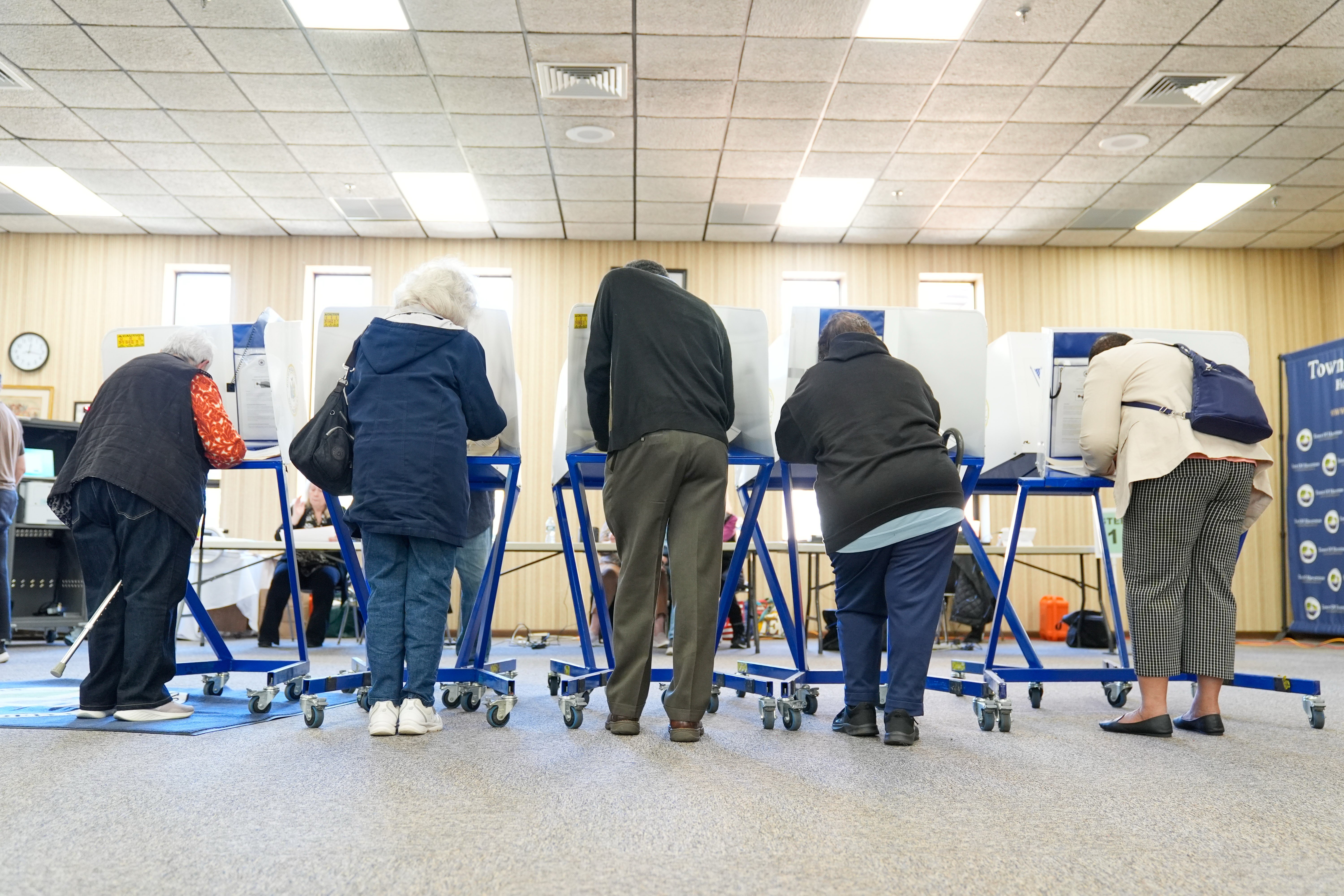
Over the weekend, voters in Serbia and Brazil delivered a powerful rebuke to authoritarianism, with youth-led movements driving historic turnout. These electoral outcomes offer a stark counterpoint to fears that democracy is in terminal decline, suggesting that the free world's future is far from sealed. For Americans heading into the midterms, the message is clear: the power to shape the nation's trajectory rests not with oligarchs or timid politicians, but with the electorate itself.
In Serbia, a student-led campaign that began after a tragic railway station collapse in Novi Sad in November 2024 ultimately toppled President Aleksandar Vucic's twelve-year rule. The disaster, which killed sixteen people, sparked a nationwide movement under the slogan 'Serbia or Mafia?' that united farmers, teachers, actors, and lawyers. The protests culminated in a massive demonstration in Belgrade in March 2025 and a demand for snap elections. Vucic, who accused protesters of colluding with the 'American deep state,' called the vote for September. Turnout exceeded 67.6%, the highest since Yugoslavia's dissolution, and Vucic was ousted.
Meanwhile, in Brazil, the 80-year-old incumbent Luiz Inácio Lula da Silva secured a narrow 52% victory over right-wing challenger Flávio Bolsonaro, son of former President Jair Bolsonaro. The win came after Lula lost the first round by over two million votes, but a youth-driven digital campaign helped galvanize an 80% turnout. The younger Bolsonaro has since fled the country, with the State Department issuing him a visa despite an ongoing money laundering investigation. Former President Bolsonaro, who had refused to accept his 2022 defeat and was later sentenced to 27 years for plotting a coup, saw his son's defeat as a further blow to the family's political ambitions.
These victories follow the ouster of Hungary's Viktor Orbán six months ago, a leader whose tenure was marked by corruption and authoritarian drift. Public anger over a pardon granted to a convicted child abuse cover-up sparked protests, with high school students playing a key role in a 35,000-person demonstration in 2022. The cumulative effect of these global shifts is a clear signal that citizens are willing to mobilize against autocratic tendencies, even in the face of entrenched power.
For the United States, the parallels are striking. President Trump's approval ratings are near record lows just a week before the midterms, with 73% of respondents disapproving of his handling of fuel prices and 52% planning to vote Democratic. Trust in American democracy itself is fragile: only 19% of adults believe it is performing well, and 91% say the country is on the wrong track. Young Americans, in particular, are disillusioned, with the 'thriving' rate among 18-20-year-olds dropping 20 points since 2020.
The challenges are immense: soaring gas prices, a costly and unpopular war in Iran, corruption scandals, the threat of AI to jobs, and environmental degradation from data centers. Yet the global examples suggest that the remedy lies in mass participation. Historically, US midterm turnout hovers around 40%, but the recent surges in Serbia and Brazil demonstrate what is possible when citizens see their votes as existential.
As Americans prepare to cast their ballots, the lesson from abroad is simple: voters demanding action on costs and Iran must turn out in unprecedented numbers. The fate of democracy does not rest on the courage of a few, but on the collective will of the people. If adults hesitate, they should consider the daunting odds facing their children, and make a bet on a brighter future.