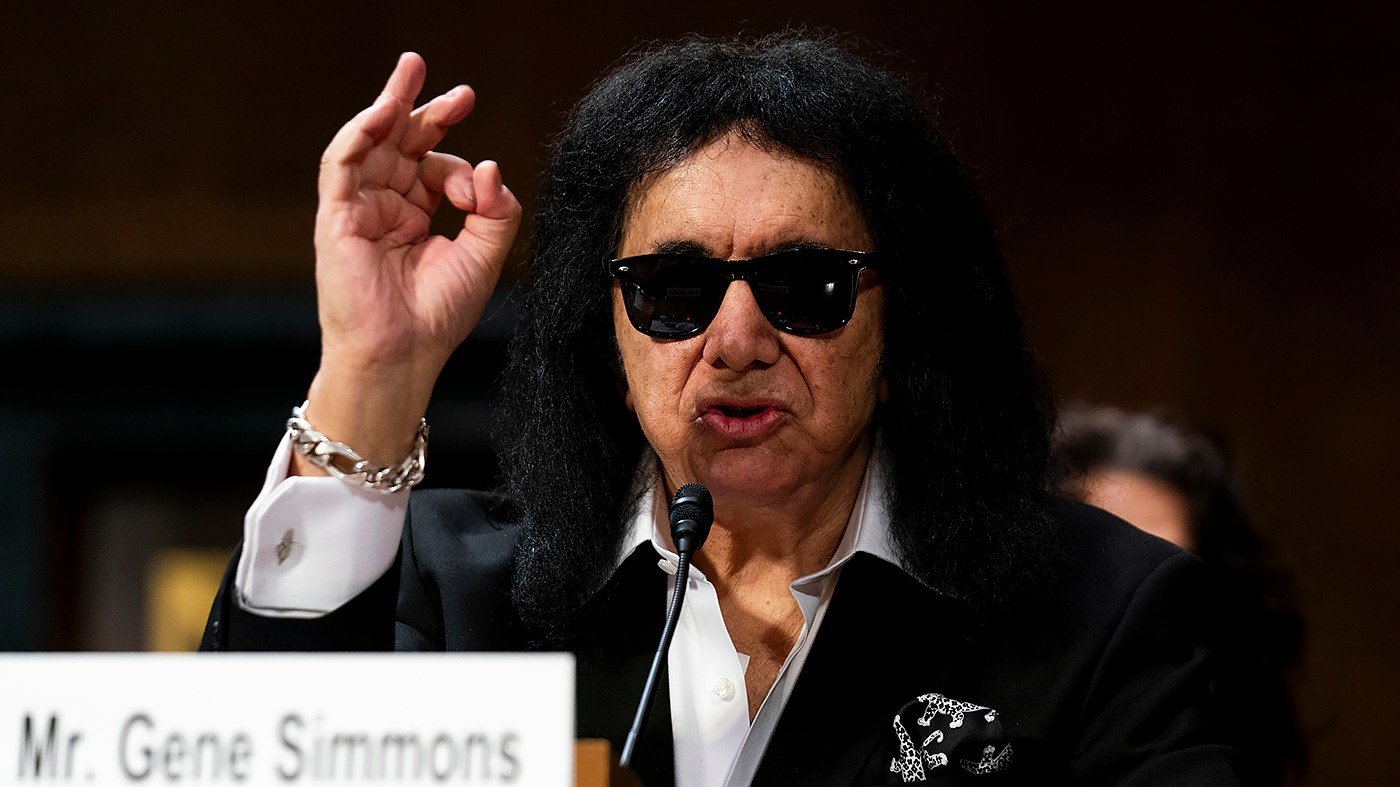
KISS frontman Gene Simmons is telling the music industry to stop fighting artificial intelligence and start mastering it. In an interview Tuesday on NewsNation's “The Hill with Blake Burman,” Simmons dismissed the debate over whether AI will be good or bad for music, arguing the technology is already reshaping the landscape.
“It doesn’t matter,” Simmons said. “The future is here.” The 77-year-old rock legend added a stark warning for artists: “You’ve got to learn how to use it, otherwise it will use you.”

Simmons’s comments come as the entertainment world remains deeply divided over AI’s rapid integration into creative fields. In 2024, thousands of musicians—including members of Radiohead, The Cure, and ABBA—signed an open letter condemning the “unlicensed use of creative works for training generative AI,” calling it a “major, unjust threat to the livelihoods of the people behind those works.”
While acknowledging those concerns, Simmons pivoted to a pragmatic approach, suggesting that resistance is futile. His position aligns with a broader tech industry push to embrace AI, even as regulators and artists grapple with copyright and compensation issues. The debate has also reached Washington, where lawmakers are weighing new rules on AI training data and intellectual property.
During the same interview, Simmons doubled down on his support for the American Music Fairness Act, legislation that would require radio corporations to pay performers when their music is played on terrestrial radio. Currently, AM/FM stations pay songwriters and publishers but not the artists or record labels, a loophole Simmons has long criticized.
Simmons said he testified last year before the Senate Judiciary Subcommittee on Intellectual Property and has also spent “some alone time” discussing the bill with President Trump. He predicted the legislation would eventually pass, vowing to be “a big, angry bee in the butt of everybody who stands in its way, and I don’t care.”
The push for the American Music Fairness Act has gained momentum in recent years, with supporters arguing that artists deserve royalties for radio airplay just as they do for streaming. Opponents, including some broadcasters, contend the current system promotes artists through free exposure.
Simmons’s stance on AI and radio royalties highlights a broader tension in the entertainment industry: adapting to technological change while fighting for fair compensation. As China races ahead in AI adoption, some U.S. artists worry about being left behind, while others see opportunity.
For Simmons, the message is clear: AI is not a passing trend. “The future is here,” he repeated, urging musicians to get on board or risk irrelevance.