With the U.S. midterm elections days away, political observers are watching two forecasting tools: traditional polling and the increasingly popular prediction markets. Each offers a different lens on the races, but their reliability is under scrutiny.
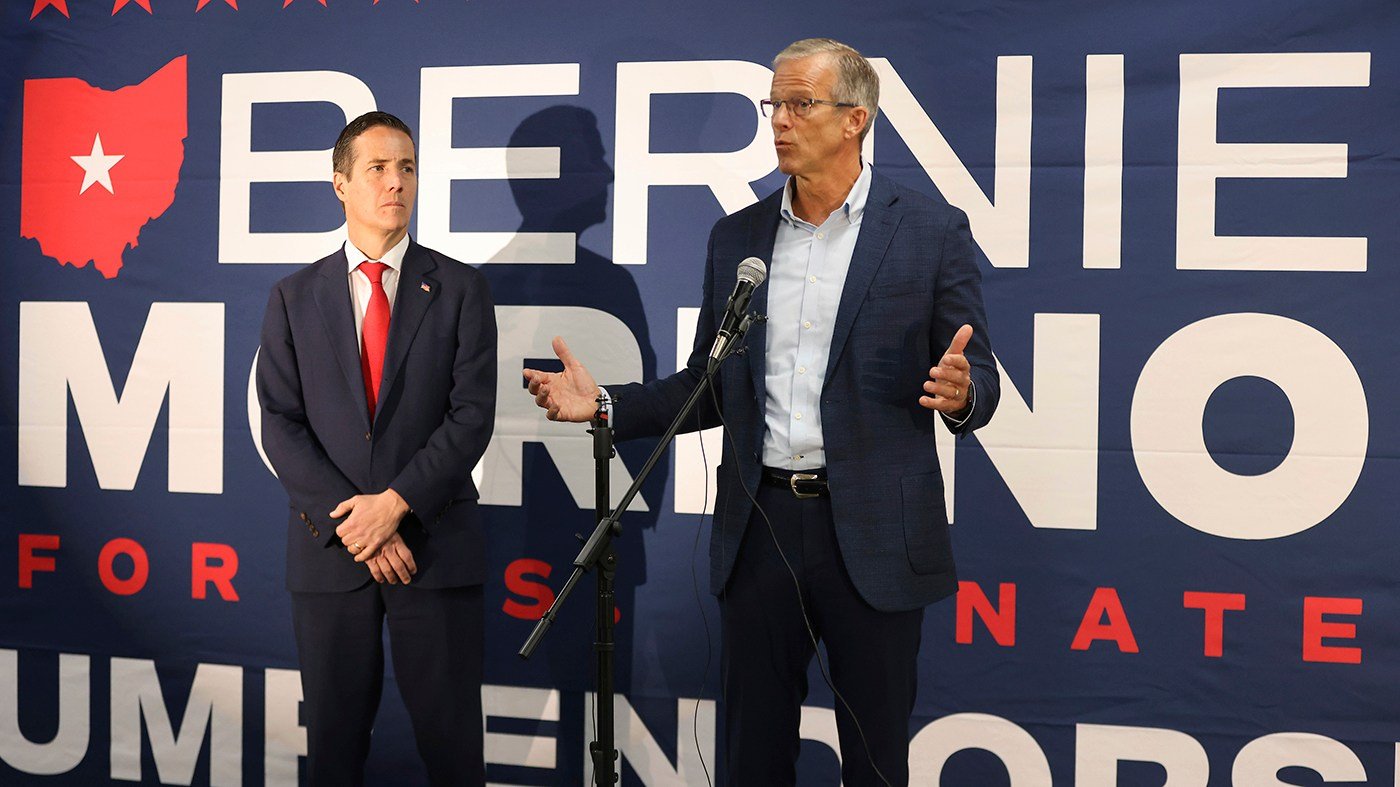
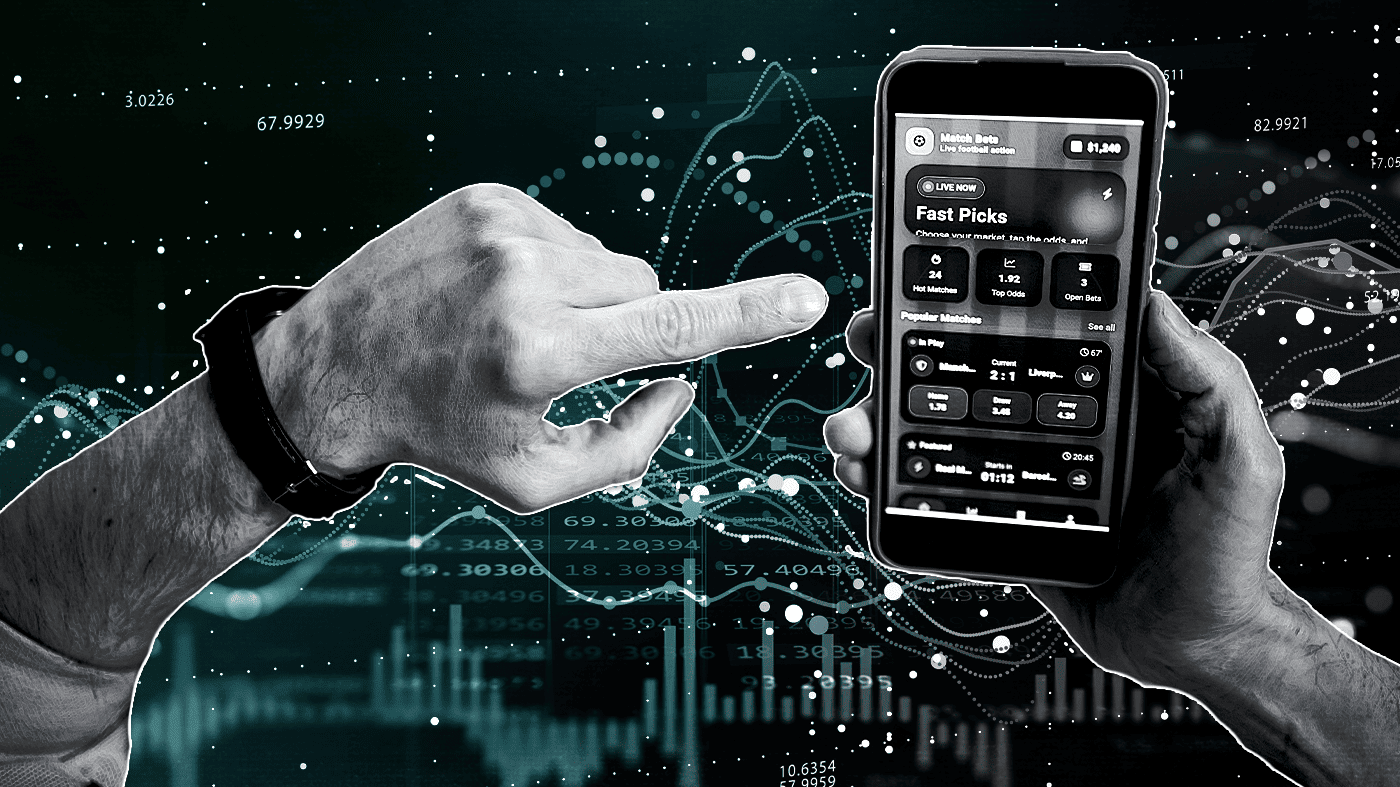
Pollsters have been surveying likely voters, capturing preferences and turnout intentions. Their data show tight House contests, with Democrats holding a slight edge, and competitive Senate races in traditionally Republican states like Texas and Alaska. Meanwhile, prediction markets—where traders buy and sell contracts based on election outcomes—have gained traction, with some betting platforms drawing millions in wagers.
How the two approaches differ
Polling relies on sampling a subset of the electorate, typically around 1,000 respondents, yielding a margin of error of plus or minus three points. In races where candidates are separated by just two points, that statistical noise makes polls less definitive. Prediction markets, by contrast, price contracts between $0 and $1, reflecting the perceived probability of a candidate winning. A contract at 60 cents implies a 60% chance of victory, but markets do not provide a margin of error.
Historically, prediction markets outpaced polls in forecasting the 2024 presidential election. One reason may be that bettors are self-selected and put real money behind their convictions, while poll respondents are randomly sampled. However, that self-selection introduces its own biases.
Who is betting—and why
The key question is whether bettors are representative of the broader voting population. Anyone with access to a platform can wager, regardless of citizenship, while only U.S. citizens can vote. Moreover, bettors are motivated by profit, not civic duty, and they may be influenced by partisan preferences. Recent surveys show that Republicans are more supportive of election betting than Democrats (16% vs. 12%), while opposition is higher among Democrats (69% vs. 61%). This partisan gap could skew market prices, even if arbitrage theoretically corrects for it.
Prediction markets also react in real time to news and other information, including polls, meaning they are partly derivative of polling data. Polls are snapshots, while markets are continuous, but both are vulnerable to demographic blind spots.
Turnout and uncertainty
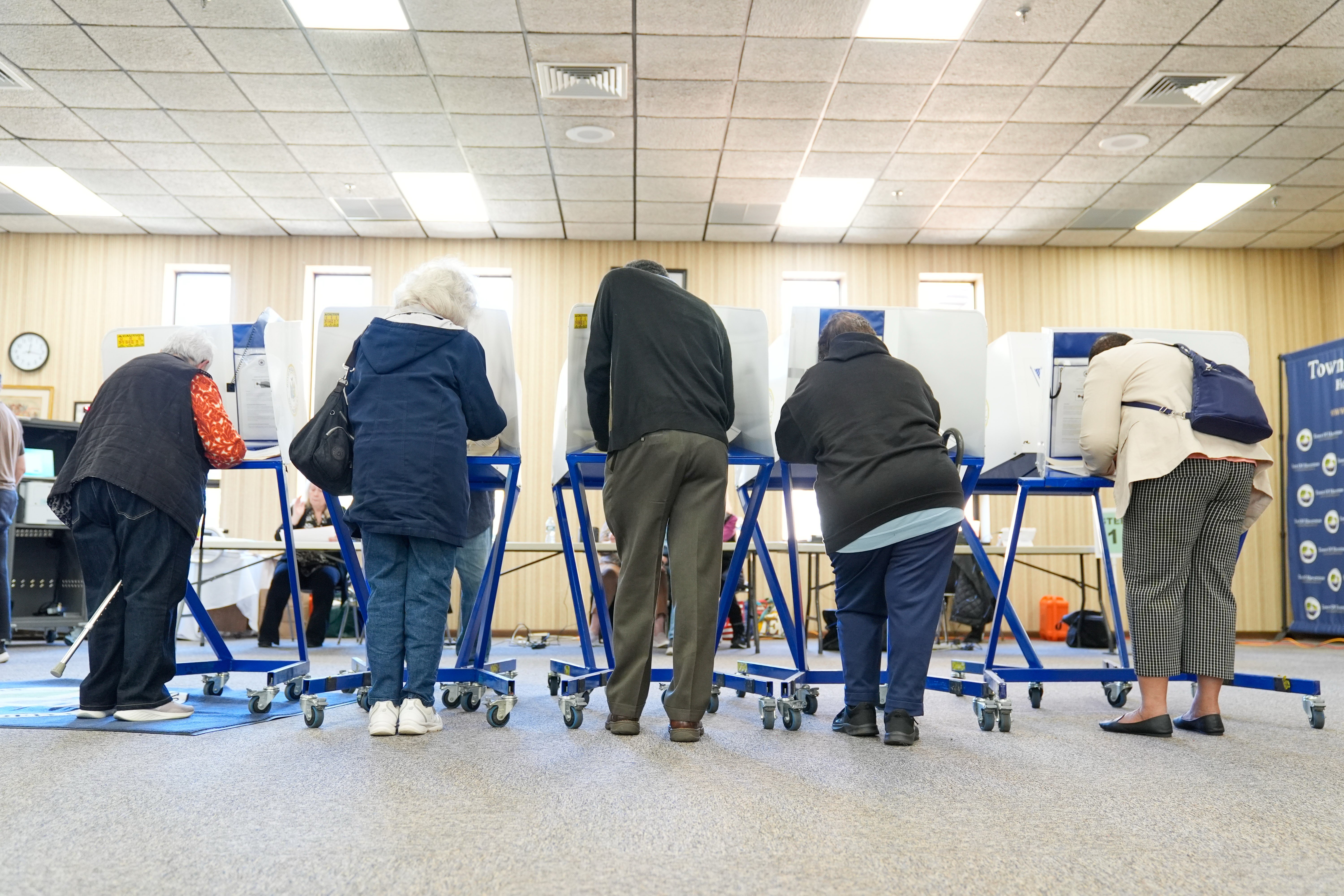
Turnout remains the wildcard. Inclement weather, personal emergencies, or a lack of enthusiasm can alter who shows up. If poll samples do not reflect the actual electorate, polls will mislead. Similarly, if bettors' demographics do not align with voters, market prices may not translate to outcomes.
The regulatory environment is also shifting. The Commodity Futures Trading Commission has taken legal action against states seeking to ban prediction markets, and an unusual coalition of gaming, tribal, and union interests has united against them. Meanwhile, the Pentagon has barred betting on military operations through these platforms, signaling official wariness.
After the votes are counted
Once results are in, both pollsters and market operators will claim vindication or explain away errors. Polling errors can be corrected by refining methodologies, but prediction markets are businesses whose credibility—and revenue—depends on accuracy. The stakes are high for both, but the ultimate winners are the voters who cast ballots, providing the data that truly matters.