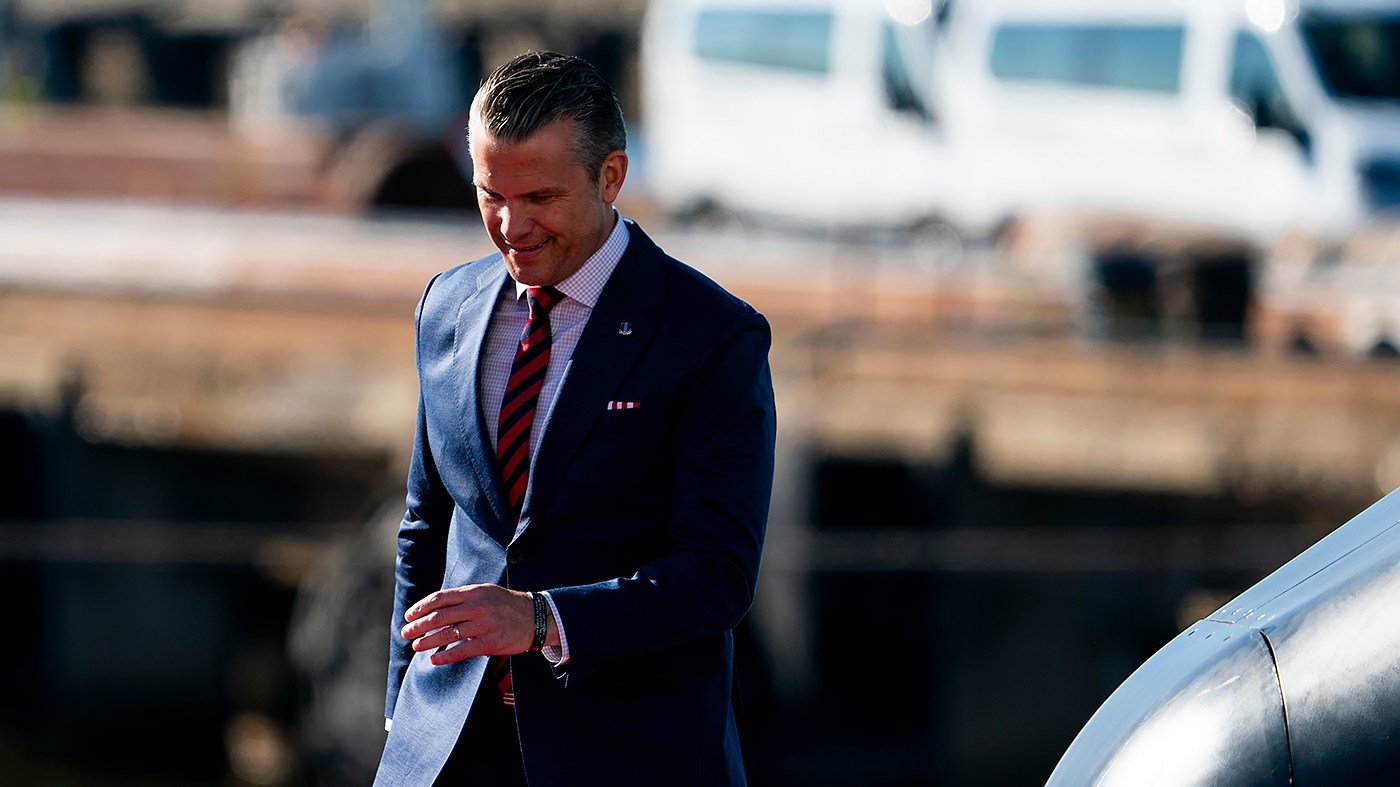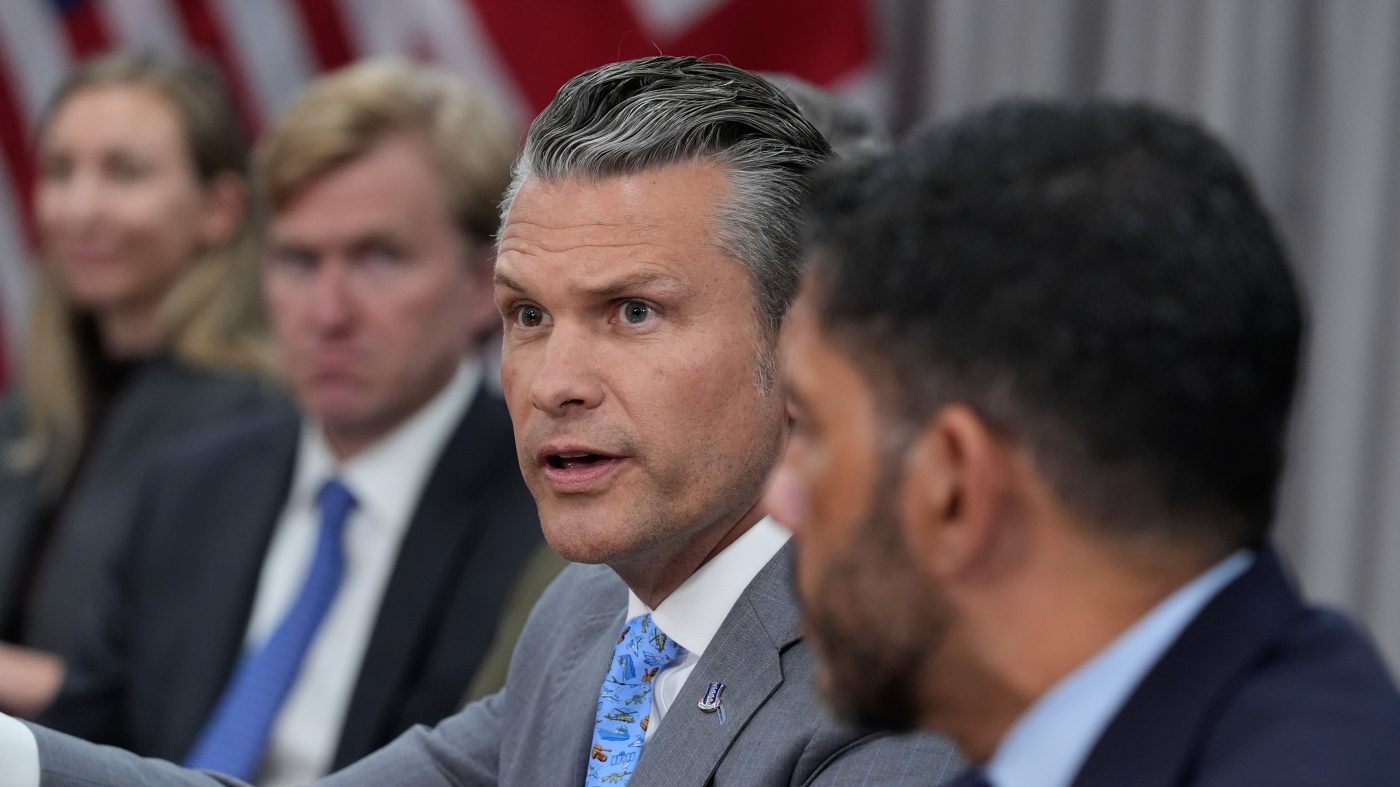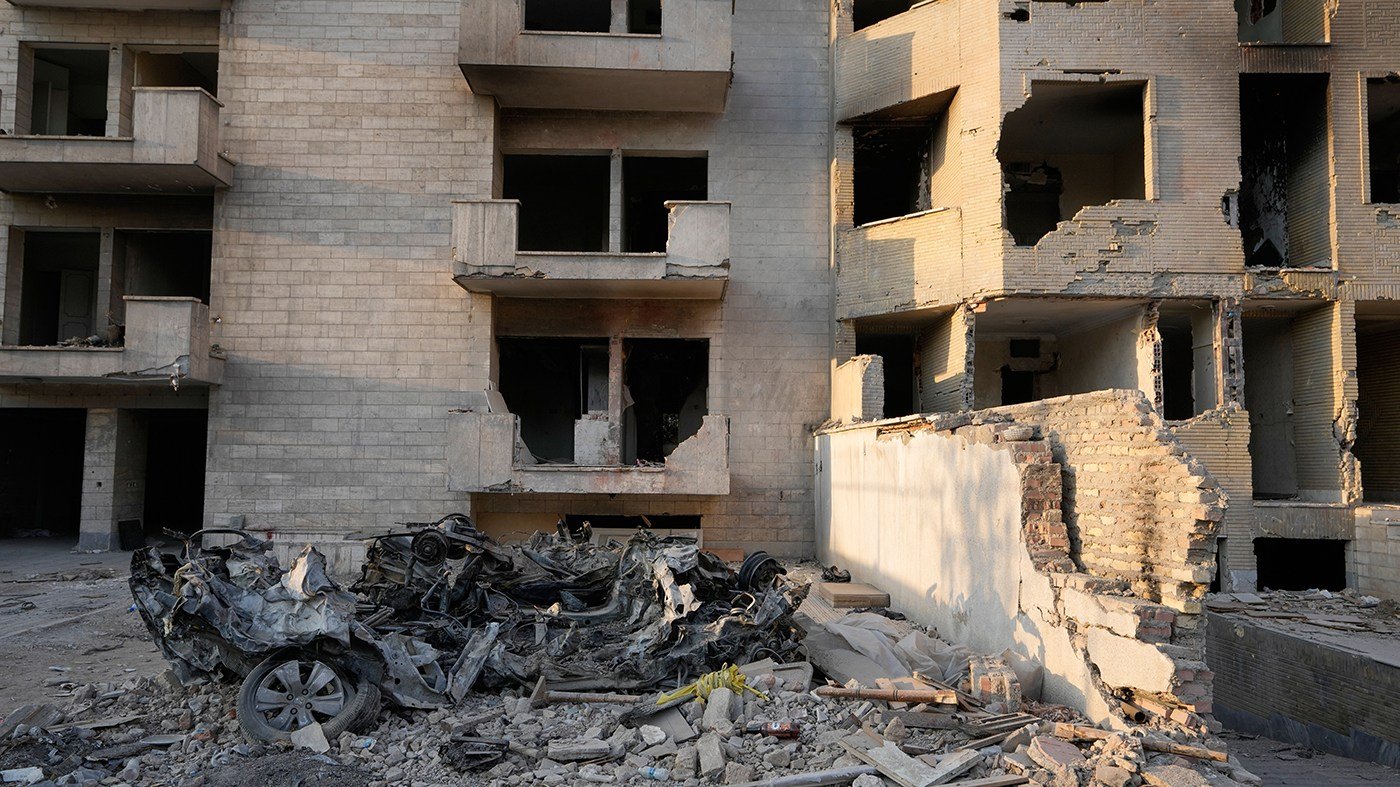
The latest exchange of fire between American and Iranian forces near the Strait of Hormuz injected fresh volatility into a conflict that has already dragged on for six months, but it remains unclear whether the skirmish will alter the fundamental dynamics of a war that has defied President Trump's early predictions.
Late Sunday, U.S. forces struck two Iranian rocket launchers reportedly preparing to lay mines in the strategic waterway. Tehran retaliated with missile fire toward American positions in Jordan and the United Arab Emirates, though most of those projectiles were intercepted.
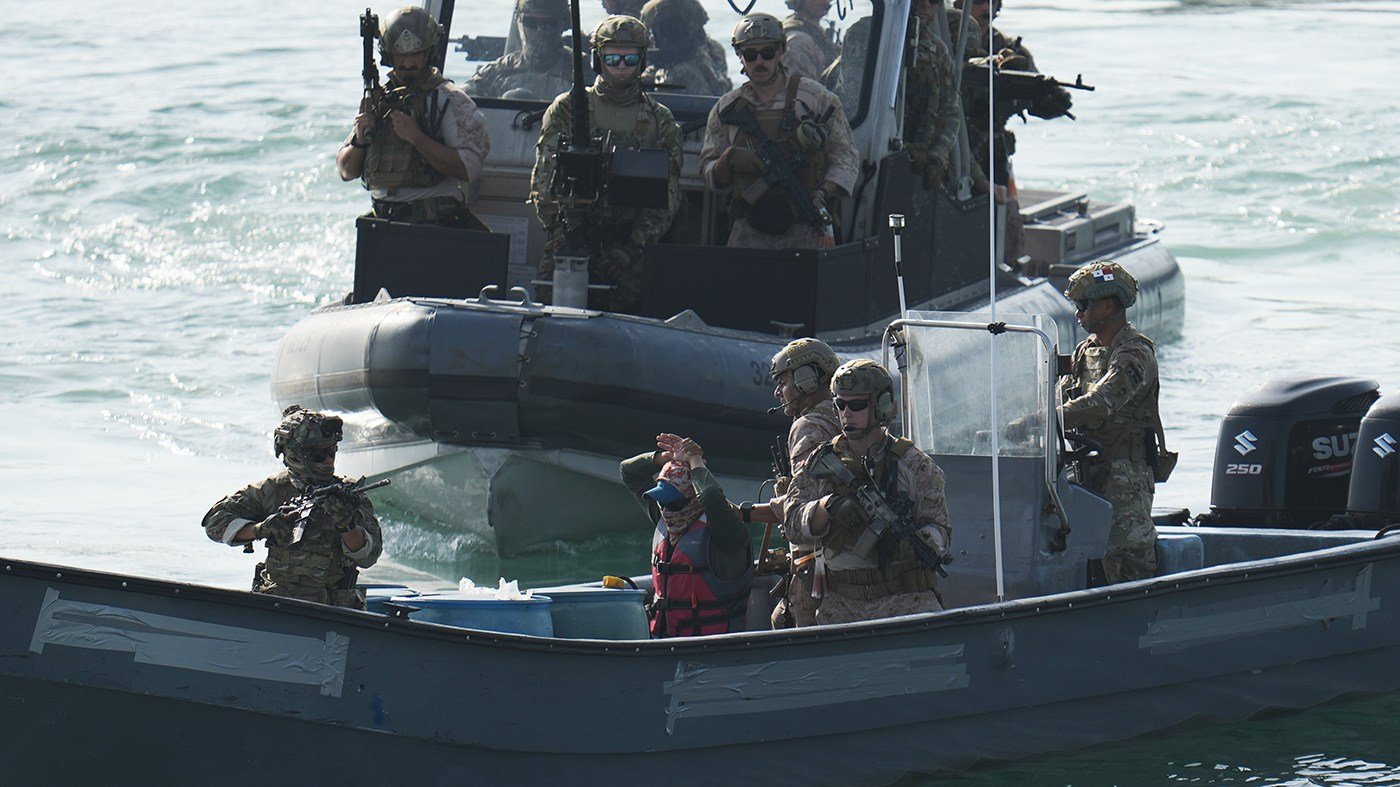
The incident did not appear to signal an imminent return to full-scale warfare. On Monday morning, Trump took to social media to denounce Iran as "officially a Failed Nation" with leadership "in total disarray," but such rhetoric has done little to shift the conflict's trajectory. The war has persisted far longer than the president initially suggested, and it is shaping up to be a significant liability for Republicans in the November midterm elections.
Even the modest scale of the latest clash had immediate economic consequences. Benchmark West Texas Intermediate crude oil jumped more than 3 percent on Monday, hovering near $86 per barrel—roughly $20 above prewar levels. The spike underscores the fragility of global energy markets as long as the standoff continues.
Public opinion remains firmly against Trump's handling of Iran, with polls showing disapproval by nearly a two-to-one margin. Yet some observers argue that a shift in perception could occur if the war appears to be turning in America's favor.
Brett McGurk, a veteran diplomat who has served both parties and is now a CNN analyst, wrote on Sunday that "the status quo—perhaps for the first time since the war began—now favors Washington, not Tehran." McGurk and other optimists point to several indicators: shipping through the Strait of Hormuz has increased, albeit with widely varying estimates, and there are signs of internal divisions within Iran's leadership. President Masoud Pezeshkian has seemed keen to keep diplomatic channels open, while hardliners around the Revolutionary Guard dismiss negotiations as a U.S. ploy.
Iranian Foreign Minister Abbas Araghchi acknowledged on social media that "putting diplomacy back on track isn't impossible," but stressed that "pressure doesn't work." Meanwhile, the Trump administration's economic pressure campaign is seen by some as a potential lever. Robert Wilkie, who served as Veterans Affairs secretary in the first Trump term, speculated that if Tehran cannot pay its internal security forces, rifts could emerge between regime loyalists and the broader population.
However, many experts remain deeply skeptical of any imminent breakthrough. Aaron David Miller, a former State Department official now at the Carnegie Endowment for International Peace, warned that believing the U.S. is winning would be "a mistake." He argued that both sides believe time is on their side and are willing to absorb economic and political costs, making a resolution unlikely in the near term.
Trita Parsi of the Quincy Institute for Responsible Statecraft went further, describing the U.S. as being in "strategic disarray." He accused the administration of toggling between approaches without a coherent strategy, and warned that a de facto policy of periodic military strikes could become a "forever war"—unpopular with the American public and unsustainable in the long run.
As the conflict grinds on, the political stakes for Trump and the GOP are rising. The president's focus on pump prices may resonate with voters, but the broader war effort remains a drag. With midterm elections approaching, the administration faces mounting pressure to show progress—or find an exit—while the world watches to see whether the Strait of Hormuz becomes a flashpoint again.