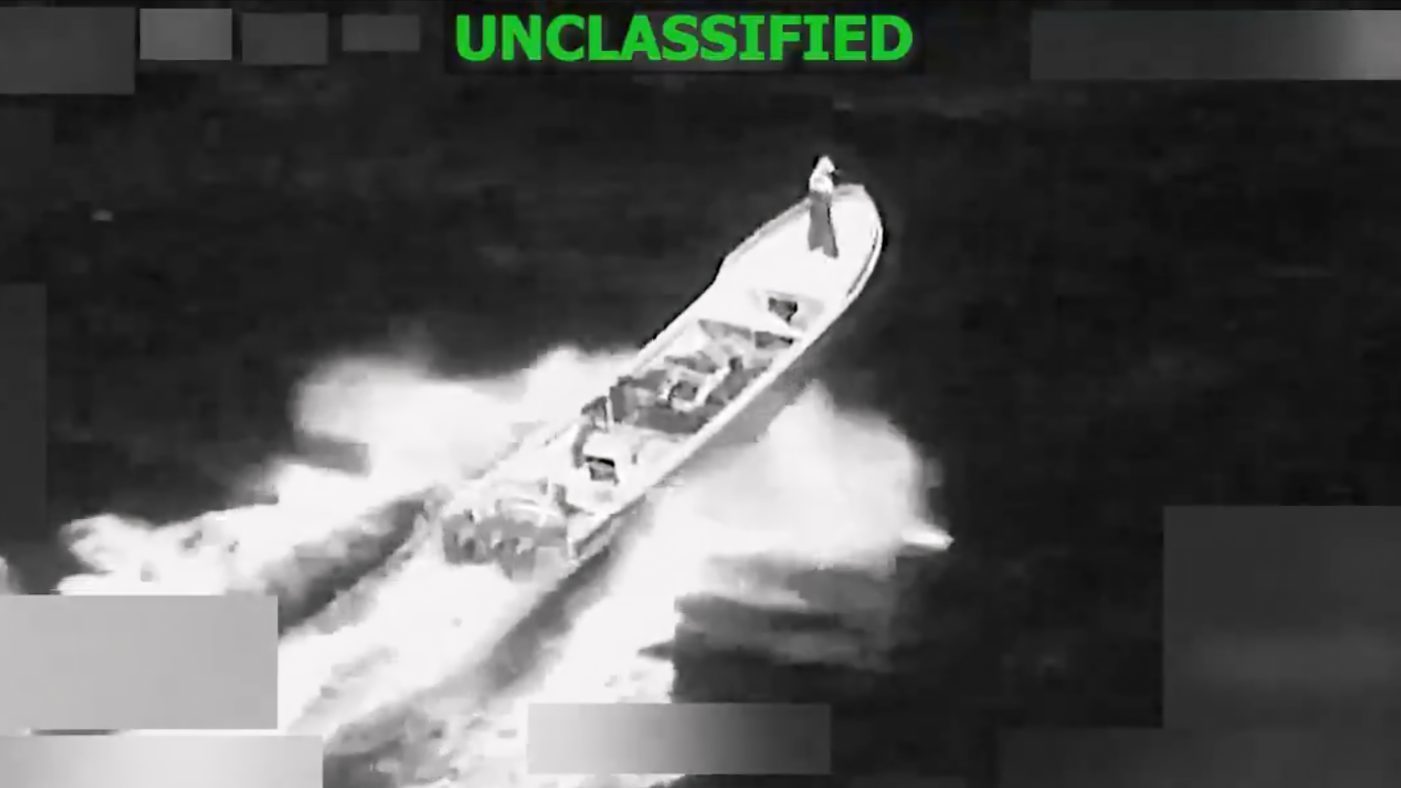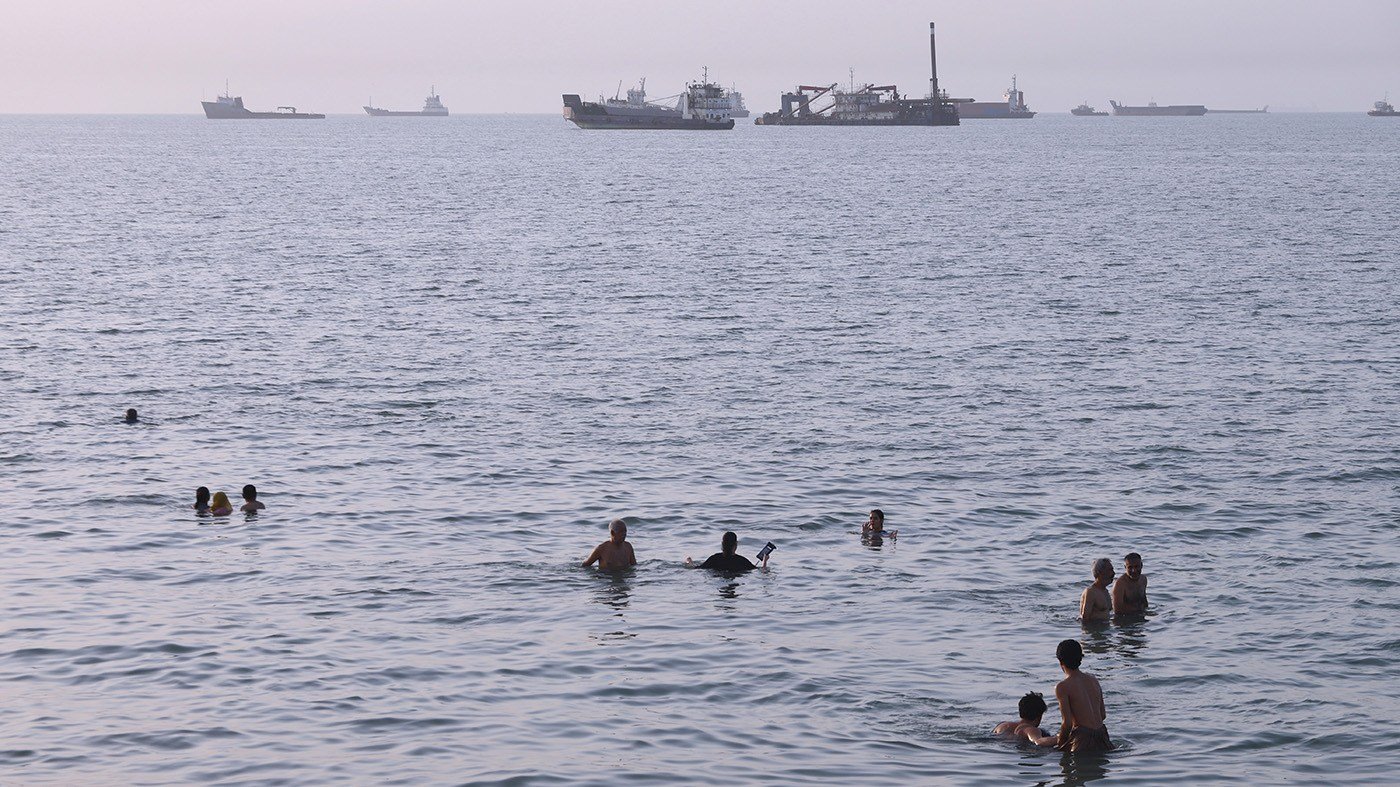
The Trump administration is touting its military efforts to keep oil moving through the Strait of Hormuz, but a cloud of uncertainty hangs over the operation: How much crude is actually getting through, and is the Pentagon's expenditure of resources worth the payoff? These are the central questions as the White House claims to have carved out a measure of control over the waterway, which has been largely closed to normal traffic since late February.
According to U.S. officials, the operation has enabled the transit of about 16 million barrels of oil to global markets, with roughly 40 tankers using the southern channel off Oman on a single night last week. However, independent analysts and even the UK Navy's Maritime Trade Operations center offer far more modest figures. Petras Katinas, a research fellow at the Royal United Services Institute, told The Hill that only three or four vessels per day have passed through the strait in August, a sharp drop from the 35 inbound and 39 outbound ships recorded in February. He expressed skepticism about the White House's numbers, saying, "I know the White House claims . . . around 15 to 20 vessels passed the Strait of Hormuz [per day], yet we've learned the White House math is not very strong."

The discrepancy matters because the administration's latest measures appear to have prevented an even sharper spike in global oil prices, but Brent crude still entered the week at $94.39, up from the previous week. The operation has not alleviated the economic pressures Republicans are feeling as the November midterms approach, with affordability concerns weighing heavily on voters.
The costs of the operation are substantial. Roughly 20 Navy warships, including two aircraft carrier strike groups, are currently stationed in the Gulf of Oman, along with other military assets needed to intercept Iranian drones and missiles. The strain on personnel was highlighted by the recent return of the USS Abraham Lincoln after a lengthy deployment that raised concerns about mental health and poor living conditions aboard the ship.
Beyond the resource drain, there is a strategic risk. Mona Yacoubian, director of the Middle East Program at the Center for Strategic and International Studies, warned that as the operation grows, it could become a more open provocation to Iran. "We've seen the Iranians respond to this kind of a thing already in the past, so it could be that it's in a bit of a catch-22," she said. "As long as the amounts that are being secreted out are not massive and significant, that type of an operation may be able to continue and . . . be done without enormous resources. But it then doesn't really have much of an impact on the global markets, which is really the effort here."
The limited volume moving through the strait is also insufficient to meet global demand, regardless of the exact figure. Rosemary Kelanic, director of Middle East Engagement at Defense Priorities, noted that "time depletes global stockpiles further because there's still a deficit of oil coming out of the Strait of Hormuz every day, even with U.S. military power shuttling oil through." She added, "Maybe it's 3 million barrels a day, maybe it's 5 million barrels a day, but it's not pre-war levels. And as long as that's the case, it's depleting U.S. and global inventories, and that is decreasing the buffer before prices spike."
President Trump this week escalated his rhetoric, promising an "economic D-Day" and a "crushing" operation to "cripple" Iran, while stepping back from diplomatic avenues. Those remarks contributed to a rise in oil prices at week's end, as markets feared a longer conflict. On Friday, Trump reiterated his confidence in U.S. control of the region, saying, "We're seeing what happens," and adding that the U.S. has "total control of that entire region having to do with the Strait of Hormuz. And that means well into it, the land areas."
Yacoubian suggested such public reassurances are part of the administration's PR strategy but may not reflect reality. "To be fair, we aren't seeing storage tanks run dry yet. We are not at that crisis moment that many have feared," she said. "Something is at play. What it is exactly and how sustainable it is, I think remains to be seen." The situation continues to evolve, with recent attacks on tankers raising the stakes. As the standoff persists, the administration's claims of success are met with skepticism, and the true measure of the operation's effectiveness remains elusive.