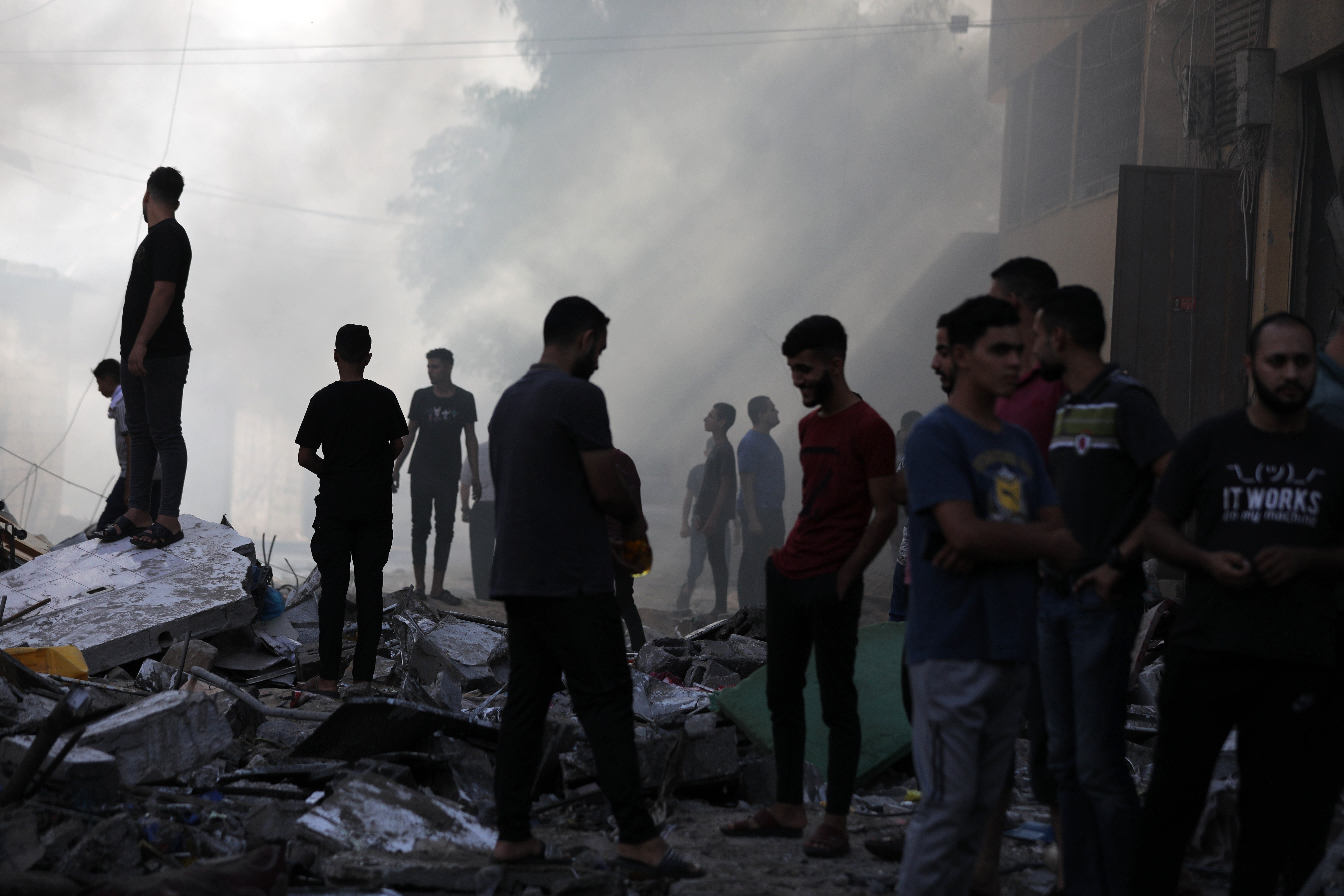
As the third anniversary of Hamas's October 7 attack on Israel approaches, a familiar chorus of critics is again demanding that K-12 teachers present a singular, uncomplicated version of the Middle East conflict. But a veteran Los Angeles educator argues that these calls ignore the messy, multi-layered reality that students deserve to understand.
In a new essay, Glenn Sacks, who teaches social studies at James Monroe High School in the Los Angeles Unified School District, pushes back against what he sees as a wave of accusations that teachers are antisemitic or biased against Israel. The Anti-Defamation League's latest report, "Antisemitism in U.S. Teachers Unions," accuses educators and their unions of promoting materials that are "one-sided, inflammatory and at times overtly antisemitic." The House Committee on Education and Workforce has also launched a probe into antisemitism in K-12 schools, alleging open hostility in classrooms.
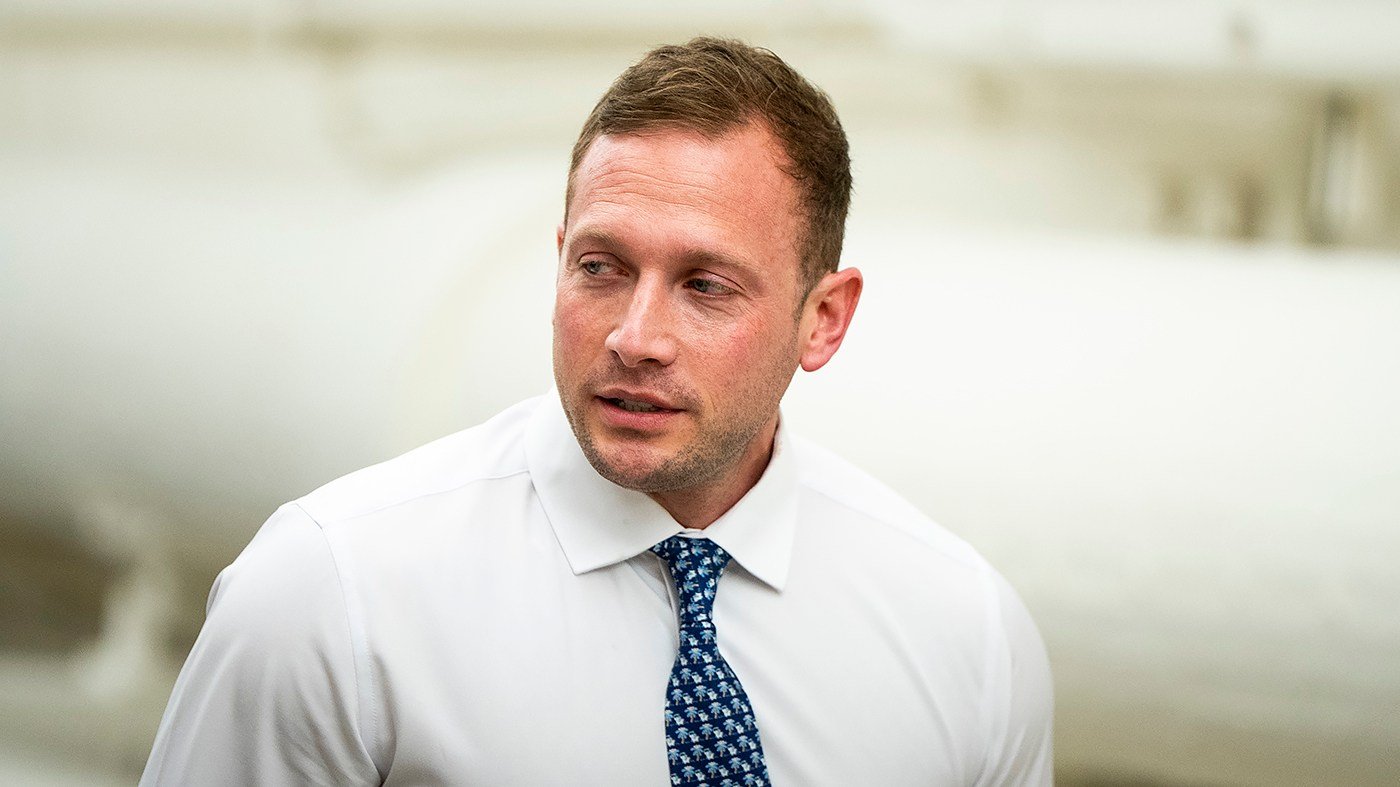
Conservative commentators have joined the fray. Joel Kotkin blames California teachers for "progressive indoctrination" of students, comparing it to education in Stalin's Russia. Ben Austin of Education Civil Rights Now criticizes what he calls "anti-Israel activism" in LAUSD classrooms that continues to "fester" post-October 7.
Sacks, who is Jewish, notes the irony that a profession with significant Jewish representation is being painted as a hotbed of antisemitism. He contends that while some criticism of Israel is indeed unreasonable, defenders of Israel often conflate legitimate criticism with antisemitism. A JewishCurrents analysis of the ADL's 2023 audit found over a thousand incidents classified as antisemitic that were actually just speech critical of Israel or Zionism.
One flashpoint is the use of the term "settler colonialism." Kotkin's evidence of antisemitism includes a northern California school district's ethnic studies curriculum that teaches that Israeli "settler colonialism" led to Palestinian "dispossession." But Sacks points out that early Zionists themselves used the word "colonization" to describe their project. In 1922, Muslims outnumbered Jews in Palestine seven to one; by 1948, Jewish settlers were in control.
Sacks argues that critics on both sides fail to accommodate the conflict's complexity. He acknowledges that Hamas's attacks on civilians were "criminal and indefensible," but he also notes that Israel's long-running occupation and settlement policies "inspired and provoked" the attacks. He cites UN Security Council Resolution 446, which declared Israeli settlements in occupied territories illegal, and a 2016 statement by President Barack Obama that Israel "cannot permanently occupy and settle Palestinian land."
The teacher also highlights that Hamas's attacks on Israeli Defense Force bases targeted an occupying army, making them legitimate military targets under international law, even as Israel's supporters often ignore those attacks in favor of the more inflammatory claim that "Hamas murdered more than 1,200 innocent men, women, and children."
In his classroom, Sacks says he will teach the horror of October 7 alongside the numerically larger and longer Gaza conflict that followed. He will explain how his parents' generation saw Israel as a sanctuary for Jews, while Palestinians remember the "Nakba" (catastrophe) — the expulsion and displacement of over 700,000 Palestinians in 1948, according to Amnesty International. He points out that none of the three widely used high school World History textbooks on his shelf even mention the word "Nakba."
Ultimately, Sacks hopes to give students the tools to navigate the conflicting narratives they see on social media and make up their own minds. "After three years of listening to how we should teach October 7," he writes, "what always strikes me is critics' inability to accommodate the complexity of the conflict."
His approach stands in sharp contrast to the education battles playing out in other states, where officials often push for more rigid curriculums. As the debate over what students learn about the Middle East intensifies, Sacks's call for nuance may be a lonely one, but it reflects a growing concern among educators who fear that political pressure is undermining the very purpose of education.