As political power shifts in Washington, the battle over how to combat fraud is entering a new phase. Both parties promise crackdowns, but their approaches diverge sharply. Minnesota's incoming governor, Amy Klobuchar, has pledged a “top-to-bottom audit” to address millions in missing taxpayer dollars. To voters, that sounds tough. In policy circles, however, a post-payment audit is often dismissed as “pay and chase”—sending funds out first and hoping to recover them later.
The core philosophical divide can be visualized as a vast desert. Republicans favor what might be called a “friction” strategy, littering the terrain with landmines: strict pre-payment verification, identity checks, and work requirements. The goal is to make fraud so difficult and risky that criminals don't attempt the crossing. Democrats, by contrast, prioritize low friction and rapid approvals to ensure eligible citizens get help without delay. But clearing those hurdles removes the landmines, leaving the desert open for fraudsters to roam freely, with the government only investigating after the money has vanished.
The trade-off is stark: low-friction maximizes access but creates an easy target. Without automated, real-time verification before payments go out, post-payment enforcement yields dismal returns. Less than five years ago, the Government Accountability Office (GAO) estimated that COVID-19 relief fraud exceeded $200 billion, stolen from programs like the Paycheck Protection Program and Economic Injury Disaster Loans. Today, federal authorities have recovered less than 2 percent of that—and “recovered” doesn't include court-ordered repayments or uncollected funds. Much of the money is laundered through shell companies and offshore accounts, never to be seen again.
State-level scandals underscore the risks. Minnesota's “Feeding Our Future” case saw $250 million meant for child nutrition stolen, and California has been plagued by widespread healthcare and hospice fraud. The GAO also reports that improper payments across federal agencies consistently top $200 billion annually, with some estimates doubling that. Democrats often view these losses as an unfortunate byproduct of bureaucracy, focusing on predatory vendors rather than systemic prevention.
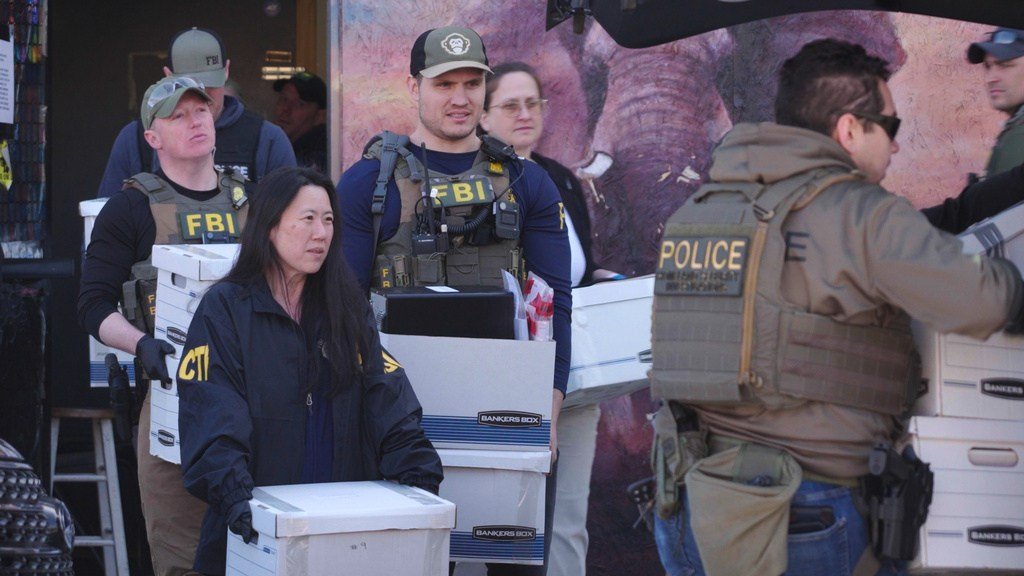
The Republican approach isn't a silver bullet either. While friction prevents some theft, it often devolves into performative crime-fighting. Agencies tout $100 million fraud busts, but the cases are typically four to eight years old, and recovery rates remain under 2 percent because the assets vanished long ago. Meanwhile, frontline field agents and auditors have seen their ranks decimated, even as prosecutors are hired. Adding courtrooms doesn't help if investigators can't gather evidence in real time.
Most fraud experts agree: you cannot audit your way out of systemic fraud. The only viable path is investing in real-time, automated pre-payment verification. Without stopping fraudulent transactions before the check is mailed, expanding program spending—whether for SNAP, ObamaCare subsidies, or other benefits—will continue to fund unrecoverable losses. The incoming Congress's focus on restoring these programs may be welcome news, but it also signals to fraudsters that the government is once again offering “free money, few questions asked.”
The transition period is a critical window. As state governors can no longer hide systematic fraud, the media—conservative, independent, and occasionally mainstream—will keep the spotlight on. The real concern isn't the current fight against fraud but the future of it. With shrinking pools of money and increasingly sophisticated criminals using identity theft, deepfakes, and phishing, the moment the desert is cleared of mines, fraudsters will rush in. They are resilient, constantly retooling like a factory to find new ways to steal. Washington must act decisively, or the next wave of fraud will be even harder to stop.