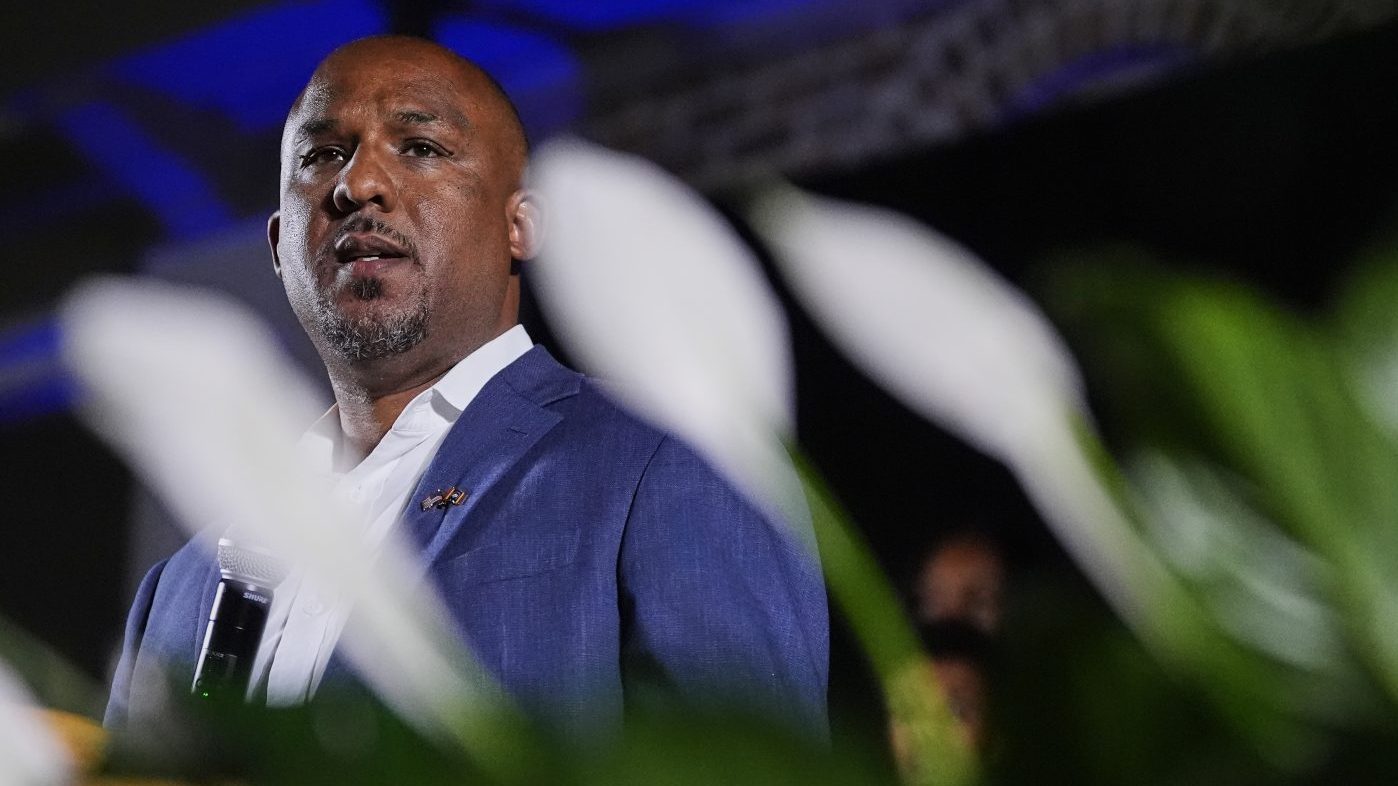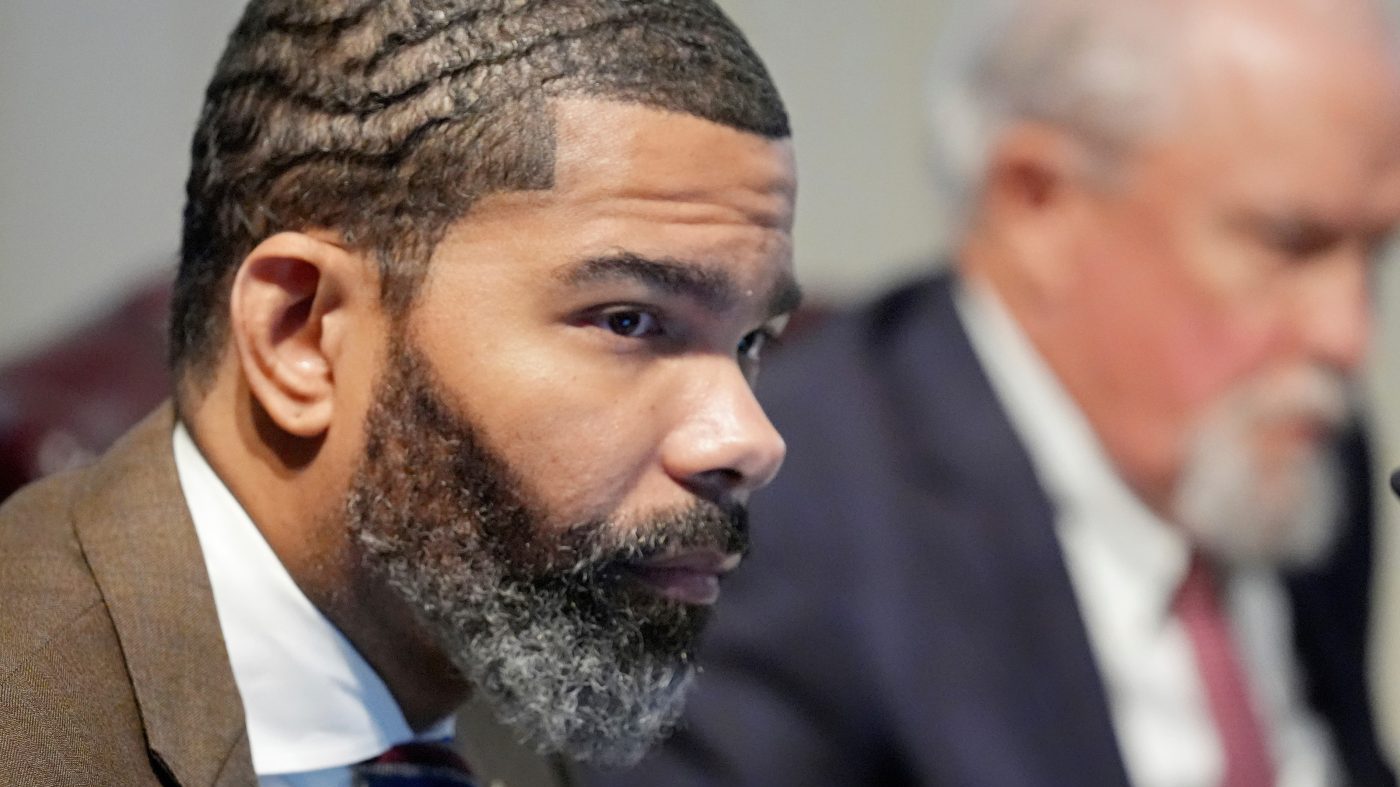
Former Jackson, Mississippi, Mayor Chokwe Antar Lumumba was handed a federal prison sentence of more than three years on Friday after pleading guilty to bribery charges stemming from his time in office.
Lumumba, a Democrat, admitted to participating in a corrupt arrangement with former Hinds County District Attorney Jody Owens and former Jackson City Council President Aaron Banks. According to the Associated Press, Lumumba received his sentence on Friday, while Banks and Owens had already been sentenced to prison terms.
Federal prosecutors said Owens orchestrated more than $80,000 in bribe payments to Lumumba and Banks in exchange for their votes to approve a multimillion-dollar real estate development in downtown Jackson. In return, Owens collected over $100,000 from individuals he believed were real estate brokers, using his connections with Lumumba and Banks to solicit the money. Those supposed brokers were actually undercover FBI agents.
Lumumba, the son of the late civil rights attorney and former Jackson Mayor Chokwe Lumumba, entered politics shortly after his father's death in 2014. He became the youngest mayor in the city's history at age 34, but his political career unraveled after the bribery charges became public. He lost the 2025 Democratic primary runoff to current Mayor John Horhn by nearly 50 points.
During his tenure, Lumumba oversaw a city plagued by a water crisis. In 2022, Jackson's water system failed, leaving more than 150,000 residents without safe drinking water for months.
The case has drawn attention to corruption in Mississippi politics, with the FBI's sting operation revealing the extent of the scheme. The bribery charges were part of a broader investigation that also led to the convictions of Owens and Banks.
Legal experts say the sentence reflects the seriousness of the offense, which undermined public trust in local government. Lumumba's fall from grace has been swift, from a rising political star to a convicted felon.
The city of Jackson continues to struggle with infrastructure and governance issues, and the scandal has cast a long shadow over its political leadership. For more on how corruption cases are reshaping local politics, see this analysis of Southern outreach efforts.
As Lumumba begins his prison term, the case serves as a cautionary tale about the consequences of public corruption, and it raises questions about the effectiveness of oversight mechanisms in Mississippi's capital. The FBI's undercover operation was a rare but powerful tool in exposing the scheme.
Lumumba's sentencing also comes amid broader debates about criminal justice reform and the use of sting operations. Some have praised the FBI's tactics, while others have questioned the ethics of such investigations. Regardless, the outcome has been a stark reminder of the fragility of political careers.