Nearly ten months after the Trump administration unveiled its ambitious plan to create nuclear energy campuses across the country, the vision has collided with practical and political realities. The original proposal, which promised tens of billions in investment and hundreds of thousands of jobs, has been scaled back significantly as questions mount over workforce availability, regulatory hurdles, and legislative gridlock.
From grand promises to scaled-back expectations
In January, the Department of Energy pitched the Nuclear Lifecycle Innovation Campuses to states, describing sprawling sites that would host everything from uranium enrichment and advanced reactors to fuel fabrication, data centers, spent fuel recycling, and waste disposal. The department suggested that a single campus could directly employ 50,000 workers, support an additional 100,000 to 150,000 indirect jobs, and require 10,000 to 20,000 new housing units. By September, Assistant Secretary for Nuclear Energy Ted Garrish had defined success as having at least three or four such campuses operational within 10 to 20 years. At the higher end, that would mean 600,000 to 800,000 jobs—a figure that would transform any state's economy.
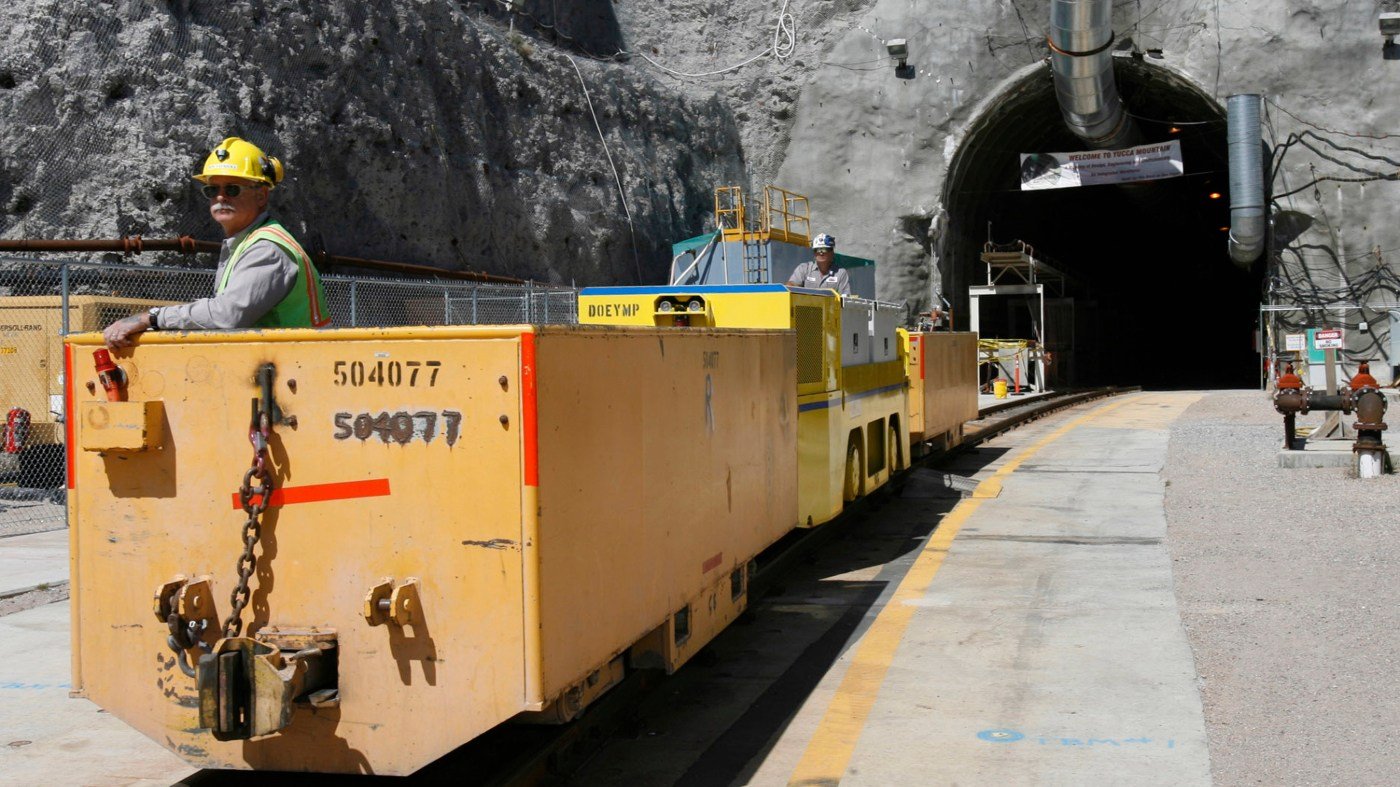
But the timeline has already slipped. The initial goal was to have initial facilities online by 2027, but the September 30 deadline for host agreements passed without announcements. On November 10, Energy Secretary Chris Wright acknowledged that moving spent fuel outside Nevada's Yucca Mountain would require legislative action. Representative Chuck Fleischmann (R-Tenn.) had hoped to advance that during the lame-duck session, but now says it may have to wait for the incoming Democratic-controlled Congress.
Workforce and political realities
A key question is where the workers will come from. The Energy Department's own employment reports count just over 70,000 people in the U.S. nuclear energy sector in 2025. Sixty-five percent of nuclear employers reported hiring challenges last year, and only 23% of nuclear workers are under 30. A nuclear campus would also compete with advanced manufacturing and data centers for electricians and technicians.
Craig Piercy, head of the American Nuclear Society, offered a more realistic scenario a week after Trump's midterm rebuke. He noted that some in the nuclear sector worry the near-term economic benefits of spent fuel recycling—a centerpiece of the plan—were oversold to states. Piercy, who supports the program, predicted that the first projects would be limited public-private demonstrations of spent fuel transportation, recycling, storage, and disposal technologies. "Even that is a ways off," he admitted.
This realism is welcome, but it raises concerns about the Energy Department's credibility. By lending gravitas to what some see as overblown promises, the department may have gambled with its own reputation.
What communities should ask
As the department prepares to select campus sites this year or early next, residents of states still at the table should demand answers: Which facilities will actually be built? Who will pay for them? Will any open around 2027? When will employment tick up? How many jobs will be permanent? Did state negotiators secure a strong benefits package? Can a community walk away if it feels misled? Was the January pitch too good to be true?
The job creation scenarios may reflect earnest ambition, careless arithmetic, a trumped-up sales pitch, or an accurate accounting of future hosting agreements. But if the bold economic vision that initially brought governors to the table has fallen away while communities are still asked to accept long-term nuclear waste commitments, then Trump's political breakthrough may, in hindsight, look more like sleight of hand.