The International Energy Agency (IEA) released its annual World Energy Outlook on Thursday, declaring that the energy crisis triggered by the Iran war has delivered the largest shock in history and will permanently reshape how the world powers homes, vehicles, and industry. The report, which analyzes data from over 30 member countries, projects that energy security and affordability will now dominate national priorities, accelerating investment in renewable and nuclear power while keeping coal as a crisis fallback.
IEA Executive Director Fatih Birol said the war has "delivered a huge shock to the system" and warned that "the longer the crisis lasts, the deeper the effects will be." He added, "I don’t see any credible pathway for the energy world to return to the way it was before." The report's release coincides with the final week of COP31 climate talks in Turkey, where electrification and the move away from fossil fuels are central issues.
The crisis has exposed vulnerabilities in global energy supply chains, particularly the Strait of Hormuz, through which about a fifth of the world's traded oil typically flows. The IEA forecasts that oil transiting the strait could fall from 20 million barrels per day before the war to 8.5 million by 2030, and under 2 million by 2035, as nations diversify their energy sources.
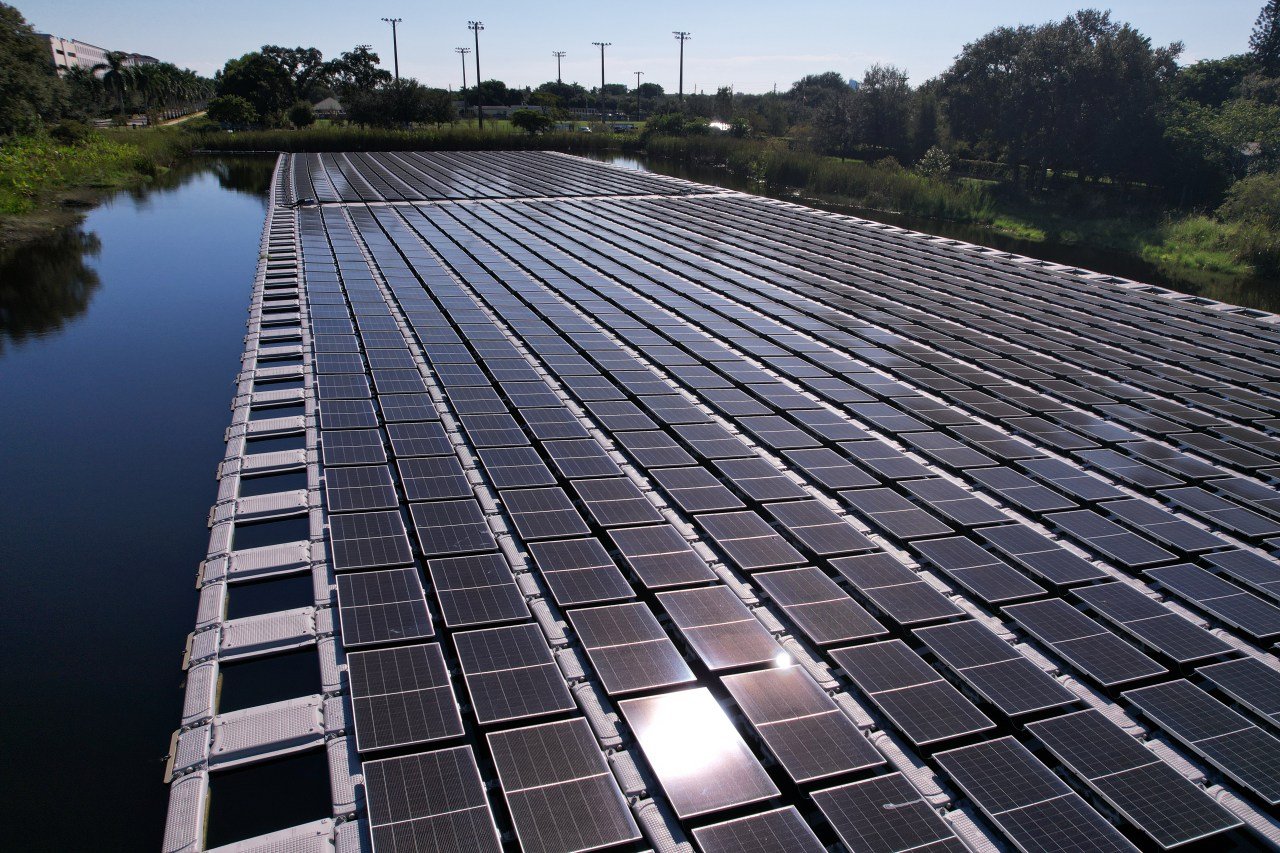
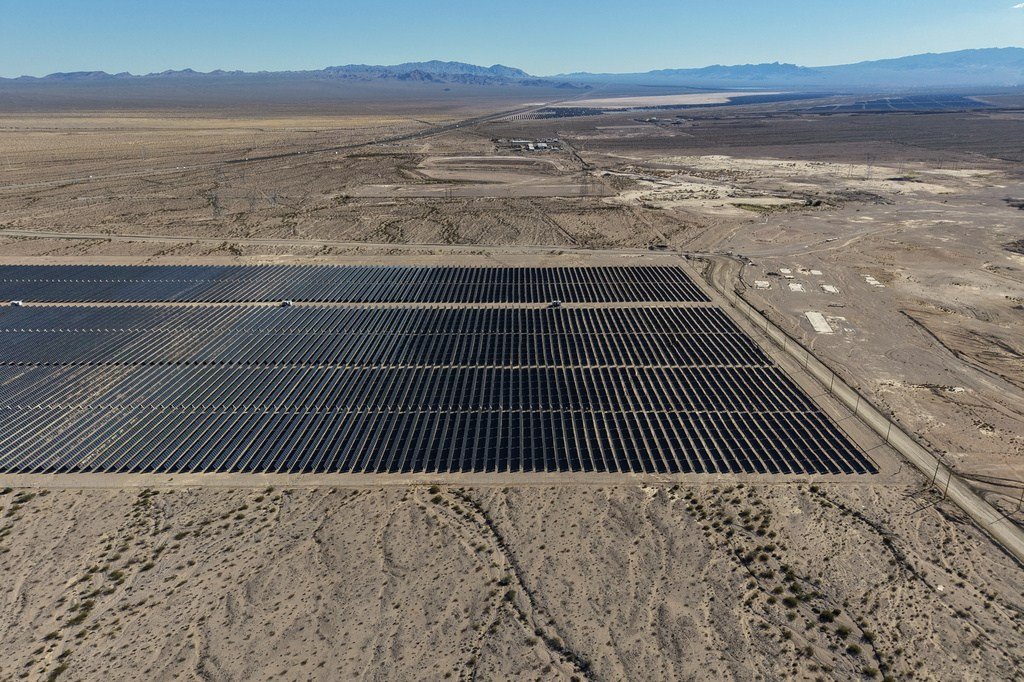
According to the IEA, renewables—led by solar—and nuclear power are the "biggest beneficiaries" of government efforts to bolster domestic energy. However, the report also notes that coal-rich nations in Asia, which faced energy triage when the strait was cut off, may retain coal as a backup option during future disruptions. This dual-track approach underscores the tension between long-term climate goals and short-term security needs.
Rachel Cleetus, climate program director at the Union of Concerned Scientists, told The World Signal from COP31 that "the future of the energy system and our climate are inextricably intertwined." She added that the IEA's report "makes clear that the fossil energy crisis unleashed by the US-Israel war on Iran has irrevocably changed the global energy system, adding to the many reasons why countries would benefit from a rapid transition to clean energy and electrification."
Electrification is a key theme of the report. The IEA notes a "striking milestone": energy demand for cooling is now overtaking heating demand for the first time. India is projected to lead global energy demand growth over the next decade, while China's electrification rate could rise from 32% last year to 43% by 2035—the highest among major economies. Turkey, hosting COP31, is pushing for a global target to increase electricity's share of total energy consumption from roughly 21% today to 35% by 2035, though U.N. documents do not explicitly require that this come from renewable sources.
Mohamed Adow, director of Power Shift Africa, said the crisis "has exposed the price of fossil fuel dependence. It’s crazy that a conflict thousands of miles away can send energy bills soaring at home." The IEA's report also highlights the growing number of energy futures shaped by conflicts, trade tensions, climate risks, and cyberattacks, all of which are pushing governments to diversify supply chains.
Dave Jones, co-founder of the think tank Ember, said, "When we look at how energy crises change the world over the long term, governments are only just beginning to get their head around just how much things will change." The IEA's outlook offers scenarios ranging from continued current policies to drastic emissions cuts, but all paths lead away from the pre-war status quo.
The report's release comes as the U.N. warns the world is dangerously close to missing the 1.5°C warming target, a goal that remains at the heart of COP31 negotiations. The IEA's analysis underscores that the energy transition is no longer a matter of choice but of necessity, driven by geopolitical shocks and climate imperatives alike.