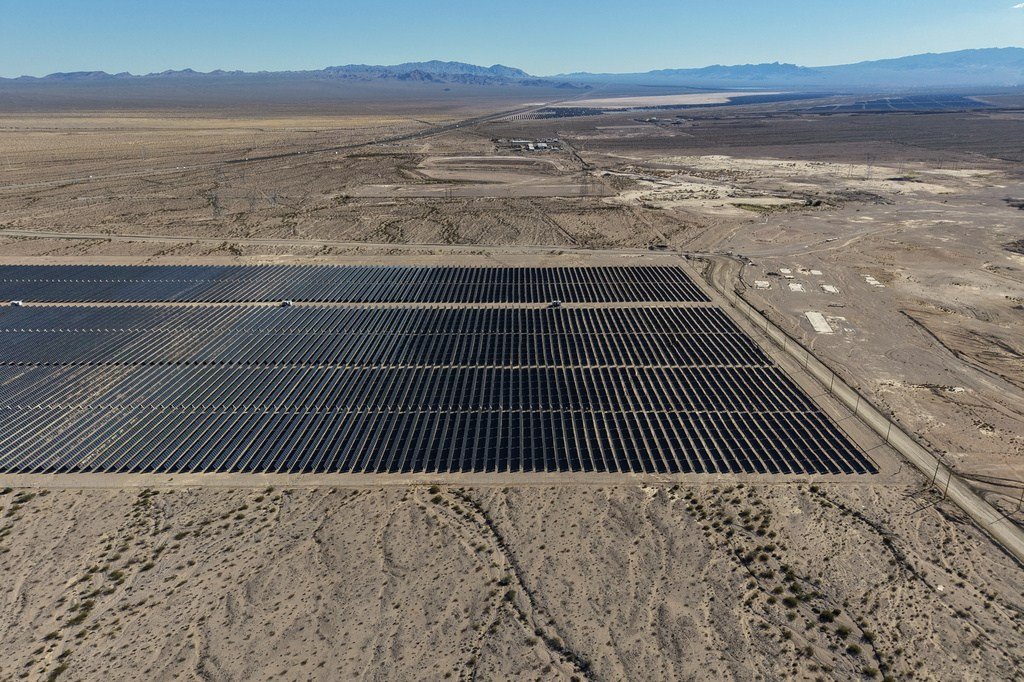
The Senate voted late Thursday to pass a sweeping energy and infrastructure bill that relaxes federal environmental regulations, a rare bipartisan breakthrough that exposed deep divisions among Democrats. Fourteen Democratic senators joined most Republicans to approve the measure, which supporters say will accelerate the buildout of transmission lines, natural gas pipelines, and renewable energy projects.
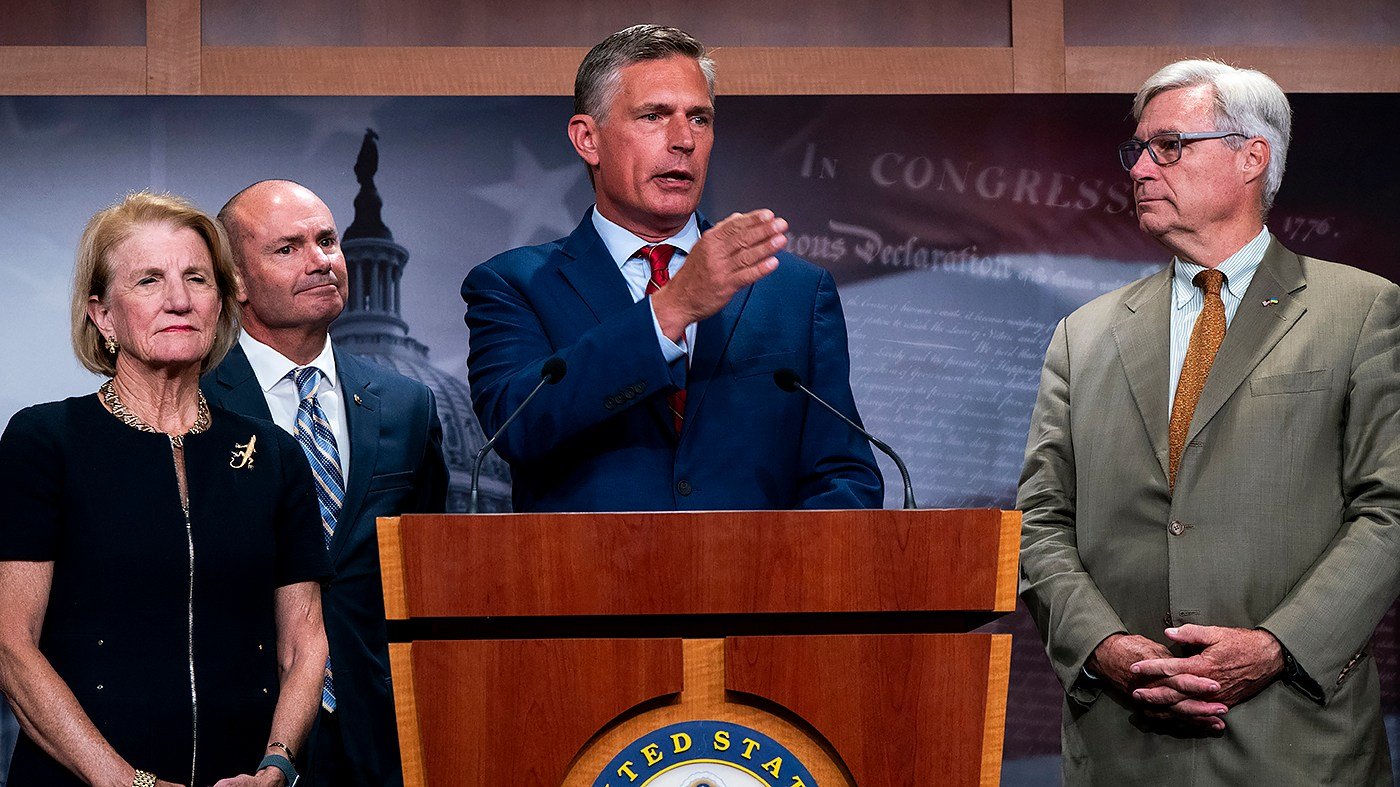
The legislation, formally titled the Bipartisan American Affordability and Jobs Act, was crafted by Democratic Senators Sheldon Whitehouse of Rhode Island and Martin Heinrich of New Mexico, alongside Republicans Shelley Moore Capito of West Virginia and Mike Lee of Utah. The bill rewrites key provisions of the Clean Water Act, the National Environmental Policy Act, and the Endangered Species Act, making it harder for federal agencies and states to block projects on environmental grounds and limiting legal challenges from opponents.
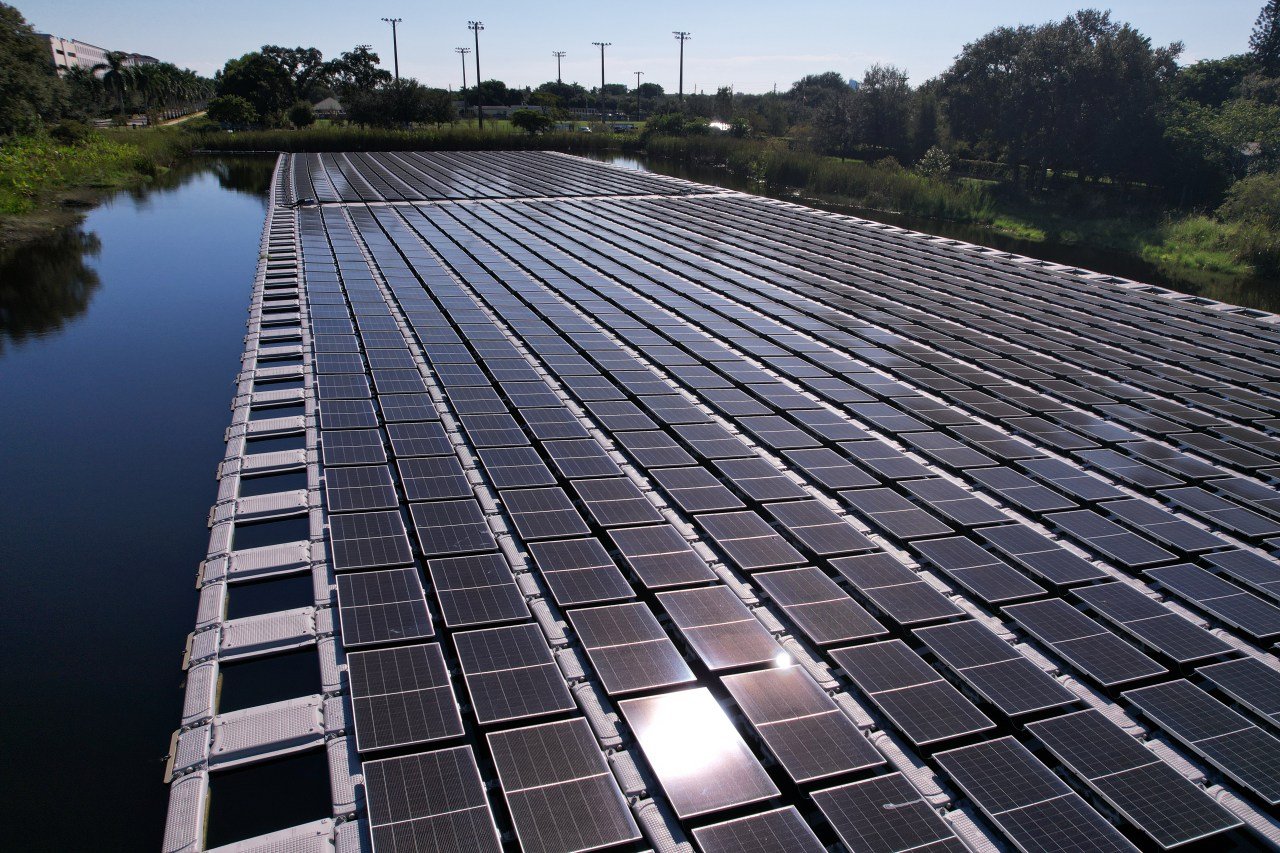
Among the most contentious changes, the bill extends the duration of water quality permits, restricts the Environmental Protection Agency's ability to set water quality criteria, and exempts certain activities—including natural gas pipeline expansions—from full environmental review. It also alters the definition of “best available science” under the Endangered Species Act, which environmentalists argue sets a higher bar for protecting imperiled species.
The fourteen Democrats who voted yes were Whitehouse, Heinrich, Chris Coons of Delaware, John Fetterman of Pennsylvania, Ruben Gallego of Arizona, John Hickenlooper of Colorado, Amy Klobuchar of Minnesota, Gary Peters of Michigan, Jack Reed of Rhode Island, Jacky Rosen of Nevada, Brian Schatz of Hawaii, Chuck Schumer of New York, Elissa Slotkin of Michigan, and Mark Warner of Virginia. Independent Angus King of Maine, who caucuses with Democrats, also voted yes.
Democratic opponents, who made up the majority of the party conference, argued the bill undermines environmental protections and reduces tribal consultation on projects that could affect their lands. But supporters pointed to analyses projecting the law would lower U.S. emissions and save consumers money on electricity bills by 2040.
“This bill kicks off Democrats bringing down energy costs, lowering emissions, creating well-paying jobs, and ending the free ride for data centers,” Whitehouse said in a statement. Heinrich called it “a win for the climate as well as affordability,” citing provisions that would force data centers to pay for electricity cost increases they cause and grant new authority to the Federal Energy Regulatory Commission to approve interstate power lines when states fail to act.
King acknowledged the political tension, saying his vote “wasn’t an easy choice.” He explained, “I listened to my environmental friends in Maine, many of whom were opposed to the bill, I talked to people in the energy field, particularly in the renewable field, and decided that on balance this bill is a lot better than the status quo.” He added that the bill “unlocks an enormous amount of renewable energy, that is now basically unable to get to the market because of a lack of transmission.”
The bill now heads to the House, where its fate is uncertain. The vote highlighted the ongoing struggle within the Democratic Party over how to balance climate priorities with energy affordability and infrastructure needs, a tension that is likely to shape the upcoming legislative agenda. As the party prepares for a new Congress, the debate over potential cooperation with Republicans will intensify, and the energy bill could serve as a template for future deals on permitting reform and grid modernization.