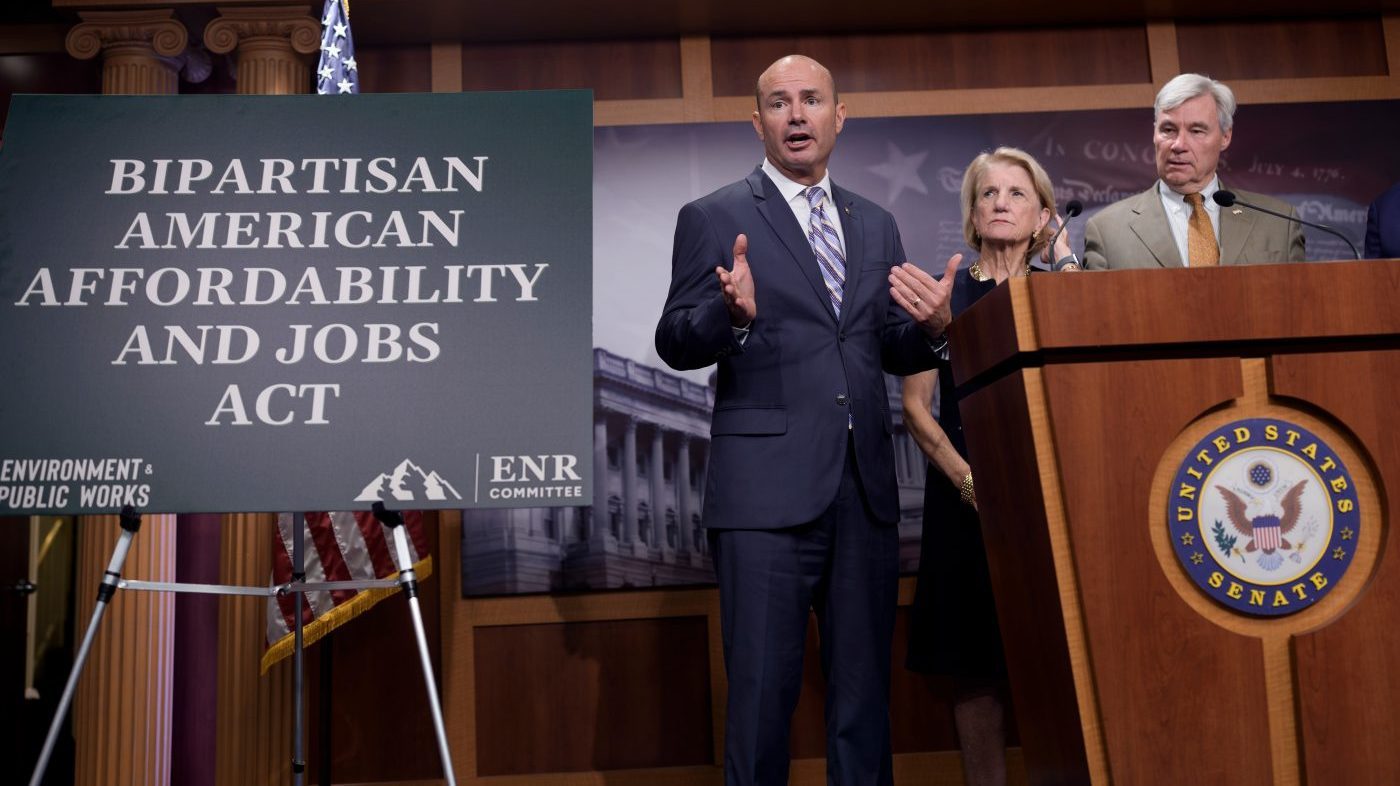
The Senate on Thursday approved a sweeping permitting reform bill, a major step toward easing the regulatory bottlenecks that have long slowed energy and infrastructure projects across the country. The measure, known as the Bipartisan American Affordability and Jobs Act (BAAJA), passed by a vote of 62-33, with bipartisan support.
The legislation is designed to address complaints from industry leaders and lawmakers that the current permitting process is too slow and unpredictable, hindering investment and job creation. Proponents argue that by streamlining approvals, the bill will boost economic growth and facilitate the expansion of renewable energy, which they say will also help reduce greenhouse gas emissions.
Opponents, however, contend that the bill weakens environmental protections and gives a boost to fossil fuel and mining interests. They point to provisions that limit judicial review and shorten the timeline for legal challenges, making it harder for communities to oppose projects.
The bill now heads to the House, where it is expected to receive significant bipartisan backing, though Democrats are split. Progressive members are opposing the measure on environmental grounds, while more moderate Democrats have expressed support. The White House has endorsed the legislation, with a statement saying it "would remove major obstacles to building the infrastructure we need in this country."
In the House, the bill also faces a crowded lame-duck calendar, including the need to avert a government shutdown. At least one powerful Republican has signaled a desire for changes, which could complicate its path.
Key provisions of BAAJA include granting federal regulators authority to approve interstate power lines if states fail to act, a move seen as crucial for integrating renewable energy into the grid. The bill also restricts the ability of presidents to revoke existing permits for energy projects, a direct response to actions taken by both Democratic and Republican administrations, such as the cancellation of the Keystone XL pipeline and attempts to block wind projects.
Additionally, the bill allows project developers to sue the government if they can demonstrate a pattern of disparate treatment of different energy sources. It also exempts certain activities, including natural gas pipeline expansions, from environmental reviews, and limits those reviews to alternatives that meet the project sponsor's goals.
To further curtail litigation, the bill requires that lawsuits be filed within 150 days of a project's approval and only allows parties that participated in the formal public comment period to sue. It also seeks to address the rising electricity costs associated with large data centers, forcing them to pay for the grid impacts of their high energy demand.
Supporters of the bill argue that these measures are necessary to modernize the nation's infrastructure and maintain economic competitiveness. Critics, however, warn that the legislation could lead to irreversible environmental damage, citing concerns over projects like the proposed development in Minnesota's Boundary Waters. As the bill moves to the House, its fate remains uncertain, but its passage in the Senate marks a significant milestone in the push for permitting reform.