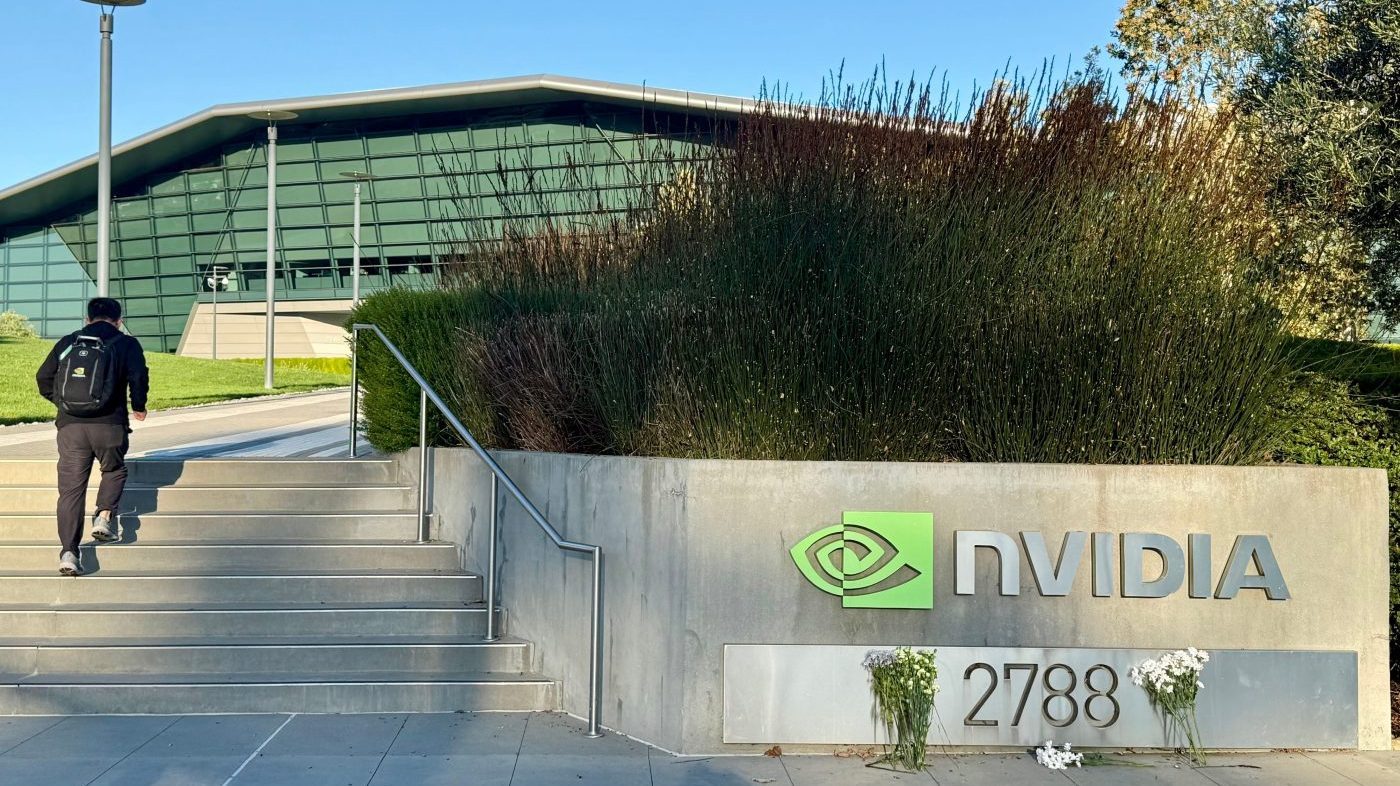
California Attorney General Rob Bonta has issued subpoenas to Nvidia, escalating a state-level investigation into whether the tech giant improperly sold advanced artificial intelligence chips to China and misled investors about the risks. The announcement, made Thursday, marks a significant legal move against one of the world's most valuable semiconductor companies.
In a statement, Bonta said the company's conduct, including that of its former CEO Jensen Huang, raises serious concerns. "The conduct of Nvidia and its former CEO raises bright red flags, including about the ways in which the company may have misled investors," he said. "My office is investigating whether Nvidia or Jensen Huang's actions resulted in China obtaining advanced chips or confidential information — and if Nvidia misled investors and the public about this risk, in violation of the law."

The subpoenas are part of a broader probe into Nvidia's compliance with U.S. export controls and securities regulations. Bonta's office emphasized that the information gathered will help determine if the Santa Clara-based company violated California state law. "Nvidia is in a messy, transnational situation but the underlying principle of our corporate securities law is clear: Companies cannot mislead their investors," Bonta added.
This state action comes as federal regulators are reportedly conducting their own review. According to The Wall Street Journal, the Securities and Exchange Commission (SEC) is investigating Nvidia for similar potential violations, though the exact focus of that probe remains unclear. The SEC inquiry reportedly includes whether Nvidia misled investors about its China sales.
The investigations follow Huang's resignation as CEO after allegations of an affair with an alleged Chinese spy. The scandal has cast a shadow over Nvidia's business practices and its relations with Beijing. In a related development, the House Foreign Affairs Committee released documents Thursday revealing that the U.S. government authorized the sale of nearly 900,000 Nvidia and AMD AI chips to Chinese military companies designated by the Defense Department.
An Nvidia spokesperson previously told The Hill that the licensing process was rigorous and lengthy. "The review and licensing process spanned more than half a year, with approvals subject to strict conditions and limited volumes," the spokesperson said. "Despite receiving some licenses, we have since stopped shipping H200s to China."
Other probes are also examining the Commerce Department's role in facilitating Nvidia's chip sales to Megaspeed, a Singapore-based infrastructure firm where the alleged spy worked as an executive. These overlapping investigations highlight the complex web of national security, corporate governance, and international trade issues surrounding advanced technology exports.
For political observers, the case underscores the growing bipartisan scrutiny of tech companies' dealings with China, especially in cutting-edge sectors like AI. Lawmakers on both sides have called for stricter oversight of chip exports, fearing that U.S. technology could bolster China's military capabilities. The outcome of these probes could reshape how American firms navigate export controls and investor disclosures, with potential implications for the broader tech industry.