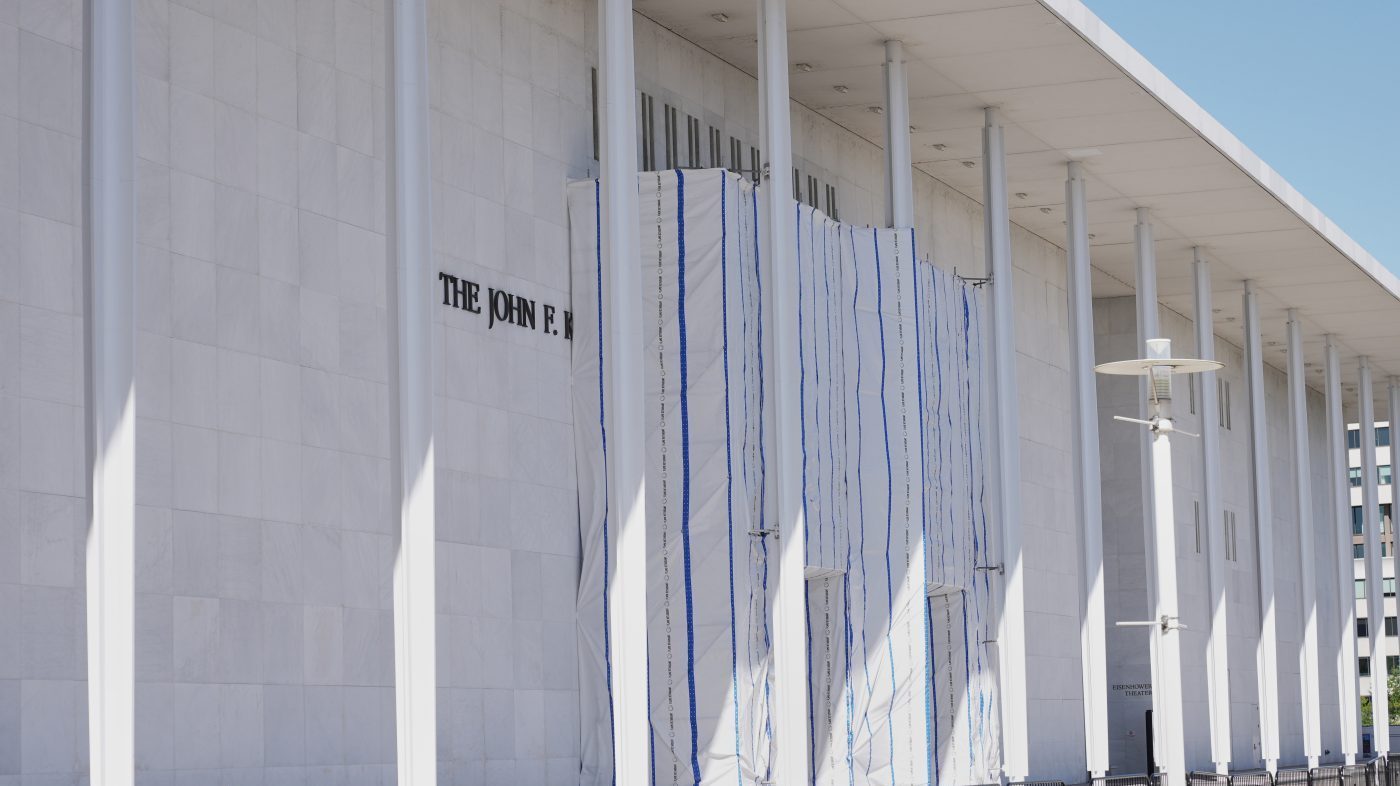
The Justice Department told a federal judge on Thursday that the Kennedy Center board acted reasonably when it voted to shutter the performing arts venue for a planned two-year renovation, arguing that the non-phased closure was designed to cut costs and reduce operational disruptions.
“The board's decisions here were reasonable, and they must stand,” DOJ attorney Will Jankowski said during a hearing before U.S. District Judge Christopher Cooper in Washington, D.C.
The hearing centered on the Trump administration's request to dissolve a preliminary injunction issued in May that had blocked the closure while permitting necessary maintenance and repair work. That injunction did not permanently bar the board from closing the center, but it required the board to independently balance its obligations before doing so.
Jankowski insisted the board had done just that, citing independent assessments from construction firms and real estate experts. The board, now controlled by Trump appointees, voted again in September to close the main building immediately, citing unsafe conditions due to structural damage.
Executive Director Matt Floca said in court filings that the decision to cut public access came after determining there were “acute risks to public safety” from the building's deterioration. DOJ lawyers have argued that the immediate closure was separate from the longer-term renovation plan.
But attorneys for Rep. Joyce Beatty (D-Ohio), an ex-officio board member who has led opposition to the changes, contend the closure is a pretext for financial mismanagement and was “foreordained” to please Trump. Beatty's legal team also noted that the board's December vote to add Trump's name to the facility triggered a wave of cancellations and withdrawals by performers and artistic partners, and that ticket sales and fundraising have plummeted since.
“We know that one of the reasons they want to close is because they face fiscal harms and embarrassment as a result of the renaming,” attorney Nathaniel Zelinsky said.
The dispute also involves White House communications. Beatty's team has sought records about Trump's involvement as board chairman, but the White House has asserted executive privilege over some of his communications. Judge Cooper ordered the Justice Department to submit those documents to him for private review by Friday.
Cooper appeared skeptical of both sides, asking Zelinsky what benefit would come from keeping the venue open if no performances were scheduled. “Wouldn't that cause even more financial deterioration at this point, regardless of who's to blame for it?” he asked.
The administration has not ruled out demolishing the building if the closure is blocked and Trump's name cannot be added. Trump was photographed looking at a poster board that appeared to say “Kennedy Center DEMOLISH,” and he told TIME magazine he wasn't committing to anything but that if he funded the center, the Trump administration should be recognized.
DOJ has argued that Trump's name is tied to fundraising, but Zelinsky accused the president of holding the institution hostage. “The president is putting a gun to the head of the center,” he said.
Jankowski countered that linking a donor's name to fundraising is common among nonprofits, but Cooper noted that this case involves a different scenario, where donations could be clawed back if certain outcomes don't happen. “How does that jive with one's fidelity to the trust?” Cooper asked.
The closure has forced the upcoming Kennedy Center Honors to relocate to Capital One Arena for the first time in history, honoring playwright David Mamet, songwriter Paul Anka, composer David Foster, actor Andy Garcia, and country singer Barbara Mandrell.
Cooper did not rule from the bench, saying he would decide “as soon as I can.” The case touches on broader tensions over Trump's influence on cultural institutions, similar to the judge's earlier block on the D.C. arch project and the Federalist Society's post-midterm uncertainty.