The House Ethics Committee on Thursday unanimously approved a series of rule changes designed to accelerate sexual misconduct investigations and make the process more transparent. The reforms, which passed without dissent, give the panel's leadership subpoena power, tighten deadlines for members to respond to investigative subcommittee findings, and formally codify the committee's practice of publicly disclosing any determination that a member engaged in sexual harassment or other sexual misconduct.
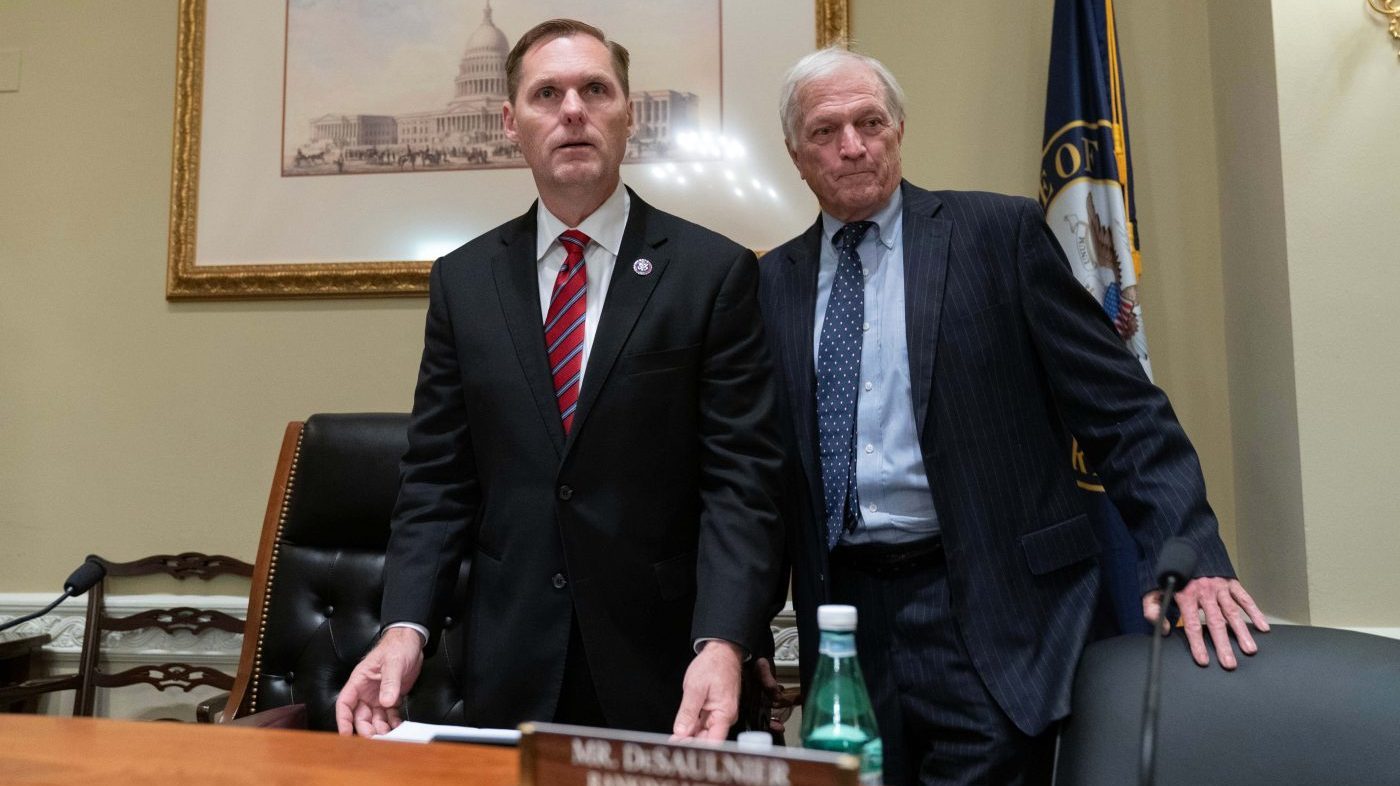
Committee Chairman Michael Guest (R-Miss.) said the changes balance efficiency with fairness. "We believe that these rule changes will provide more transparency. They will expedite our investigative process while maintaining protections for witnesses and victims, while also making sure that the process for the members themselves who are under the purview of this committee, that that due process is protected," Guest said during the public session preceding the vote.
The move comes amid mounting bipartisan pressure on the committee to act faster in cases involving lawmakers accused of sexual misconduct. A series of high-profile allegations have put the panel's historically secretive procedures under scrutiny, with critics arguing that lengthy investigations and opaque outcomes undermine public confidence.
Among the recent cases is that of outgoing Rep. Cory Mills (R-Fla.), whose ex-girlfriend accused him of harassment and threatening to release explicit images. Another former partner initially told police that Mills assaulted her in February 2025 but later recanted. Mills, who lost his state's GOP primary and will leave Congress in January, has denied all wrongdoing. The ethics panel has been investigating him since November 2025.
Earlier this year, the committee disclosed it was examining allegations that Rep. Jimmy Gomez (D-Calif.) violated House rules by engaging in inappropriate sexual contact with a staffer. Gomez has maintained that any interaction was consensual and within House rules, telling The Hill in August that his actions "were consensual in nature and haven't violated the law or House Ethics rules."
The pressure on the committee has also been fueled by the departures of former Reps. Tony Gonzales (R-Texas) and Eric Swalwell (D-Calif.), both of whom faced sexual misconduct accusations and resigned in April amid bipartisan calls for them to step down.
More recently, the House voted to censure Rep. Chuck Edwards (R-N.C.) in September after an ethics report detailed his "persistent unprofessional and inappropriate conduct towards two young female staffers." Edwards subsequently dropped his reelection bid.
Ranking Member Mark DeSaulnier (D-Calif.) expressed hope that the new rules would reinforce the committee's commitment to integrity. "We're hoping that all of these changes will reflect positively on the committee, and they should, and our staff, but also in the House as we do these improvements and look at further ways to make sure that the process is fair, transparent, and people are held accountable," he said.
The rule changes are part of a broader push for congressional ethics reform. Lawmakers have also called for an ethics overhaul across all three branches, and the White House has warned that Democratic-led probes could trigger criminal investigations.