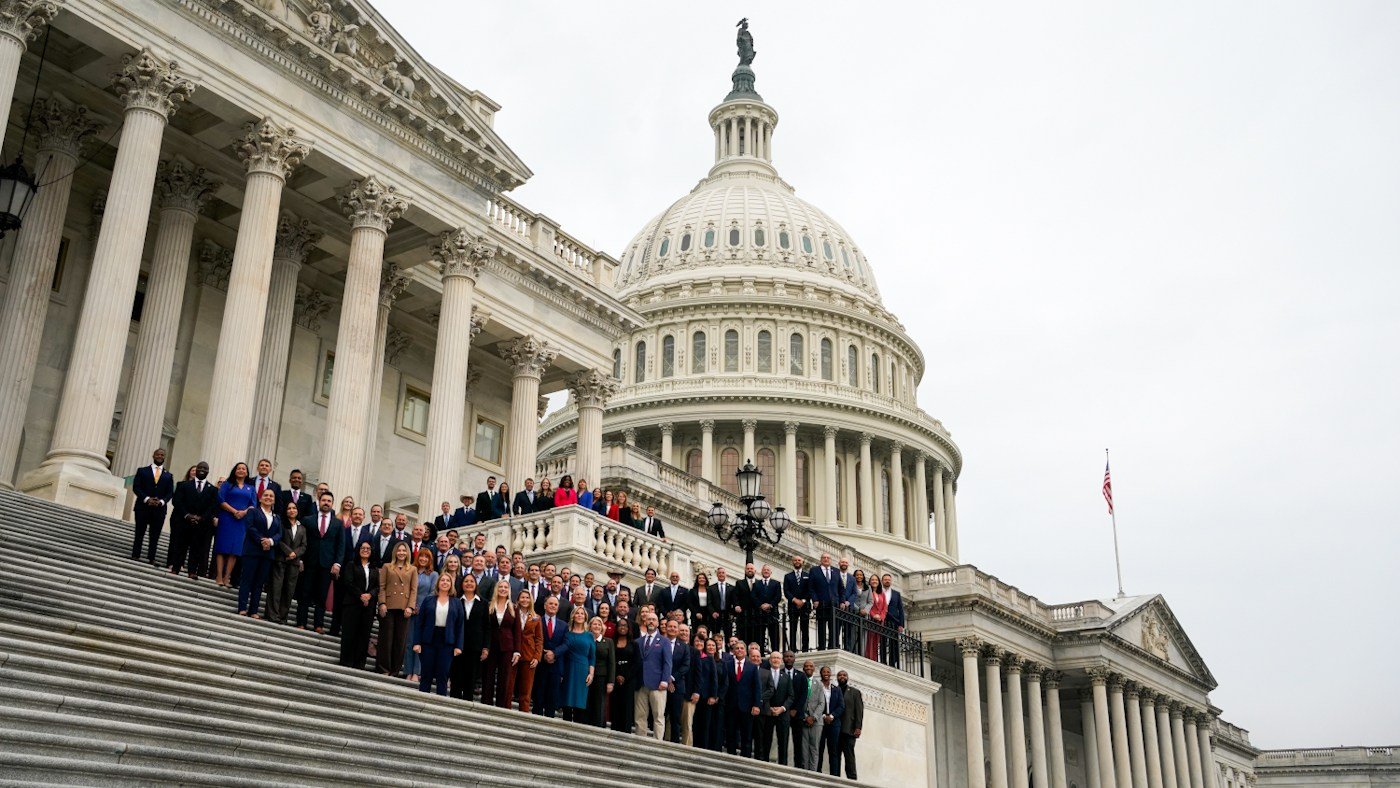
The midterm elections were not a mandate for vengeance but a demand for repair, according to a growing consensus among political analysts. With 89% of Americans believing government corruption is widespread, according to a September Gallup poll, voters sent Democrats to control both chambers of Congress. Even in Texas, Democrat James Talarico won statewide for the first time since 1994, reflecting the public's desire for systemic change.
The new Congress should resist the urge to retaliate against the Trump administration and instead focus on rebuilding public trust. A three-part ethics agenda—one for each branch of government—could be the cornerstone of that effort.
Congress: End Insider Trading
In February 2020, then-Senate Intelligence Committee Chairman Richard Burr (R-N.C.) sold up to $1.7 million in stocks after receiving secret briefings on COVID-19, while publicly projecting calm. The Justice Department declined to prosecute, leaving the 2012 STOCK Act as the only relevant law—a disclosure regime with a $200 late fee penalty that members routinely ignore. The outgoing House passed a watered-down ban tied to voter ID provisions, a poison pill destined to die in the Senate.
The new Congress should pass a clean bill prohibiting members, their families, and senior staff from trading individual stocks, requiring divestment into diversified funds or blind trusts. Violations should trigger profit disgorgement and meaningful fines. A public roll call vote would expose who supports keeping the trading desk open.
Supreme Court: Enforceable Ethics Code
Justice Clarence Thomas accepted luxury travel from billionaire Harlan Crow for two decades—private jets, superyacht cruises, and resort stays—without disclosure. The public learned of this via ProPublica, not the court. In November 2023, the justices adopted a “Code of Conduct,” but it lacks enforcement: no complaint mechanism, no investigator, no consequences. Every other federal judge is bound by an enforceable code; the nine most powerful are not.
Congress should enact a binding ethics code for the Supreme Court, with a complaint process overseen by senior lower-court judges, mandatory written recusal explanations, and a hard cap on gifts. Some justices claim Congress lacks power, but that’s false—Congress sets the court’s size, salaries, and appellate jurisdiction, and already applies the Ethics in Government Act’s disclosure requirements. If Senate Republicans filibuster judicial ethics, they should do so publicly.
Executive: Stop Selling Access
President Trump’s second term began with a black-tie dinner at his Virginia golf club for the 220 largest holders of $TRUMP, a meme coin launched days before his inauguration. Buyers poured an estimated $148 million into the coin for a seat at the table; the top 25 received a private reception and a White House tour. Nineteen of the top 25 bought through foreign exchanges closed to Americans. The largest buyer, Justin Sun, a Chinese-born crypto billionaire, saw his SEC securities-fraud case put on ice after Trump took office. Access was literally sold on a leaderboard.
In an earlier era, this would have triggered a select committee. The new Congress should follow the money with methodical subpoenas, then legislate to prevent recurrence. It should give the Emoluments Clause statutory teeth, end the president’s exemption from federal conflict-of-interest laws, and require divestiture or a genuine blind trust. New legislation should ban senior executive officials and their families from issuing, promoting, or profiting from digital tokens or accepting foreign-government investments while in office. It should also restore the independence of inspectors general purged in Trump’s first week.
Such measures may draw a presidential veto, but a vetoed ethics bill can be overridden or used as a campaign issue in 2028. As Governor Shapiro noted, corruption claims against Trump are hard to dismiss.
Why Ethics First?
First, to restore public confidence. Trust in government is at historic lows; no policy agenda on healthcare or the economy will stick if voters believe officials are on the take. Ethics reform is the foundation, not a distraction. Second, prevention: a stock ban, an enforceable judicial code, and a presidential conflict statute would have made the three scandals above illegal or impossible. Third, it aligns the U.S. with allies: Canadian ministers must divest or blind trust holdings, British MPs must register financial interests, and Germany has similar rules. As Democratic rifts widen, a unified ethics push could bridge divides. Even Federal Reserve Chair Warsh’s disclosure of his wife’s investments shows the importance of transparency.
The new Congress has a clear mandate: act on ethics now.