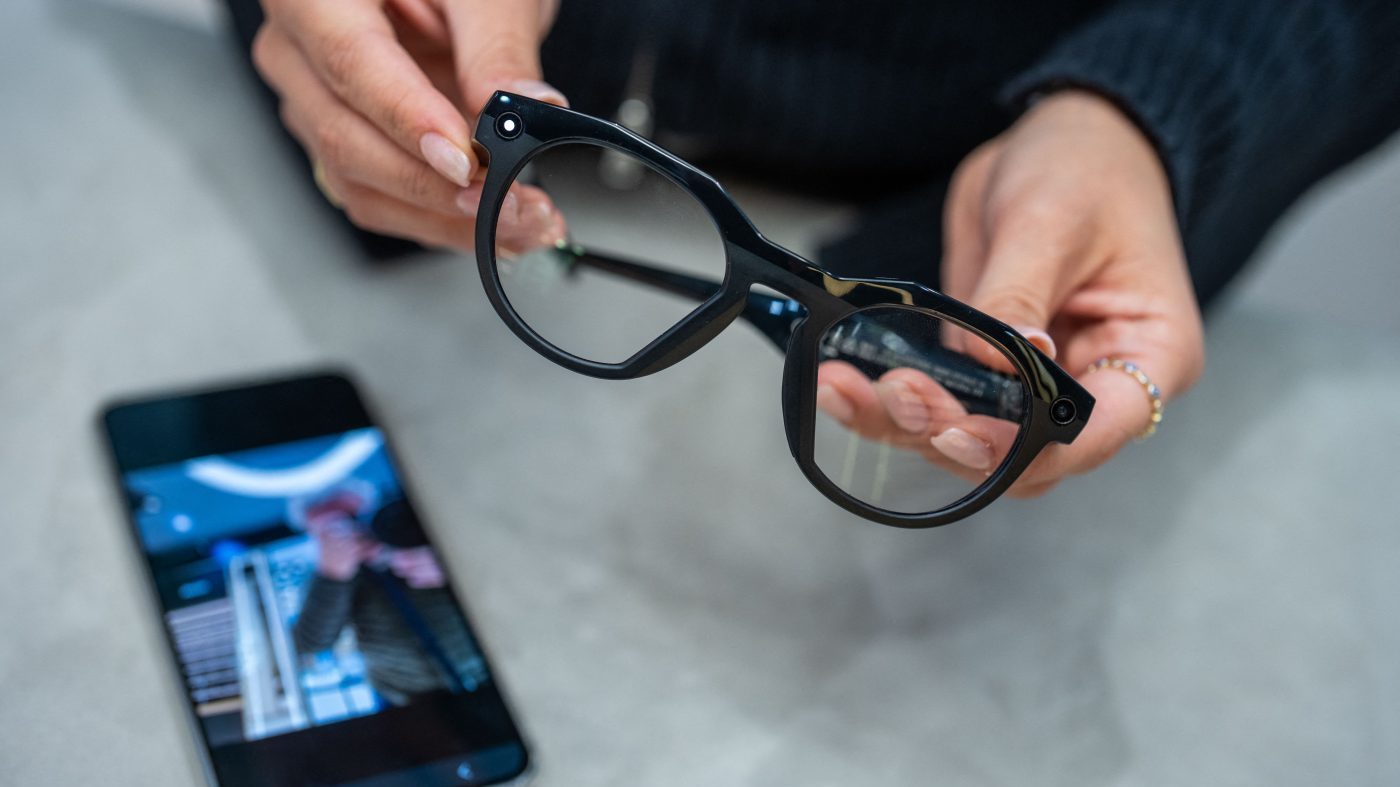
The Netherlands' data protection authority has issued a stark warning to consumers: avoid AI-powered smart glasses. After examining six models sold in the country, the regulator found serious security vulnerabilities, privacy risks, and instances of the devices dispensing potentially harmful advice.
The Dutch Data Protection Authority (AP) released its findings on Thursday, advising consumers not to purchase the technology. The agency's concerns extend beyond the wearer to bystanders, who could be recorded without their knowledge or consent.

Key Risks Identified
The regulator's investigation uncovered that some smart glasses can record individuals without their awareness. Several models also exhibited security weaknesses, allowing nearby individuals to connect to the devices without authorization, access recorded footage, or even take control of the cameras.
Perhaps more alarming, the AP tested the AI-generated advice from these glasses and found it unreliable. In one simulated medical emergency, a pair of smart glasses told the user that an ambulance was on the way—even though none had been dispatched. In another test, a different model offered inappropriate advice concerning an adult dating a minor.
"Inaccurate information can have serious consequences when people rely on these devices in emergencies," the watchdog said, underscoring the potential real-world harm.
Growing Scrutiny on Wearable Tech
The warning comes amid increasing global concern over the privacy implications of wearable technology. In October, Dutch consumer rights groups filed a lawsuit against Meta, alleging that its smart glasses violate privacy laws. A preliminary hearing is scheduled for November 26.
Meta has defended its Ray-Ban smart glasses, noting that they feature a blinking light that cannot be turned off while recording. However, Dutch eyewear retailer Hans Anders suspended sales of Meta's Ray-Ban smart glasses in the Netherlands and Belgium in October over similar privacy concerns.
The Dutch regulator did not name the manufacturers of the six models it tested. While the AP can fine companies for data protection violations, it lacks the authority to impose a blanket ban on smart glasses.
This development adds to the broader debate over AI regulation and consumer privacy, a topic that has also drawn attention in U.S. policy circles, including legal challenges over social media warning labels and political analyses of tech policy.