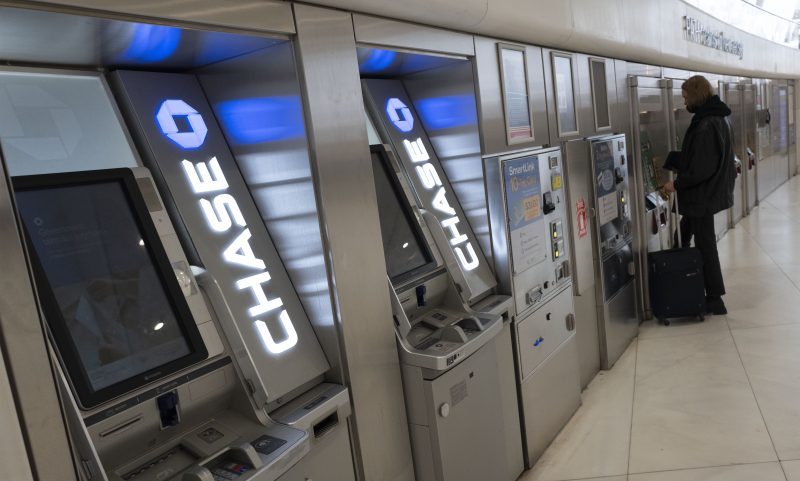
In a five-day stretch, Americans faced cascading failures in essential digital infrastructure. Microsoft 365 went down for nearly a day, disrupting email and collaboration tools. The Federal Aviation Administration halted nationwide departures after a telecommunications network glitch. Three days later, Chase Bank customers couldn't move their own money.
So far, no cyberattack has been blamed. Microsoft says it found no evidence of one. Chase insists its issue wasn't cyber-related. The FAA reports no signs of a hack, pointing instead to a remote radio site where a contractor had been working. Federal officials say they see no connection between the incidents or signs of an adversary.
That should worry us more than it seems to.
Over the past two decades, organizations have invested heavily in cybersecurity—building threat intelligence teams, running penetration tests, and monitoring hostile traffic. Those defenses matter because external threats are real. But by the companies' own accounts, at least two of these disruptions didn't start outside the perimeter. They began during planned technical work. The danger wasn't a sophisticated attacker—it was a routine upgrade.
Vincent E. Bianco III, a retired FAA air traffic manager with 23 years of experience, argues in a recent analysis of tech outages that the real systemic risk lies in change management. "A firewall can block hostile traffic," he writes. "But none of those controls asks whether maintenance should happen in the middle of a Friday."
The FAA says a contractor deployed a new router at a remote communications site—one of two potential sources of the trouble. Microsoft blames a latent defect exposed by a planned network capacity upgrade. Chase cites a software bug. Two of three incidents are tied to planned work by their owners' own admission.
Aviation learned this lesson long ago. The FAA's safety management order, effective September, requires a management official to sign off on any planned change before it goes live. Federal bank examiners have similar guidance. But a procedure on paper isn't accountability in practice. "Routine" is the most dangerous word in any operation, Bianco warns. Novel changes get scrutiny; routine ones get a nod because they worked the last hundred times. The hundred-first makes headlines.
Congress is promising oversight. The questions they should ask: What changed? Who approved it? What testing was done against the live network? Bianco says these aren't technical questions—they're leadership questions. Microsoft has released a preliminary post-incident report. The FAA and Chase should do the same, in language customers and regulators can understand.
More money won't fix this alone. A new vendor or a taller firewall won't either. The next major disruption may not require an enemy at all—just a work order and nobody clearly accountable for the result.