A wave of technology outages that disrupted banks, government agencies, and major tech firms has sparked public speculation about an AI-driven “doomsday,” but officials and cybersecurity experts say the real cause is more mundane: a surge in AI-assisted vulnerability discovery leading to rushed, simultaneous system patches.
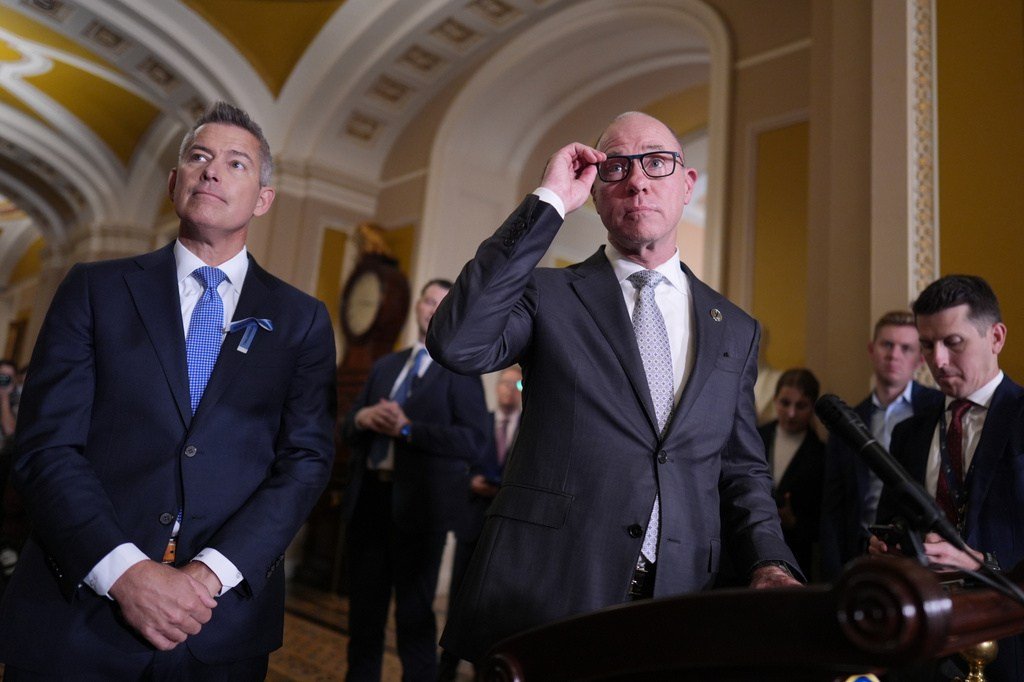
In a briefing to lawmakers on Wednesday, Trump administration national security officials said the incidents were not the result of cyber attacks but rather the “result of upgrades of the systems being patched, hardware being applied,” according to a White House official. The official added that there is “no indication” of malicious activity, pointing to companies’ disclosures that all the outages fall “in the upgrading and patching realm.”
Cybersecurity experts largely agree, noting that while AI is a factor, it is not in the way many feared. Instead, AI tools are accelerating the discovery of software vulnerabilities, forcing organizations to implement emergency patches that may not undergo full testing. “It is easy to treat the emerging technology landscape and AI in particular as a scapegoat,” said Randy Rose, vice president of security operations at the Center for Internet Security (CIS). “But we’ve known for a very long time that there are challenges in the software supply chain.” He described a “compounding thing” where “accelerated AI-assisted vulnerability discovery” coincides with ongoing modernization efforts.
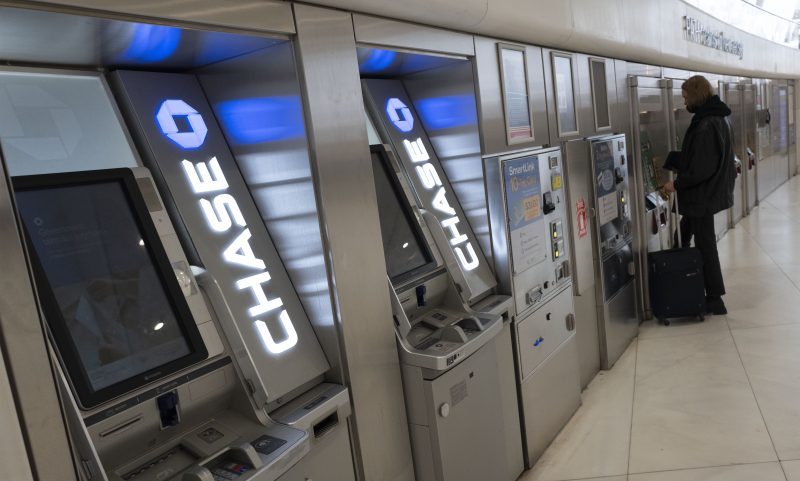
The outages over the past six days hit the Federal Aviation Administration, causing a rare nationwide ground stop, as well as the National Security Agency’s classified network, Microsoft, Apple, and various banks. The simultaneous disruptions fueled panic online, with some users stocking up on essentials amid fears of an infrastructure collapse, and prompted bipartisan pressure on the administration for answers. The political fallout has been significant, with lawmakers demanding transparency.
Nick Carroll, a cyber incident response manager at Nightwing, explained that AI tools are now able to “go through this code in a way people traditionally have not had time to dig through,” uncovering vulnerabilities that may have existed for years. He attributed the simultaneous nature of the outages to “unfortunate coincidences” and the year-end rush to upgrade systems before the holidays. “Everybody starts to rush, things kind of go wrong,” he said.
The pressure to patch quickly has intensified as hackers also use AI to exploit flaws. Carroll noted that companies used to have a “very lengthy window” to test patches, but “that’s starting to dry up for a lot of organizations.” Josh Bressers, director of coordinated vulnerability disclosure at VulnCheck, wrote on LinkedIn: “The simple explanation is we’re finding more vulnerabilities (and faster) with AI. Fixing them is still hard and a completely different story.” He added that security teams are “well past the point of being able to ‘patch faster,’ and the uncomfortable truth is this is the new normal for the foreseeable future.”
The Cybersecurity and Infrastructure Security Agency (CISA) issued a warning Tuesday about a critical vulnerability in the Java programming language, discovered with AI assistance. The incident underscores the dual-edged nature of AI in cybersecurity: it can identify flaws before attackers exploit them, but it also creates a constant state of emergency patching. Some officials see progress in this proactive approach, while others worry about the operational strain.
As the administration works to contain the narrative, the White House is scrambling to manage the fallout. The episode highlights a new reality: AI is reshaping cybersecurity, but not in the apocalyptic way some feared. Instead, it is creating a steady drumbeat of disruptions that test both technical resilience and political messaging.