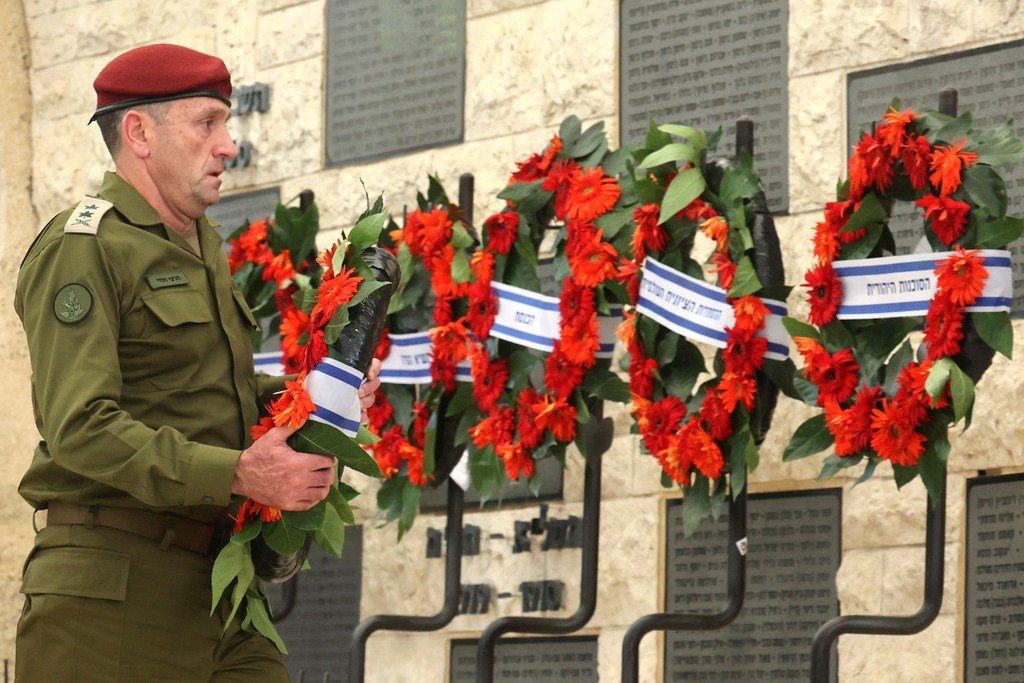
Wednesday marks three years since the Oct. 7 massacre, the deadliest day for Jews since the Holocaust. When Hamas terrorists breached southern Israel, killing roughly 1,200 people at a music festival and in their homes, and taking 251 hostages into Gaza, I recognized the pattern immediately.
I had lived through it before. On June 11, 2003, a Hamas suicide bomber detonated on my Jerusalem bus, killing 17 and wounding over 100. I survived. Two years earlier, I worked blocks from the World Trade Center on 9/11.
These attacks share a template that the world has been slow to grasp. Three years on, the lessons remain unlearned. Much of the globe filed Oct. 7 under "Middle East conflict," a convenient but false framing. The deliberate targeting of civilians, the livestreamed brutality, the hostage-taking, and the online glorification that turned atrocity into recruitment material were never confined to one region. Terrorism studies what works and exports it.
That ideology has struck far from Israel. On New Year's Day 2025, an ISIS-inspired attacker drove a truck into crowds on Bourbon Street in New Orleans, killing 14. From Washington, D.C., to Manchester to Bondi Beach, synagogues and public spaces have become targets. The script is familiar: shock, vigils, brief security debates, then moving on without confronting the jihadist network and its justifying ideology.
Three Urgent Lessons
For over two decades, I have sat with survivors from London, Paris, Mumbai, Bali, Boston, and Israel. Their stories differ, but the lessons converge. First, call terrorism what it is. After Oct. 7, some respected institutions hesitated to use the word. Murdering families in their homes was framed as "resistance" or "context." Last week, a pilot's attempt to crash a plane full of civilians was initially called a "security incident" or a "scuffle in the cockpit." Blurring the line between grievance and murder signals to future attackers that their violence will be debated, not condemned.
Second, stop funding your enemies. Terrorism is an enterprise that runs on money. The tunnels and rockets of Oct. 7 were built over years in a territory that received billions in international aid, while Hamas diverted concrete, fuel, and cash meant for civilians. The United Nations itself fired UNRWA staff over evidence of participation in the massacre. Well-meaning donor money, through diverted aid or payments to attackers' families, often strengthens groups that target donors' citizens. I learned this firsthand when I joined the parents of Taylor Force, an American killed in a terrorist attack in Israel, in suing my own government to enforce the Taylor Force Act. Survivors should not have to go to court. Every democracy must strengthen oversight of who its foreign aid empowers.
Third, treat recovery as national security. Terrorists seek to instill fear, break families, and erode trust in institutions. Nations have improved at the immediate response, but remain terrible at the long aftermath. Survivors lose jobs, struggle with untreated trauma, and navigate a maze of agencies alone after the cameras leave. A society that visibly stands with victims for the long haul is harder to terrorize.
Israel has become the world's most experienced practitioner in these areas, with advances in trauma and bereavement care since Oct. 7 offering lessons for all. Other nations needn't agree with every Israeli policy to learn from that experience. Refusing to because of its source is a luxury no government can afford.
Anniversaries invite speeches. I'd rather they invite accountability. The question isn't only how we remember the murdered and kidnapped, but whether we will admit that what happened was not a regional tragedy, but a warning addressed to all of us—and whether we are finally ready to act like it.
Sarri Singer is founder and director of Strength to Strength, a nonprofit uniting international victims of terrorism. She survived a bus bombing in Jerusalem in 2003 and was a plaintiff in the lawsuit that led to a 10-year commitment to enforce the Taylor Force Act.