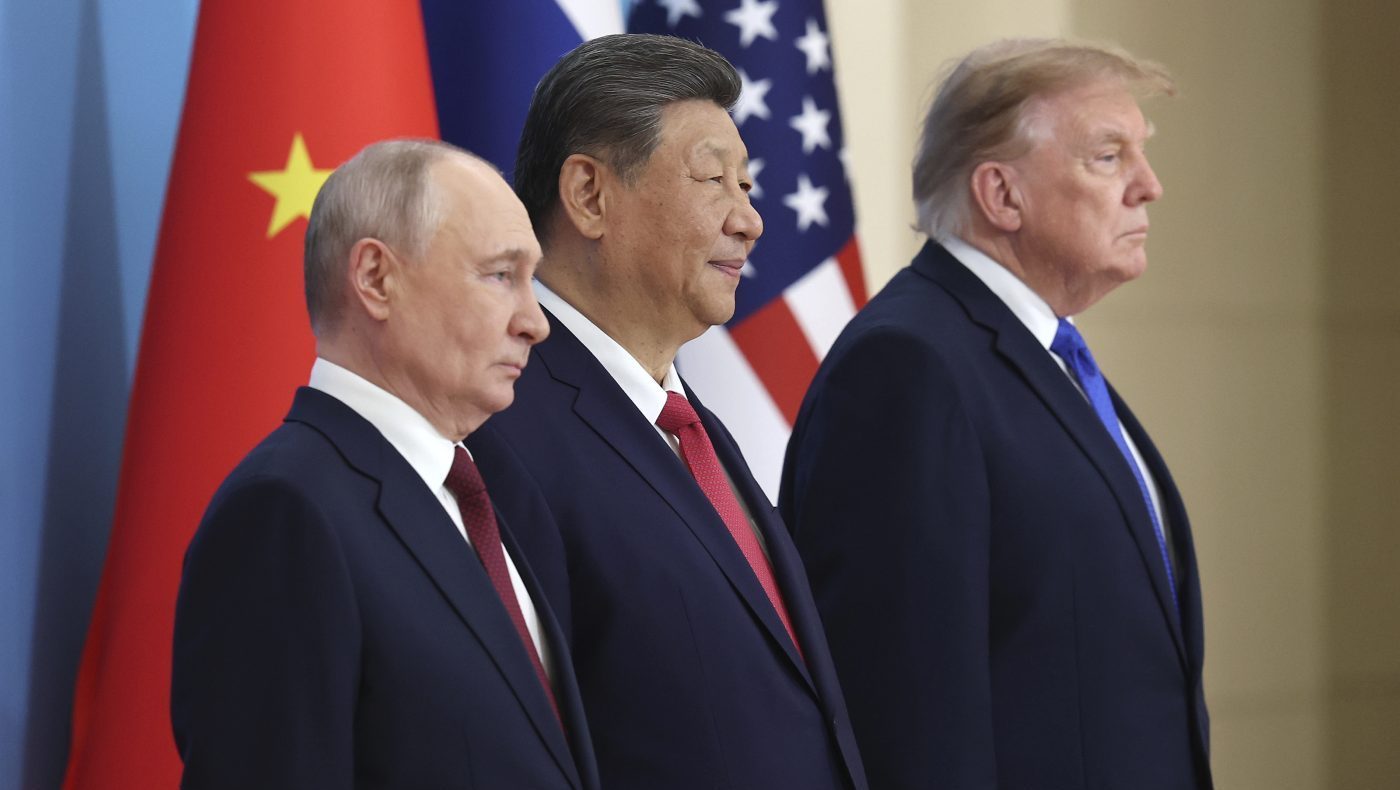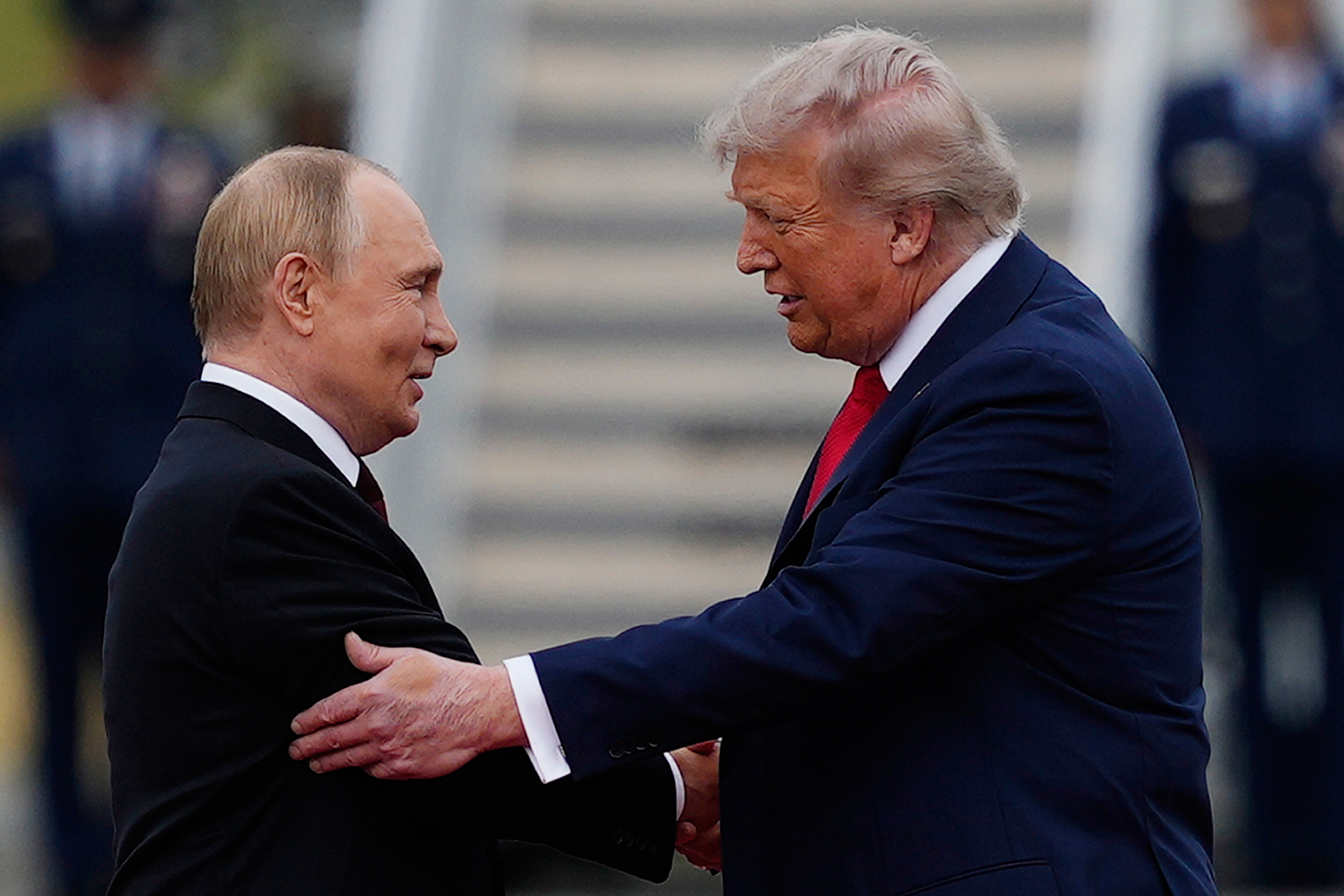
President Trump's much-touted deal to import Russian diesel has collapsed, a development that analysts say represents a significant victory for Ukraine's fight against Moscow's invasion. The plan, announced last month alongside Russian President Vladimir Putin, was intended to ease U.S. fuel prices but instead unraveled as American companies refused to touch what critics dubbed "blood diesel."
Tankers that had loaded at the Russian Baltic port of Primorsk were forced to seek buyers elsewhere, with some turning toward South America, another heading into the Mediterranean, and others drifting in the Atlantic. The reason: U.S. importers, port operators, and terminal managers balked at handling the cargo, wary of both legal consequences and reputational damage from violating the international sanctions regime.
The episode underscores the limits of presidential power when it comes to dismantling sanctions, even as Trump's political standing faces new scrutiny. Congressional pressure from both parties, which had labeled the deal illegal, played a decisive role in convincing companies to steer clear. The administration's attempt to project an image of putting American consumers first was undercut by the fact that the volume of diesel involved was negligible compared to U.S. demand.
Sanctions as a lifeline for Ukraine
The failed deal was more than a political stunt. It was a direct challenge to the sanctions that have been a cornerstone of Western support for Ukraine. By seeking to carve out an exception for Russian energy, Trump was effectively undermining the very tools that have helped constrain Putin's war machine. Ukrainian President Volodymyr Zelensky has been blunt about the stakes: if the U.S. aligns with Russia, Ukraine cannot prevail.
Zelensky has signaled openness to negotiations, but a peace imposed on Moscow's terms—one that excludes a European security force—would likely lead to full Russian occupation and the end of Ukrainian statehood. That outcome, as the original commentary noted, would be a peace worse than war.
Russia's brutal occupation tactics
The urgency of preventing such an outcome is underscored by Russia's record in occupied territories. Reports from human rights groups and journalists document a campaign of repression: detention, torture, and execution of Ukrainian military officers, cultural figures, and local leaders; the banning of the Ukrainian language; the torture of journalists and writers; and the killing of dozens of priests. These "cleansing operations" mirror the Soviet Union's atrocities in Poland during World War II, including the infamous Katyn Forest massacre, where Stalin's secret police executed thousands of Polish officers and intellectuals.
That history is why the collapse of the diesel deal matters, according to Gregory J. Wallance, a former federal prosecutor and author of "Into Siberia: George Kennan's Epic Journey Through the Brutal, Frozen Heart of Russia." Had American dollars flowed to Moscow, the psychological and practical blow to Ukraine and its allies would have been severe.
Instead, the sanctions regime remains intact, and Ukraine's defenders can claim a rare win. The war hangs in the balance, but this episode shows that resistance to appeasement can still prevail.