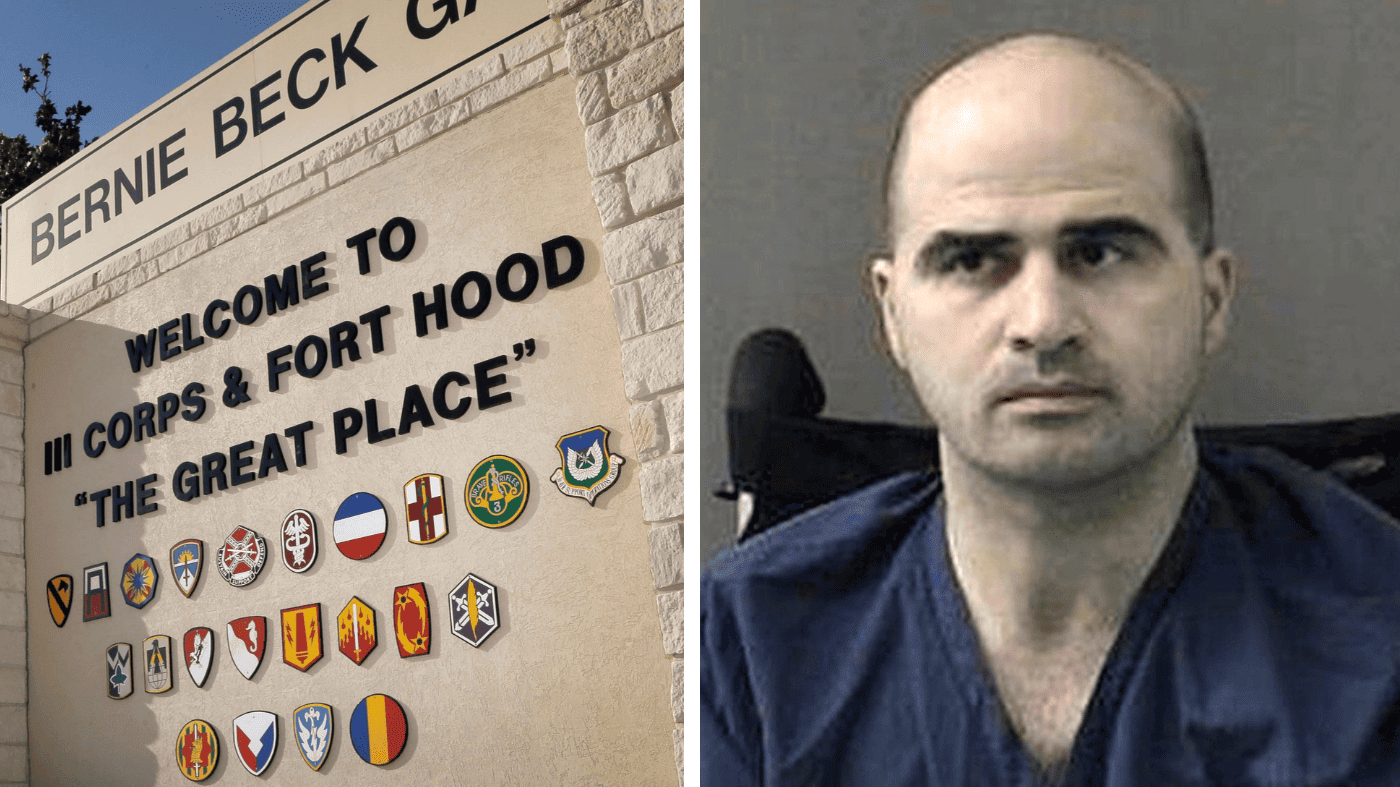
The U.S. Army has set a December execution date for Nidal Hasan, the former military psychiatrist convicted of killing 13 people in the 2009 Fort Hood shooting. According to a memo obtained by NewsNation, the execution is scheduled for Dec. 3 at 1 p.m. CDT at Fort Hood, now known as Fort Cavazos, in Central Texas.
The announcement follows a social media post by Pentagon spokesperson Sean Parnell on Monday, in which he revealed that Defense Secretary Pete Hegseth had recommended the death penalty and President Trump had approved it. Parnell, a potential candidate for Army secretary, wrote on X: "Secretary of War Pete Hegseth has recommended — and President Donald J. Trump has approved — death by U.S. Army firing squad for convicted terrorist Nidal Malik Hasan, the jihadist who opened fire on unarmed American soldiers at Fort Hood in 2009."

Hasan, a U.S. Army major at the time, carried out the attack on Nov. 5, 2009, killing 13 and wounding more than 30 others. Witnesses reported that he shouted "Allahu Akbar" during the rampage. The shooting occurred just weeks before Hasan was scheduled to deploy to Afghanistan, and he later said he acted in response to U.S. military operations in Iraq and Afghanistan.
During his 2013 court-martial, Hasan chose to represent himself and made a startling opening statement: "The evidence will clearly show that I am the shooter." He added, "We are imperfect Muslims trying to establish the perfect religion … I apologize for any mistakes I made in this endeavor."
The execution method—death by firing squad—is rare in the U.S. military, which has not carried out an execution since 1961. The last federal execution was in 2021, but military executions are governed by separate protocols. The Army's decision to use a firing squad has drawn attention amid ongoing debates over capital punishment, particularly following recent botched lethal injections in civilian cases.
Hasan's case has been politically charged, with some lawmakers calling for swift justice. The execution date comes as the death penalty faces renewed scrutiny after Tennessee's failed execution attempt of Christa Pike, which led to a temporary pause in that state's executions. That incident has fueled broader questions about the reliability of execution methods.
Legal experts note that military executions require extensive appellate review, and Hasan's case has been tied up in appeals for years. However, the Pentagon's announcement suggests the process may be moving forward. If carried out, Hasan would be the first U.S. military execution in over six decades.
The Army has not commented further on the timeline, but the memo indicates that preparations are underway. Family members of the victims have expressed mixed reactions, with some welcoming the long-awaited justice and others concerned about the potential for further delays.
As the date approaches, the case is likely to reignite national debate over the use of the death penalty in military justice, especially in terrorism-related cases. The botched execution in Tennessee has already raised questions about lethal injection protocols, but the military's choice of a firing squad sidesteps those issues, though it brings its own ethical considerations.
Hasan remains on death row at Fort Leavenworth, Kansas. His execution, if it proceeds, would mark a historic and contentious moment in U.S. military justice.