At the June 2025 Hague Summit, NATO allies agreed to allocate 3.5% of GDP to core defense needs by 2035, with an additional 1.5% for broader security-related expenditures. The stated goals include protecting critical infrastructure, securing networks, enhancing civil preparedness, fostering innovation, and reinforcing the defense industrial base. Yet the accord left unanswered how these funds will be used to maximize the alliance's collective defense efficiency.
The spending increase is a positive step, driven by heightened concerns over Russian aggression and pressure from President Trump, who has threatened to abandon allies that fail to boost their military budgets. However, analysts caution that more money does not automatically translate into stronger defense capabilities. For decades, European NATO members have struggled with duplication and inefficiency, as national rivalries and a desire to protect domestic industries have led to multiple competing versions of aircraft, ships, submarines, and other equipment.

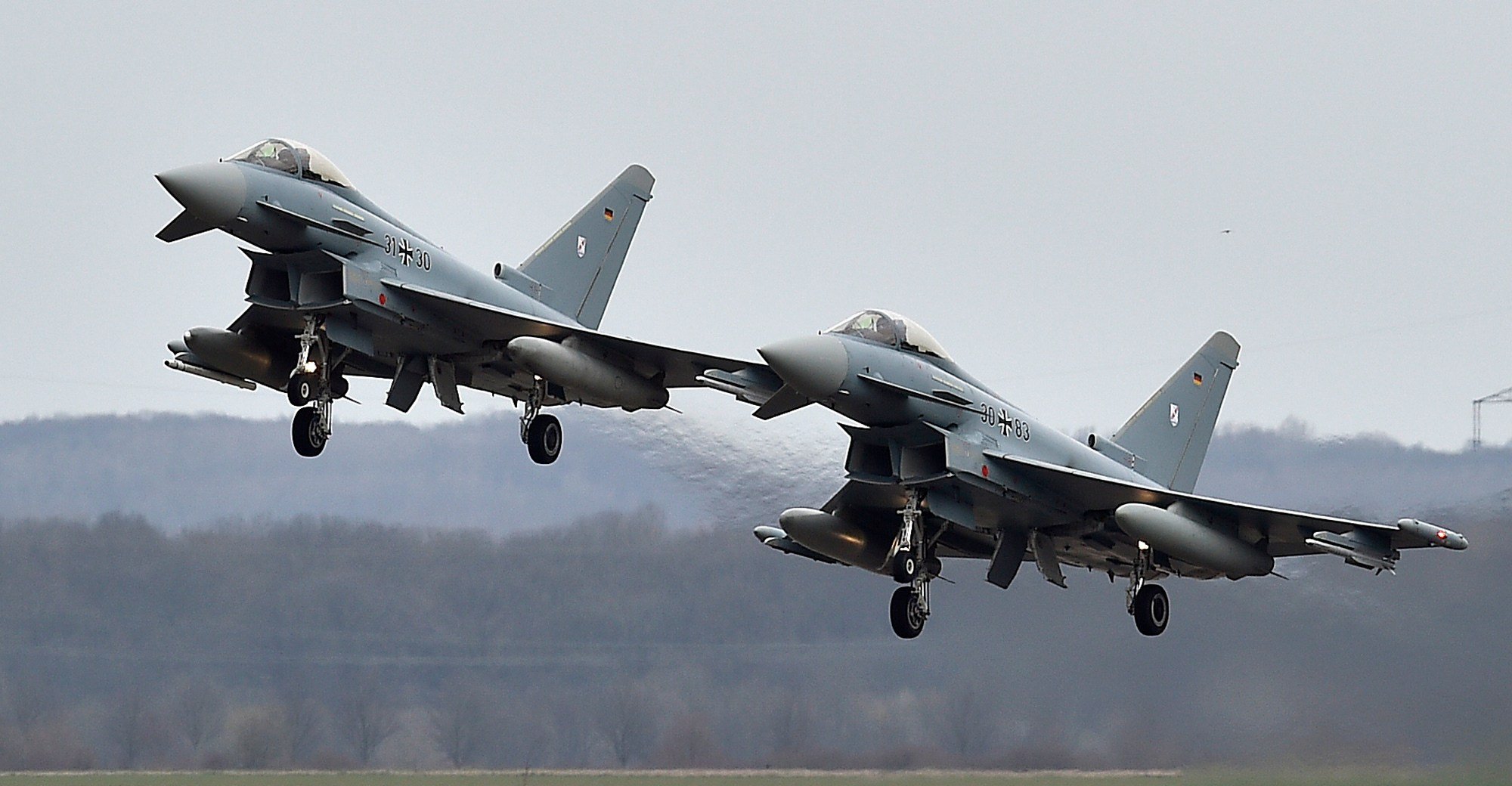
Recent developments in fighter jet production illustrate the persistent challenges. The Financial Times reported that Italy rebuffed a British proposal to include Germany in the Global Combat Air Program (GCAP), a sixth-generation fighter project involving the UK, Italy, and Japan. The program is seen as a hedge against reduced U.S. involvement in Europe and Asia, offering an alternative to American aircraft. Italy and Japan reportedly feared that German participation, particularly from Airbus, would reduce work for their own aerospace firms. Instead, they offered Germany only observer status, a move Berlin is unlikely to accept.
Germany had previously exited the Franco-German-Spanish Future Combat Air System (FCAS) over disagreements on leadership, workshare, and mission requirements. Paris favored a smaller carrier-capable jet, while Berlin wanted a larger aircraft for land-based air superiority. Chancellor Friedrich Merz even questioned whether a manned fighter would be needed in two decades, given the costs. Although Berlin later reconsidered, the workshare issue remains unresolved.
The Italian Defense Ministry denied the report, stating that observer status was offered to Germany to facilitate information sharing and speed up its eventual full membership. The ministry insisted the offer was not meant to limit Germany's role but to protect the program's timeline. However, the denial left room for ambiguity, as safeguarding the schedule could be used to justify excluding Germany if delays occur.
These disputes highlight broader problems in Europe's defense industrial base. The continent still lacks key capabilities such as airlift, intelligence, surveillance, and reconnaissance, and its fragmented production lines increase costs and reduce interoperability. As a result, European allies remain dependent on American military hardware, despite Trump's pressure to buy more U.S. systems.
The GCAP and FCAS programs represent Europe's desire to reduce reliance on the U.S., but the infighting over participation and workshare underscores the difficulty of achieving industrial consolidation. Without meaningful reform, Europe's increased spending may not yield the expected improvements in defense readiness.
Observers argue that unless NATO allies rationalize their industrial production, they will continue to rely on American contractors, regardless of political preferences. As the alliance faces new security challenges, including cyber threats to critical infrastructure, the need for a cohesive and efficient defense industry becomes more urgent.