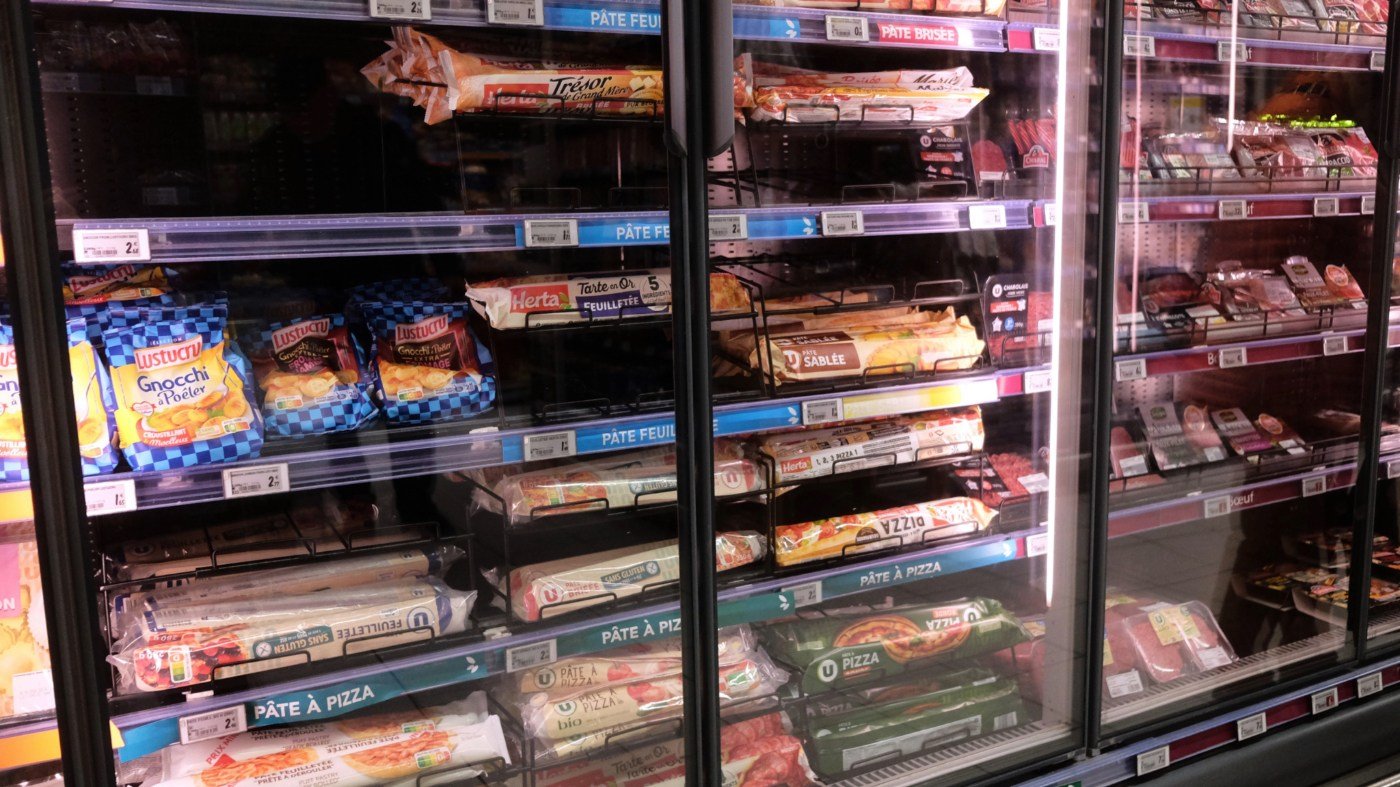
A wave of cyberattacks across Europe has exposed critical weaknesses in the infrastructure that delivers food from farms to consumers. In October, hackers breached the refrigeration systems of hundreds of French grocery stores, causing temperatures to soar to 122 degrees Fahrenheit and spoiling hundreds of pounds of food. The affected companies reported losses in the millions of euros. By November, similar incidents had struck six other European Union countries.
These attacks demonstrate that cybercriminals can now disrupt food supplies with minimal effort. But governments risk exacerbating the problem by imposing cybersecurity rules that prioritize national solutions over interoperability, potentially undermining the resilience of the very supply chains they aim to protect.

The Pentagon has acknowledged the threat, revealing that at least six U.S. military commissaries experienced similar refrigeration outages in August. Investigations traced the affected systems to Danish manufacturer Danfoss, which attributed the breaches to outdated legacy software.
Cybersecurity researchers have highlighted how easily these attacks were executed. France's Predicta Lab found that 2,752 Danfoss systems were accessible on the open internet. Claroty, a New York-based firm, used Anthropic's Claude AI models to identify two vulnerabilities in Danfoss systems in just 28 minutes, at a cost of only $6.
This incident underscores the growing reliance of the agribusiness sector on Internet of Things (IoT) devices, from autonomous farming equipment to supply chain management systems. Their interconnectedness amplifies the risk of cyber disruptions.
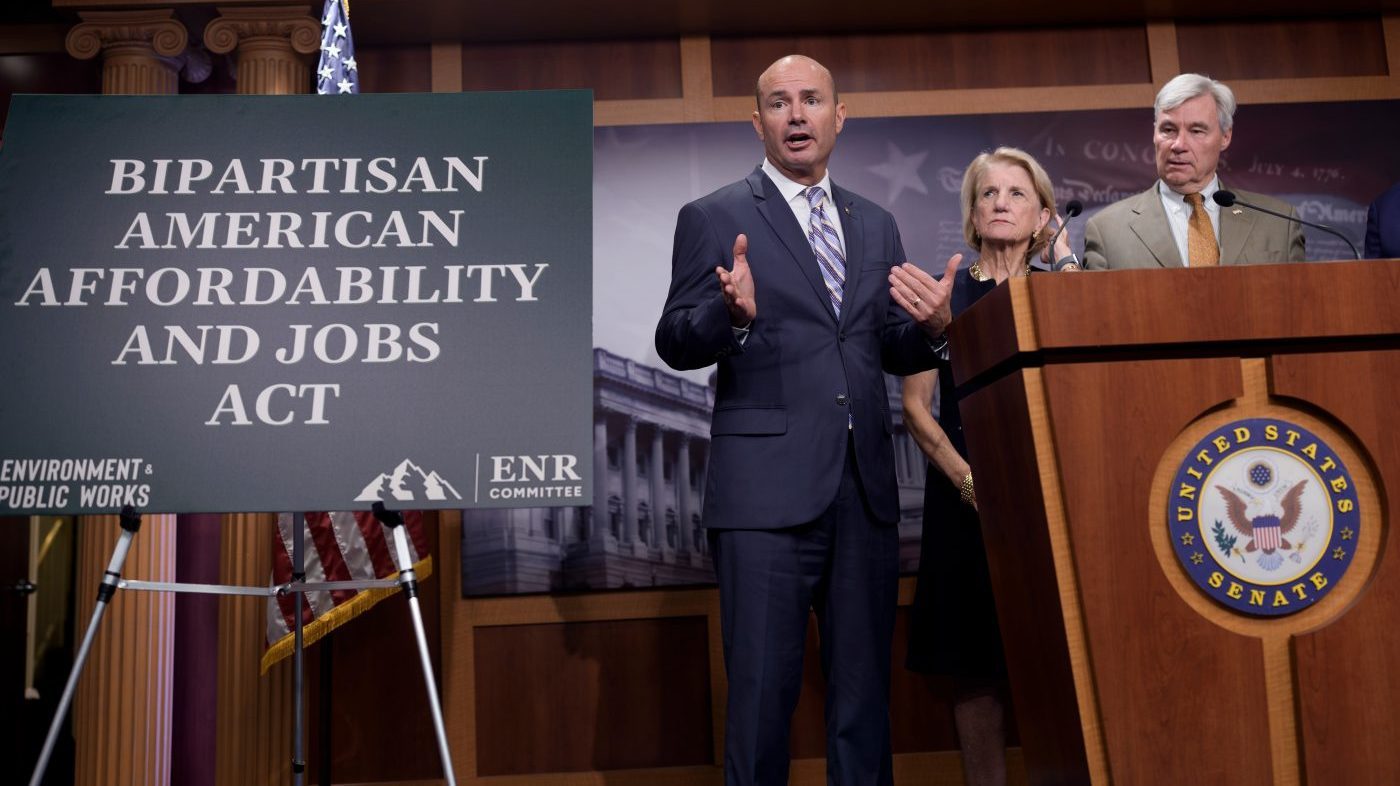
Congress has taken notice. In January 2025, the Farm and Food Cybersecurity Act was introduced, directing the Department of Agriculture to assess vulnerabilities in food and agriculture infrastructure and to coordinate annual crisis simulations with other federal agencies. These are sensible steps, but the threat is not just technical—it is also regulatory.
Governments may be tempted to require that imported refrigeration controllers, industrial sensors, and logistics platforms meet new national cybersecurity standards. The United States could adopt its own technical regulations and certification processes, while the EU and other trading partners might pursue different approaches. Such fragmentation would force suppliers to navigate multiple compliance regimes, leading to delays, higher costs, and fewer options. Manufacturers might divert resources from fixing actual vulnerabilities to satisfying bureaucratic checklists—hardly a recipe for resilience.
This risk is not hypothetical. The EU's Cyber Resilience Act already establishes cybersecurity standards and certification procedures for connected products, creating additional regulatory hurdles for foreign manufacturers. Unless Washington and Brussels coordinate, manufacturers could face costly redundancies. The U.S. IoT Cybersecurity Improvement Act of 2020, which focuses on federal procurement, offers a more limited approach. If the U.S. moves toward broader requirements, it must ensure cross-border compatibility for access controls, security updates, vulnerability disclosures, and incident reporting. Where different systems achieve equivalent security outcomes, regulators should recognize that equivalence, including through mutual recognition agreements with trusted allies.
International standards, such as those from the National Institute of Standards and Technology, provide a flexible starting point. Governments must retain the ability to exclude genuinely unsafe equipment, but requirements should target demonstrated vulnerabilities rather than favor domestic suppliers. As farm trade policy evolves, cybersecurity must not become a new trade barrier.
Cybersecurity standards must also reflect the realities of American agriculture. Small family farms account for 86 percent of farms but only 17 percent of production value. Many lack resources to replace vulnerable equipment or hire cybersecurity experts. The Cybersecurity in Agriculture Act would establish regional centers to develop security tools and train operators. Congress should also ensure that manufacturers bear responsibility for secure design and software updates.
Washington has long warned about the dangers of global supply chain dependence, but the answer is not to fragment those chains into national silos. A coordinated approach—one that balances security with interoperability—is essential to protect the food supply without undermining trade. As tech outages become more common, the stakes for food security are higher than ever.