The Pentagon is escalating its military campaign against drug cartels in South America, expanding operations that have included strikes on suspected drug vessels and now embedding special operations forces with partner nations' security forces.
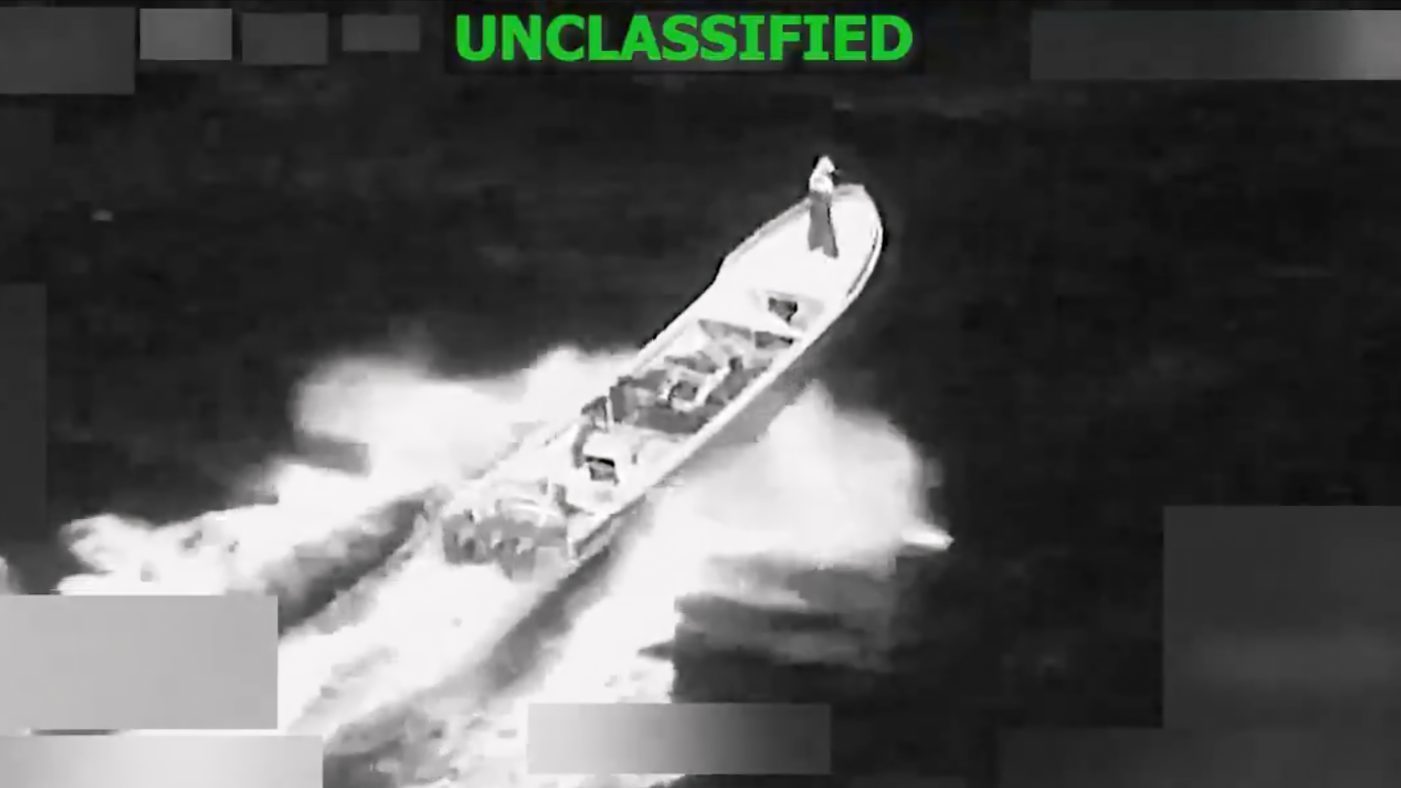
Under Defense Secretary Pete Hegseth, the U.S. military has for over a year conducted strikes on suspected drug boats on both coasts of the continent. Recently, forces have also begun intercepting refueling vessels off Ecuador's coast before destroying them. The latest development involves U.S. special forces joining Ecuadorian authorities in raids against alleged traffickers, marking a new phase in the Trump administration's push against criminal groups it has designated as foreign terrorist organizations.

Gen. Francis L. Donovan, commander of U.S. Southern Command (Southcom), outlined the strategy in an interview with The Hill, saying the plan focuses on "five core lines of effort: dismantling illicit networks, attacking network logistics, preventing adversary regeneration, bolstering partner sovereignty and security, and building a strong coalition."
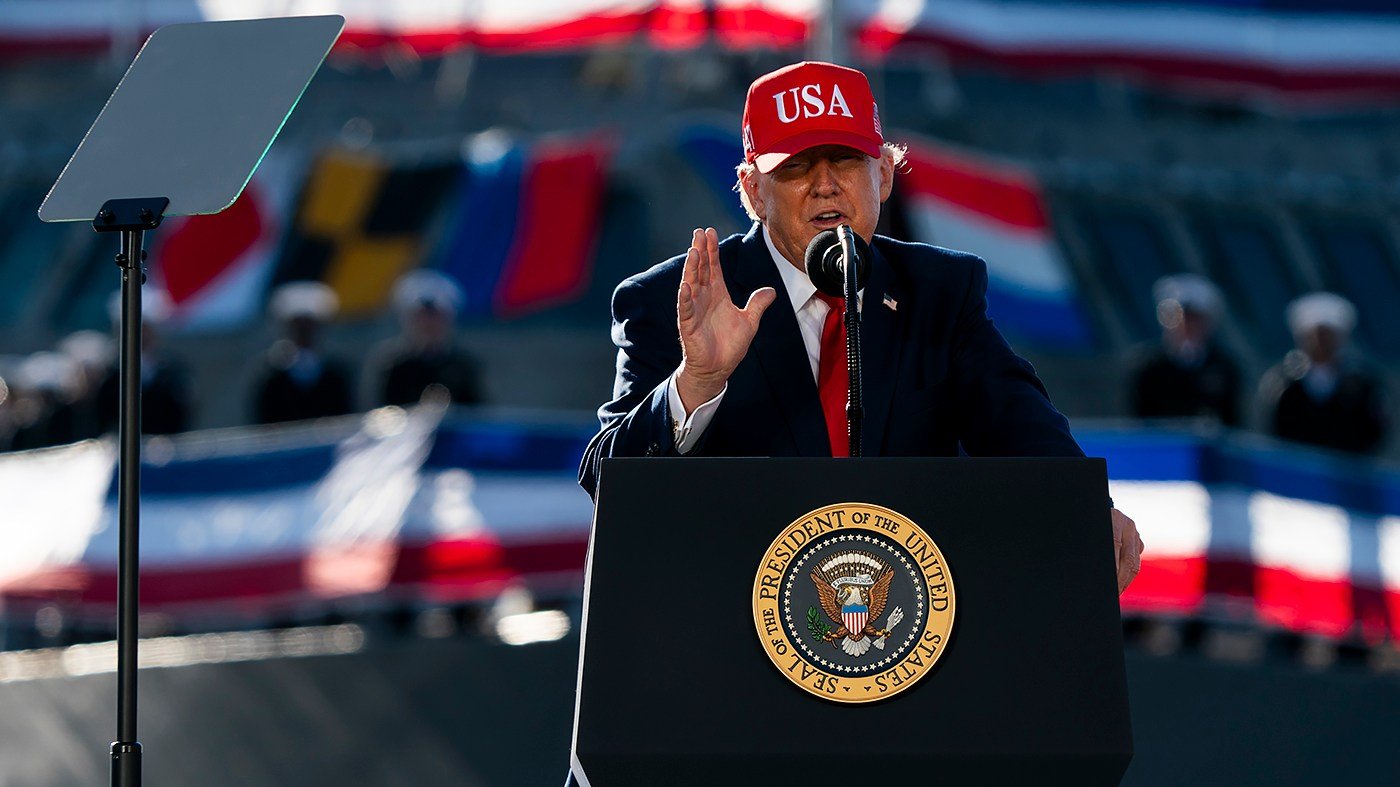
President Trump, since returning to office, has made combating drug cartels a priority, arguing that their trafficking directly contributes to American deaths. The administration has labeled 20 Latin American cartels and criminal groups as foreign terrorist organizations and initiated kinetic actions last fall. It has also deepened defense cooperation, establishing the 19-member Americas Counter Cartel Coalition (ACCC) to address transnational organized crime.
Ecuador has been a willing partner, eager to work with U.S. forces against groups like Los Choneros and Los Lobos, which have ties to Mexico's Jalisco New Generation Cartel. Two weeks ago, about 50 U.S. service members and law enforcement personnel participated in raids with Ecuadorian police against suspected traffickers. The U.S. military coordinated with DEA counterparts and Ecuadorian forces in the lead-up, according to a senior U.S. official.
The U.S. special operations forces will help train partner forces in "command and control" operations, but they "are not on target until the target's clear," the official said. "Then we bring our special operations forces with their abilities to do sensitive site exploitation to develop the intelligence for the next operation."
Critics, however, question the approach. Benjamin Gedan, director of the Stimson Center's Latin America program, noted that past U.S. efforts focused on strengthening criminal justice institutions. He argued the current strategy relies on "mislabeling drug gangs as terrorists and blowing things up," which he says "generates content for social media, but it will do little to disrupt the drug lords responsible for the mayhem in Latin American communities and the region's epic struggle with public corruption."
The U.S. conducted its first joint operation with Ecuador in early March, which included a strike alongside Venezuela that killed a Tren de Aragua gang leader. A senior Pentagon official said more operations are expected, describing the current state as "a graduation of how we've been able to work with that country, but certainly not the endpoint."
Guatemala and Honduras have also requested joint operations, according to the official. Former acting DEA Administrator Derek Maltz defended the aggressive tactics, saying synthetic drugs have "destroyed" American communities at "levels that we've never seen in the history" of the U.S. "You have to be aggressive against terrorists because they're destroying our future," he said.
Maltz predicted operations could soon extend to Colombia, a major cocaine producer. Donovan said Southcom aims to apply "total systemic friction" against narco-terrorist groups, shifting terminology from "isolated lists of terrorist organizations to hemispheric threat networks."
This expanded military role has sparked debate over the effectiveness and consequences of using the armed forces in counternarcotics efforts, with some experts warning that such tactics may not address the root causes of drug trafficking and corruption. As the Pentagon continues to broaden its operations, the political and strategic implications remain under scrutiny.