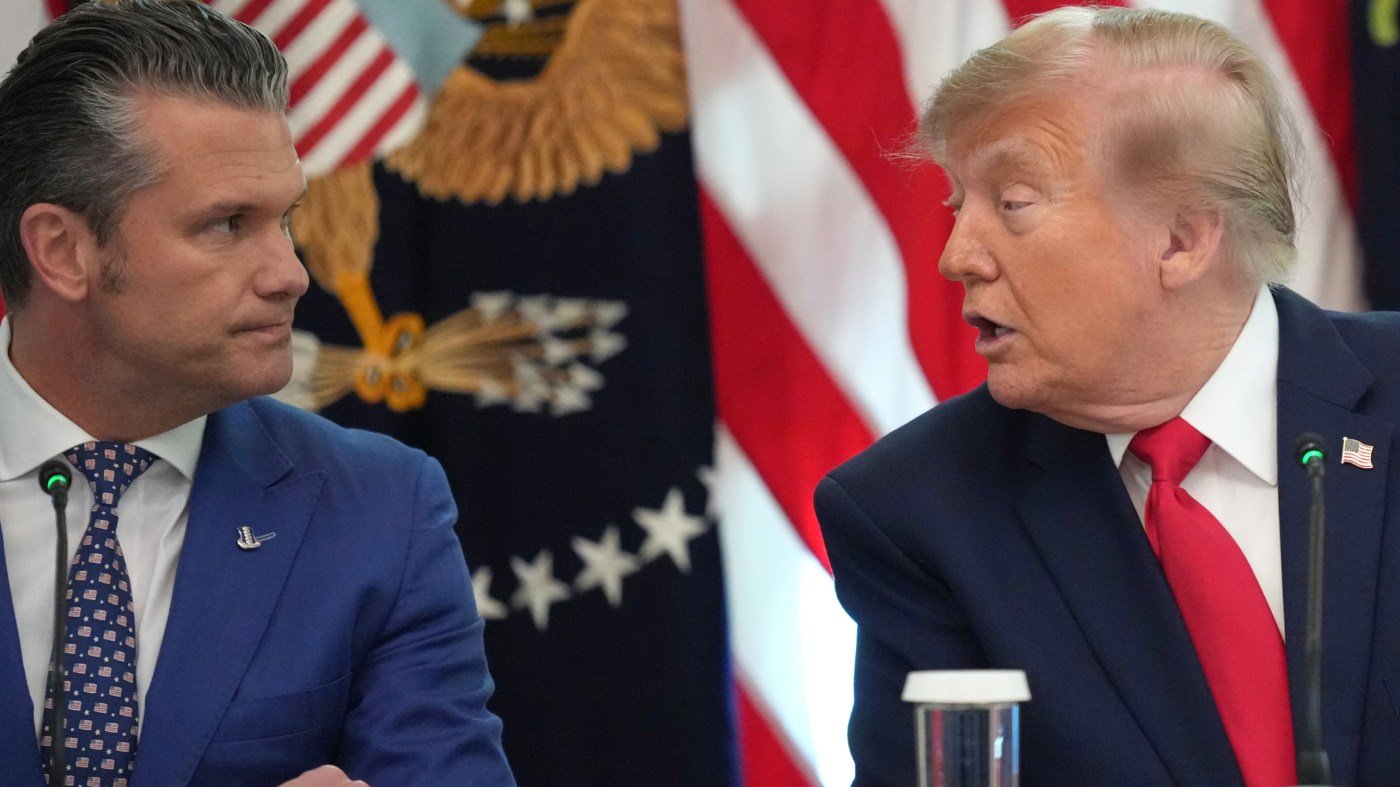
As President Trump weighs a return to military action against Iran under what aides have dubbed “a little Epic Fury,” analysts are cautioning that the administration risks repeating the mistakes of the first campaign, which left the U.S. in a stalemate and pushed the economy to the brink of depression.
The president’s own instincts, honed in business, told him in June that the initial round of Epic Fury was a failure. It produced no decisive victory, and the economic fallout was so severe that Trump was reportedly close to becoming “Herbert Hoover” and triggering a U.S. depression. That prompted him to sign a memorandum of understanding to halt hostilities and restore oil flows.
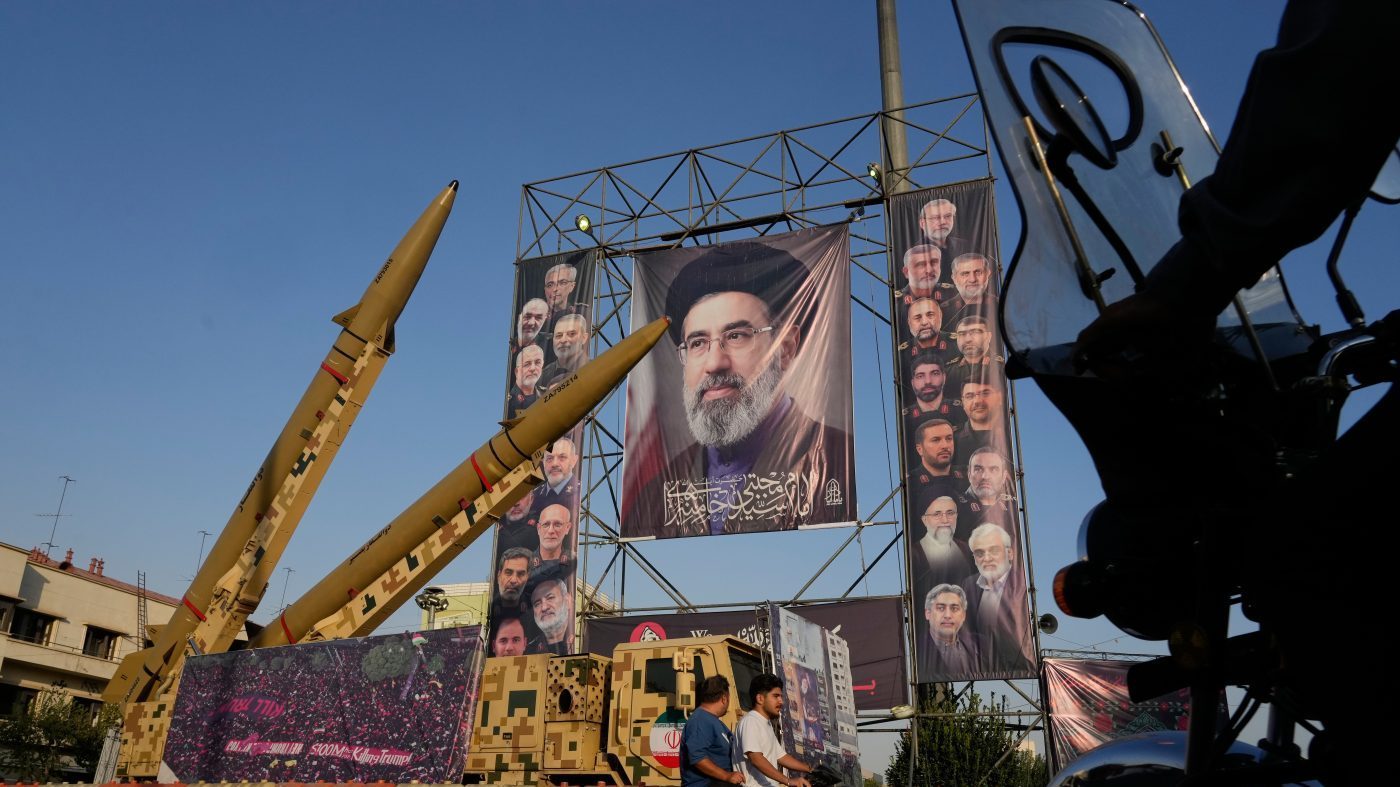
The core issue then and now is the Strait of Hormuz, the vital chokepoint for global energy shipments. Reopening it remains the only path to stability, yet Trump’s advisors are reportedly pushing for more of the same failed tactics that led to the current impasse.
The first Epic Fury campaign inflicted staggering damage. The U.S. expended thousands of munitions, struck critical dual-use infrastructure, and caused an estimated $100 billion in bombing damage. Decapitation strikes against Iranian leadership and a blockade lasting over 100 days failed to bring Tehran to its knees. Iran’s currency has cratered, dropping 36.3% against the dollar, but there is no sign of an imminent popular uprising.
Meanwhile, the American public has turned sharply against the war. A Pew Research poll found 65% of Americans disapprove of Trump’s handling of the conflict. Soaring energy prices are squeezing households, with oil at $113 a barrel, diesel above $6 a gallon, and gasoline near $4.20. Another bombing campaign could push the economy over the edge, especially if Iran retaliates against Gulf energy infrastructure.
Iran has demonstrated resilience. Despite the destruction of much of its navy and air force, strikes on vessels using the Omani Route hit an all-time high in October. Tehran has also conducted dozens of missile tests this month, including more than 30 on Oct. 11 alone, signaling readiness for all-out war. Global energy reserves are depleted after eight months of conflict, leaving little buffer against a new shock.
“Iran has proven that it cannot simply be bombed into submission,” write Joe Kent, former director of the National Counterterrorism Center, and Brett Erickson of Obsidian Risk Advisors. They argue that Tehran’s leaders are unlikely to offer a diplomatic exit without major concessions, and that hardliners are gaining ground as the conflict becomes existential.
The premise of a “little Epic Fury” is dangerously flawed. Iran has shown it can strike not only in Hormuz but also in the Gulf of Oman and Arabian Gulf. A limited U.S. strike could trigger a catastrophic Iranian response, delivering precisely the economic disaster Trump sought to avoid.
Kent and Erickson suggest two rational off-ramps: returning to the memorandum of understanding, which would align with Iranian demands, or declaring victory, lifting the blockade, and withdrawing U.S. forces. The latter would reduce Iran’s incentive to threaten shipping and open space for diplomacy, allowing both sides to claim victory.
The allure of one more push is understandable given the immense damage already inflicted. But Trump cannot assume he controls the duration or escalation of a new kinetic phase. As the authors warn, “the enemy gets a vote.” Ignoring that reality risks a prolonged war and economic ruin at home.