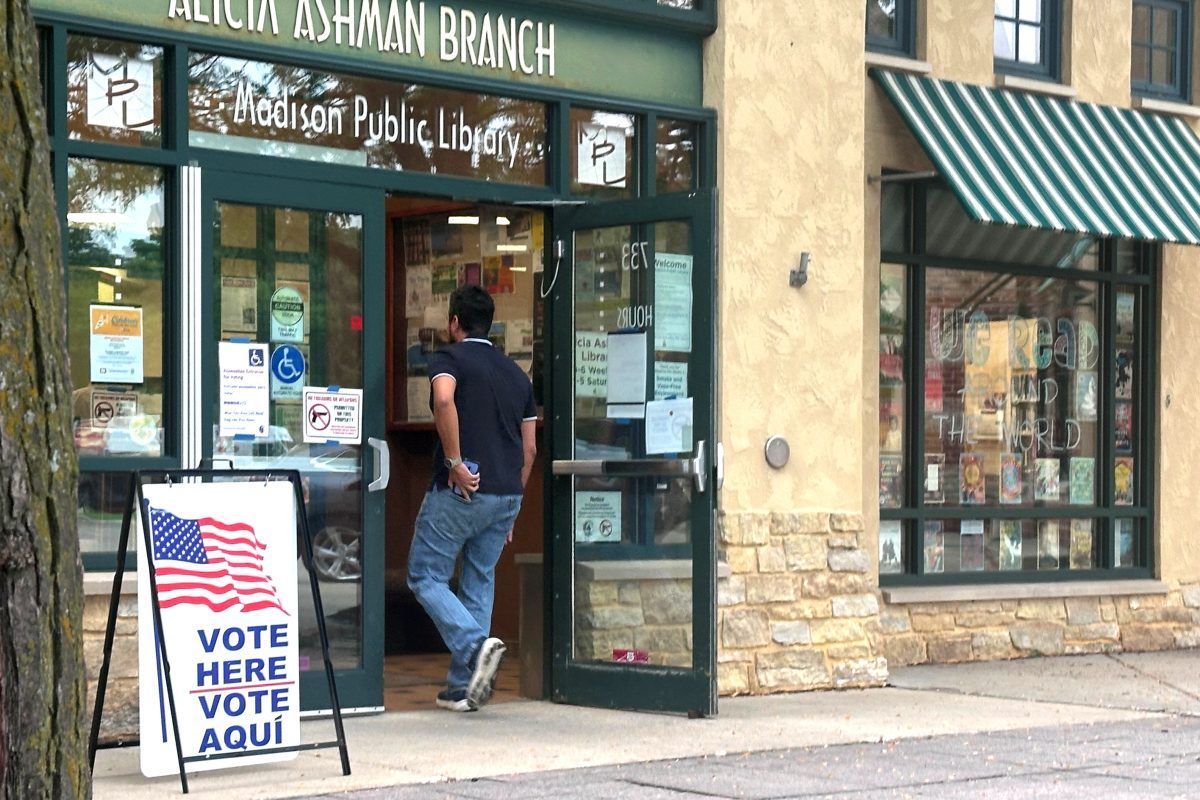
As voters head to the polls, they may be surprised to learn that their favorite campaign T-shirt or button could be prohibited at the voting booth. While many states allow voters to express their political preferences in their yards or on social media, the rules tighten significantly once you step inside a polling place.
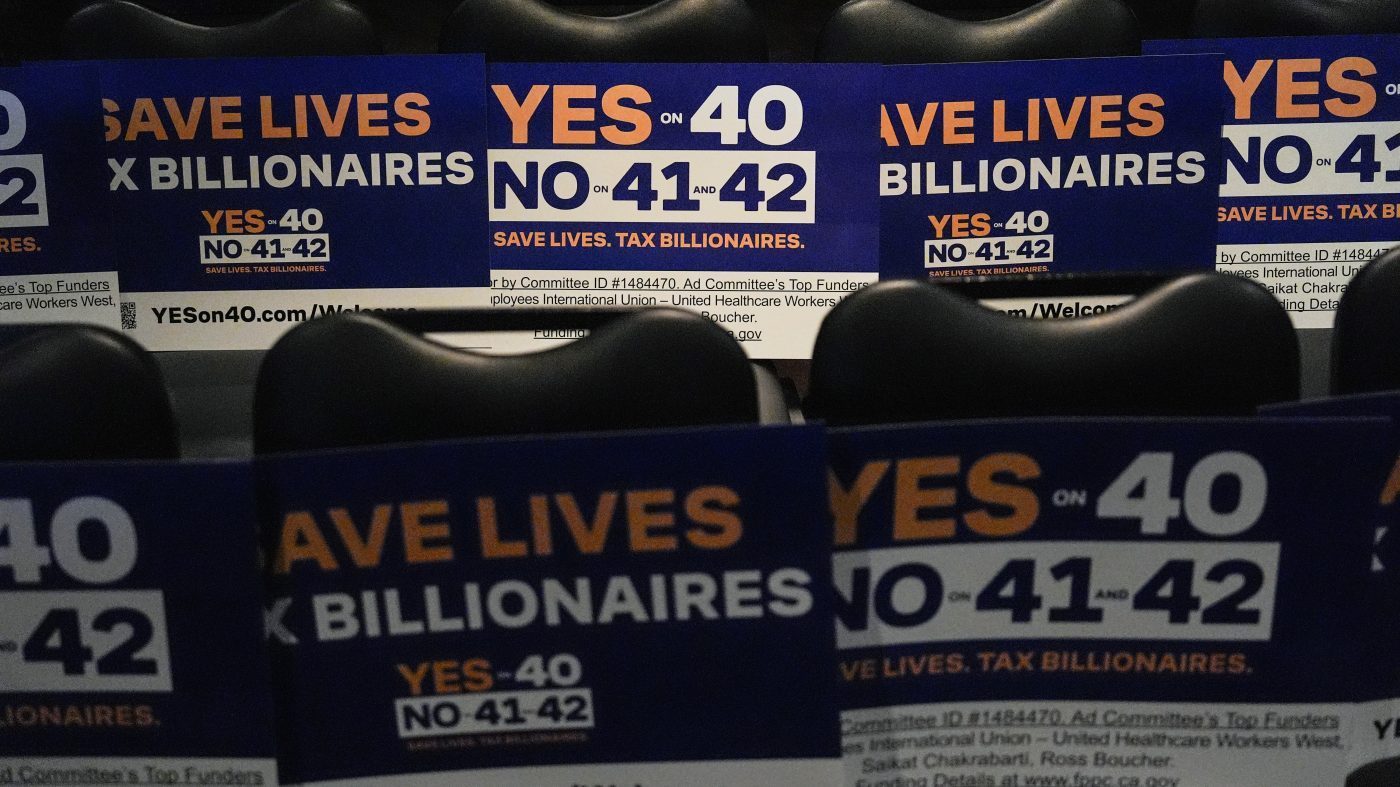
According to the National Conference of State Legislatures, more than half of U.S. states prohibit voters from wearing campaign apparel while casting a ballot. Nearly all states, meanwhile, restrict the display of signs, banners, or campaign literature within a certain distance of a polling location. These laws are designed to prevent electioneering—the act of campaigning or advocating for a candidate or issue—at the very place where citizens exercise their democratic right.
The issue gained national attention in 2024 when a photo circulated showing a woman purportedly voting without a shirt after a poll worker told her that her Trump campaign shirt violated electioneering rules. The woman reportedly removed the shirt after using expletives toward the worker. The incident drew a response from then-vice presidential candidate JD Vance, who weighed in on the controversy, highlighting the sometimes contentious nature of these restrictions.
While the federal government sets broad guidelines for elections, states have significant leeway in how they enforce electioneering laws. Some states, like Texas and Georgia, have strict prohibitions on political attire, while others, like Delaware and Vermont, have no explicit bans, allowing voters to wear whatever they like. Still, even in states without explicit bans, local jurisdictions may have their own rules, so it's wise to check before heading to the polls.
Penalties for violating these laws vary. In some states, voters may be asked to remove or cover the offending item, while in others, they may face fines or even criminal charges. For example, in New York, wearing campaign gear can result in a fine of up to $1,000, while in Arizona, it's a class 2 misdemeanor. In contrast, states like Maine and Oregon have no such restrictions, reflecting a more permissive approach.
These rules have sparked debate about free speech versus the need to maintain a neutral voting environment. Split-ticket voters may find themselves navigating a patchwork of laws, especially in states where the rules are less clear. Political analysts note that the restrictions are intended to prevent intimidation or undue influence at the polls, but critics argue they infringe on First Amendment rights.
As the 2024 election cycle heats up, early voting has expanded in 47 states, giving more Americans the chance to cast ballots before Election Day. However, the three holdouts—Mississippi, Alabama, and New Hampshire—still require in-person voting on Election Day, where these attire rules are most likely to be enforced.
For those planning to vote, the safest approach is to leave political gear at home. If you do wear something that violates state law, poll workers may ask you to remove it or cover it up. In some cases, you may be allowed to vote after doing so, but in others, you could be turned away. To avoid any disruption, it's best to check your state's specific regulations before heading to the polls.
The debate over political attire at polling places is unlikely to fade, especially as post-election legal battles loom in key states. For now, voters should be aware that their choice of clothing could have consequences, and a little preparation can ensure a smooth voting experience.