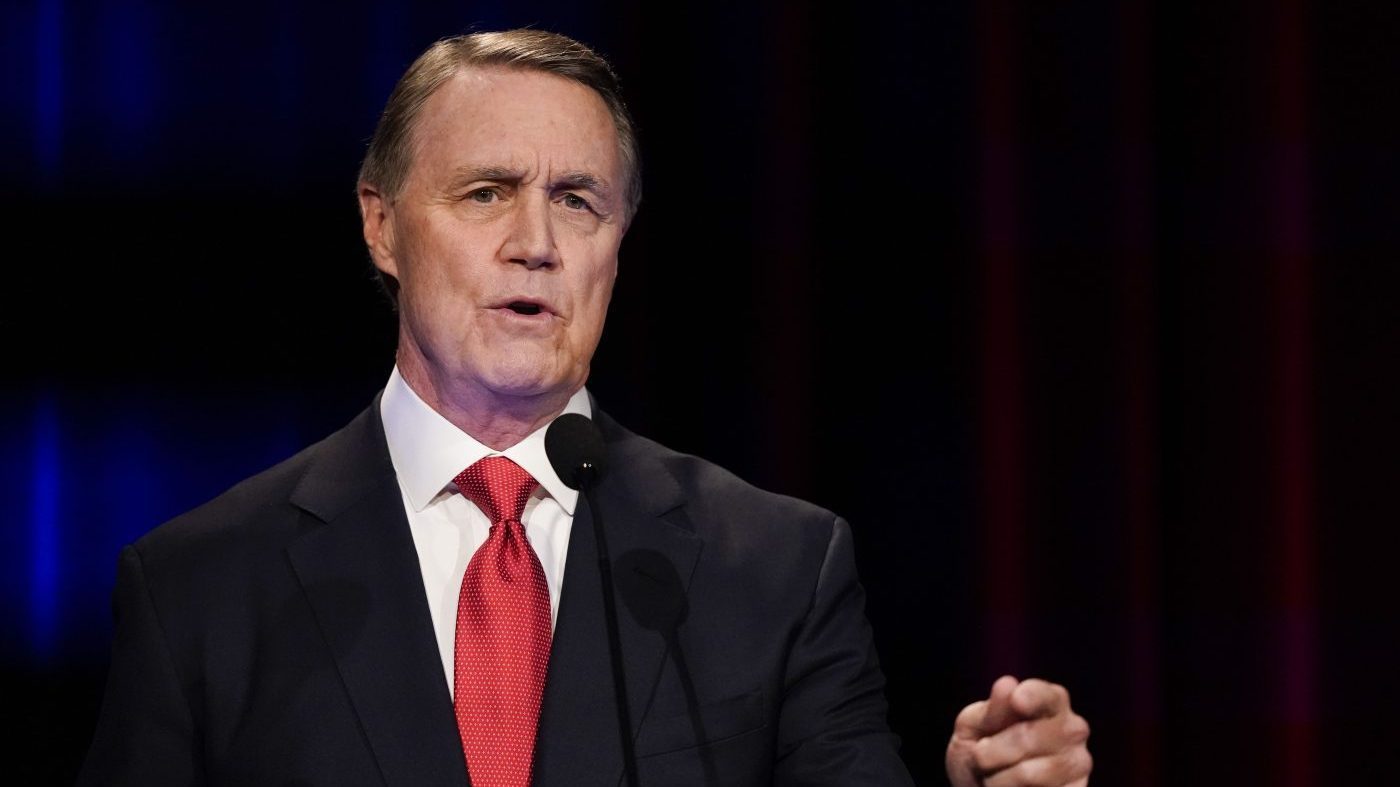
On the sidelines of the U.N. General Assembly, Iran's foreign minister has floated a new proposal that could reopen the Strait of Hormuz and restart negotiations over Tehran's nuclear program. The offer, which was detailed at a private gathering on Thursday, would require the United States to lift its naval blockade, waive oil sanctions, and agree to a ceasefire that includes Lebanon. In exchange, Iran would resume compliance with nuclear commitments and allow the strait—a critical chokepoint for global oil shipments—to remain open.
Trita Parsi, executive vice president of the Quincy Institute think tank, who attended the event, said Foreign Minister Abbas Araghchi presented the plan to those assembled. Iranian officials have not commented publicly. The proposal resembles an agreement reached in June that later collapsed, raising questions about its viability.
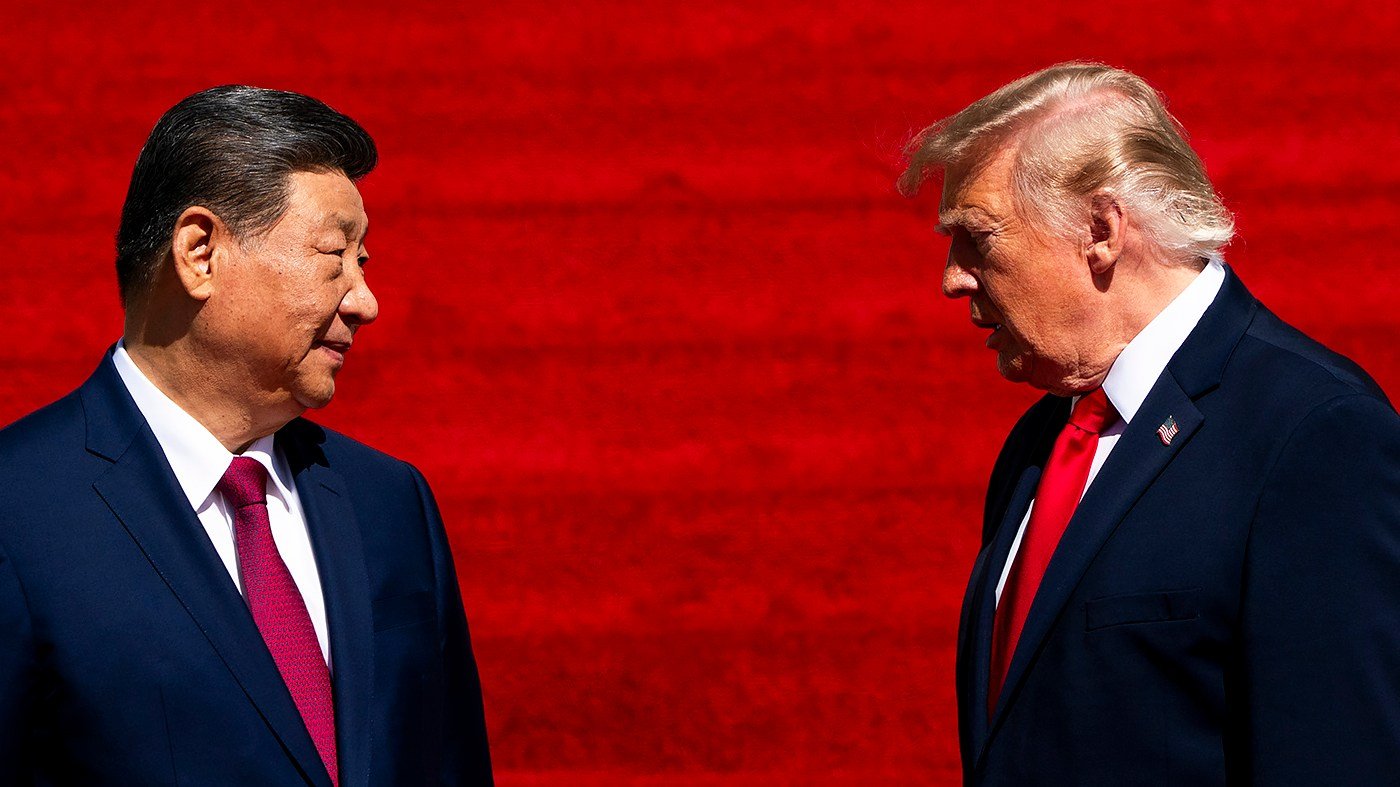
U.S. President Donald Trump has said he is in no rush to reach a deal, though the White House said Friday that U.S. officials are having positive and constructive conversations with mediators. Still, on the Iranian side, some question whether hard-liners who dominate the security forces will accept compromises championed by relative moderates like President Masoud Pezeshkian.
Saudi Cleric's Rare Call to Arms
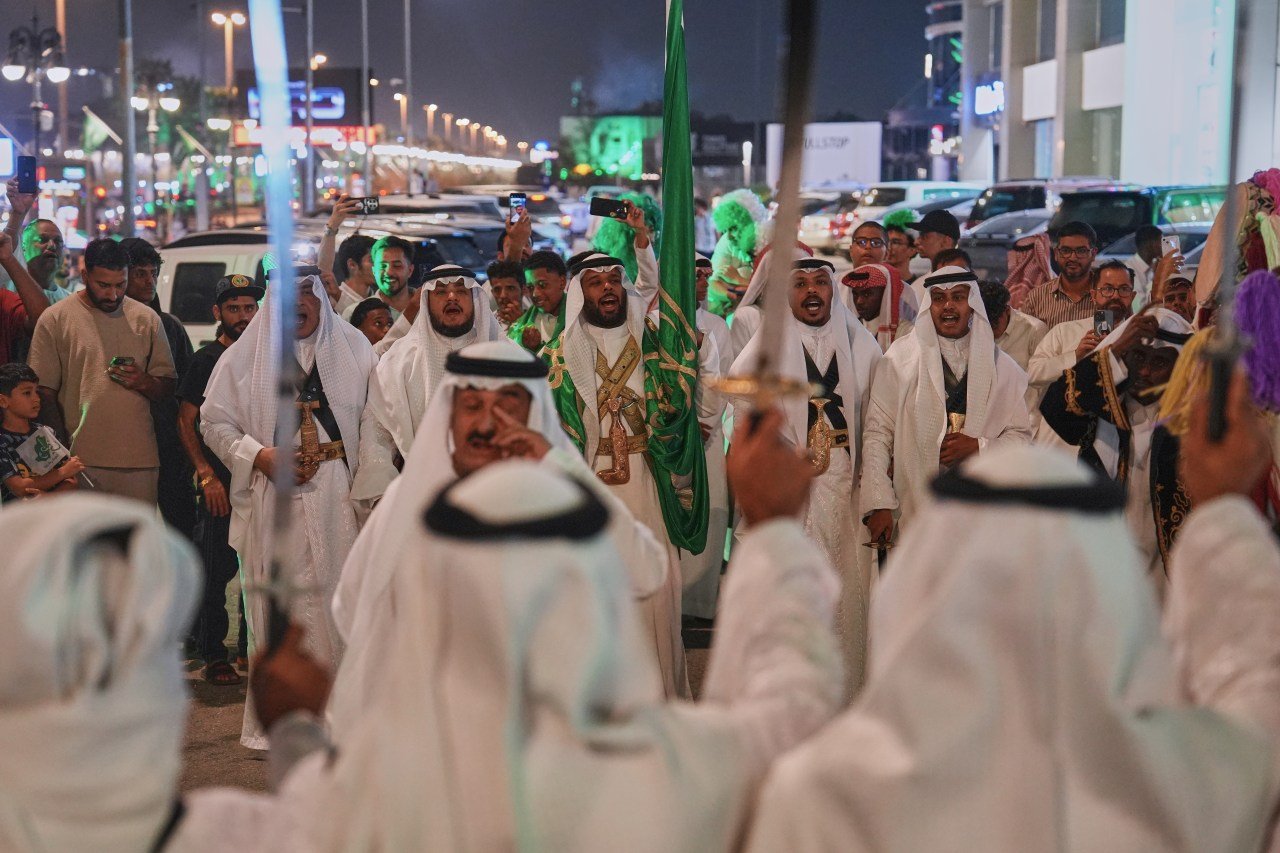
Meanwhile, Saudi Arabia's top religious authority has issued a rare and strongly worded statement urging the kingdom's soldiers to be prepared to defend the country from Iran-backed Houthi rebels in neighboring Yemen. Grand Mufti Sheikh Saleh al-Fawzan, who traditionally avoids political commentary, addressed his message to troops guarding the kingdom's borders and members of the Saudi-led coalition fighting the Houthis.
“Protecting this great nation, guarding its borders, defending against aggression and punishing those who want to harm any inch of it is one of the greatest duties,” he said, peppering the statement with Quranic verses and religious edicts.
The call comes as Saudi oil facilities, cities, and ships off its coast face escalating attacks. The head of Yemen's internationally recognized government, Rashad al-Alimi, also urged Yemenis to rally behind Saudi-backed armed forces and allied groups. Al-Alimi, who chairs the country's Presidential Leadership Council, called on Yemenis fighting alongside the Houthis to defect, announcing a general amnesty.
Goal to Retake Sanaa
Al-Alimi said the aim of the fighting is to restore his government's control over Sanaa, the capital, which the Houthis seized in 2014. His call to arms came during his first speech since his Saudi-backed forces were routed from the western Red Sea coast by the Houthis' lightning advance on the city of Mokha and islands in the Bab el-Mandeb Strait, where 12% of the world's trade passes.
The swift Houthi advances raised questions about the effectiveness of the Saudi-backed forces in the face of the disciplined, well-armed Houthis. The Houthi assault exploited divisions among the Saudi-backed forces and distrust among its leaders, leading to a chaotic troop withdrawal before the fall of Mokha.
Al-Alimi's speech came on the 64th anniversary of the military coup that ousted the monarchy ruling northern Yemen, rooted in the Zaydi Shiite sect to which the Houthis also belong. The Houthis battled Yemen's central government for years before sweeping down from their northern stronghold and seizing Sanaa.
U.N. Security Council Condemns Houthi Attacks
In a statement approved by its 15 members, the U.N. Security Council condemned Houthi attacks on Saudi Arabia and against commercial shipping in the Red Sea and the Bab el-Mandeb Strait. The council called for “practical cooperation,” including with Yemen's internationally recognized government, to prevent the Houthis from obtaining weapons, military material, and training that enable their attacks. It reminded all countries of their obligation to implement the U.N. arms embargo against the Houthis.
Gaza Casualties and Yemen's Humanitarian Crisis
Elsewhere, Israel's military reported that two soldiers were killed in northern Gaza on Thursday while inspecting an unexploded Israeli drone near a military post. They were the first Israeli soldiers killed in Gaza in months. Five other Israeli soldiers have been killed since last October's ceasefire that attempted to halt a more than two-year war between Israel and Hamas.
While the heaviest fighting has subsided, almost daily Israeli fire has continued. Israeli forces have carried out repeated airstrikes and frequently fire on Palestinians near military-held zones, killing 1,408 Palestinians, according to Gaza health officials.
The renewed hostilities in Yemen have also overwhelmed a health system already battered by years of war. More than 130,000 people have fled their homes as fighting escalates between the Houthis and Saudi-backed government forces. Fewer than 10% of health centers in affected areas are equipped to provide the care that wounded people need, according to the World Health Organization. UNICEF says at least 15 children have been killed and another 14 wounded in the past three weeks.