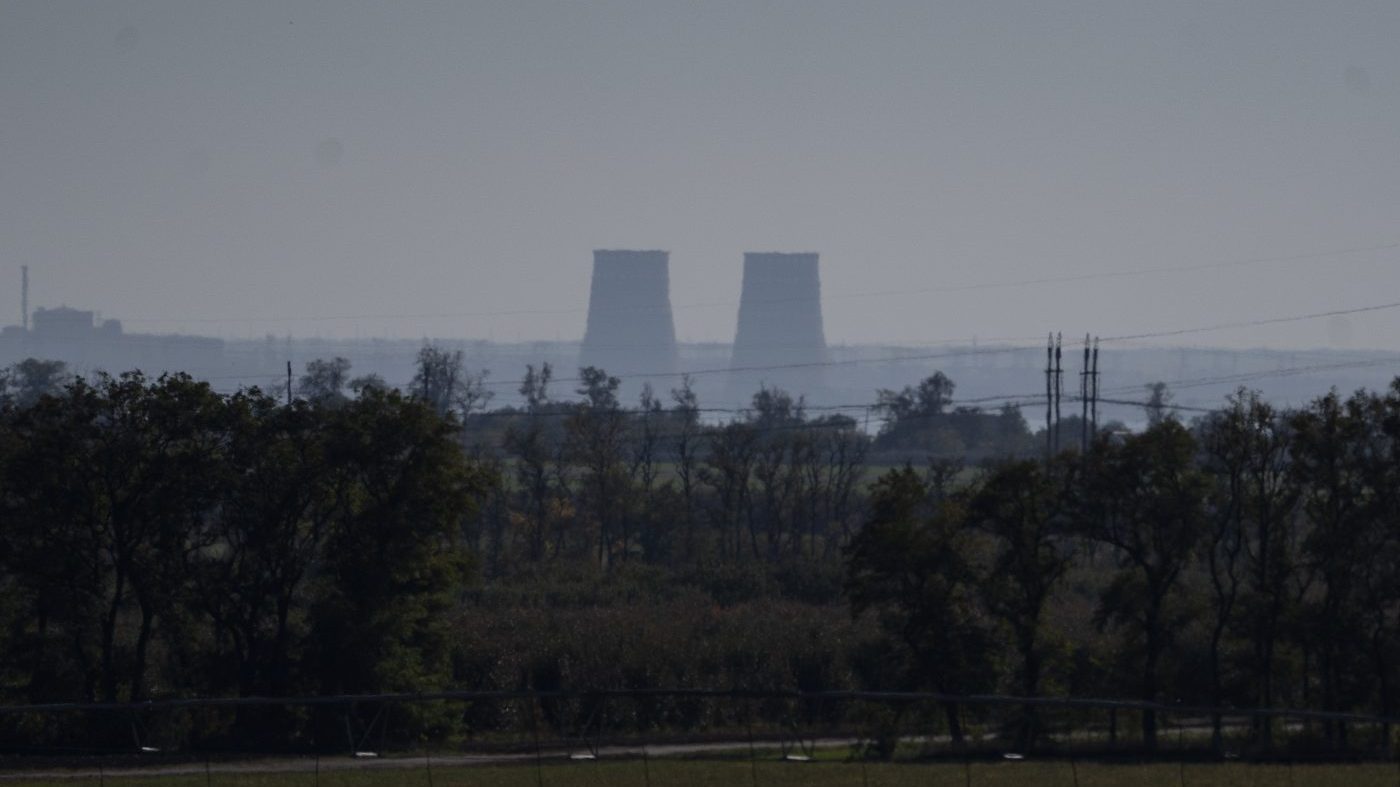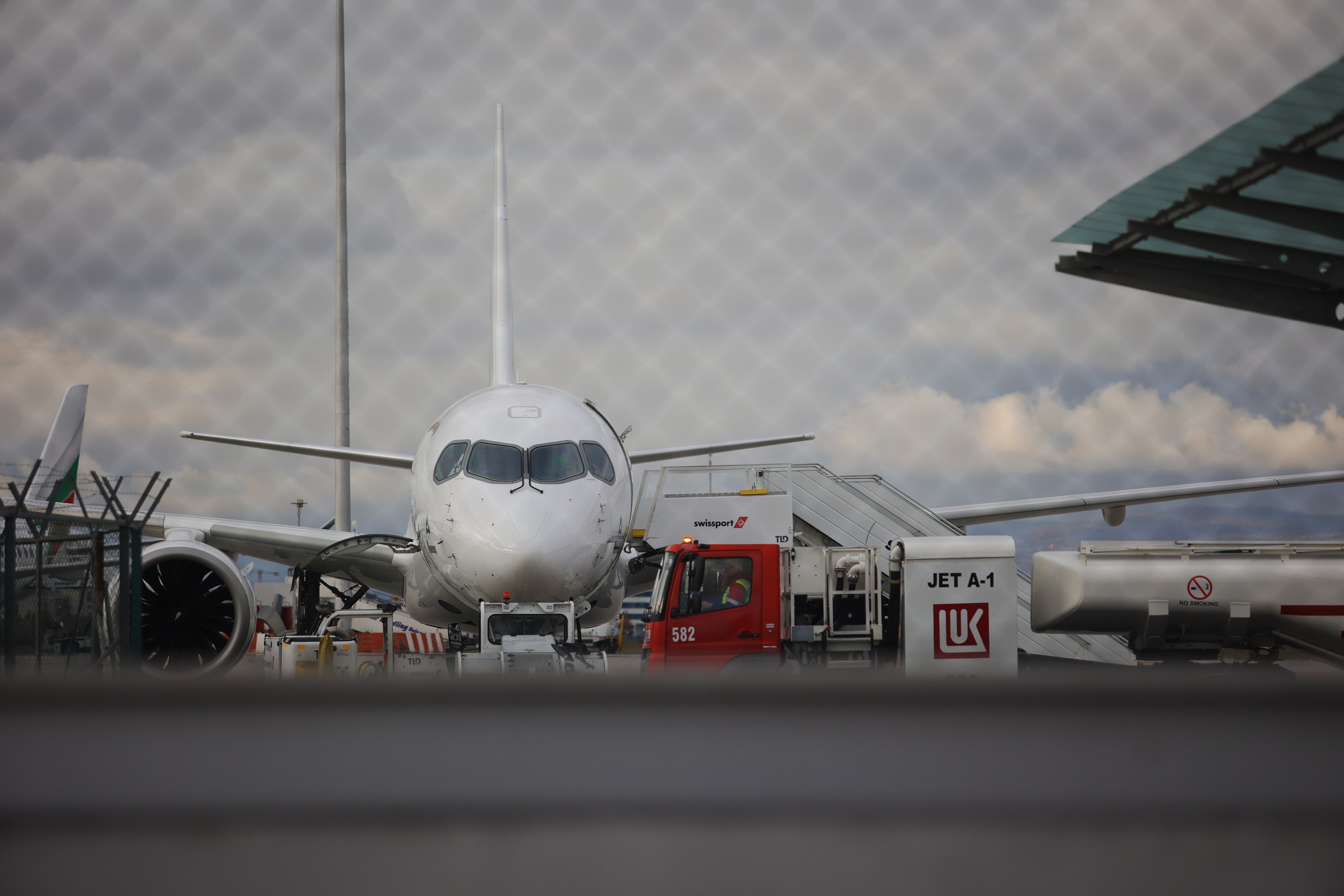
Last week, a coordinated campaign of bomb threats disrupted commercial aviation across Europe, with over fifty flights to and from Spain, Italy, Poland, Finland, the UK, and other countries affected. No explosives were found, and all passengers and crew were safe, but the operational chaos and financial costs were significant. The psychological impact—reviving memories of past airline attacks—adds to the toll.
European authorities are investigating, and Ireland, which holds the EU Council presidency, faced threats against media outlets, including state broadcaster RTE. The Irish government called it a "coordinated campaign of disruption." While no perpetrator has been identified, suspicion falls on Russia, given its history of hybrid attacks, or Iran, which has threatened retaliation beyond the Gulf. Moscow has denied involvement, blaming Ukraine for some incidents, while France recently accused Iran of hacking cold-chain systems.
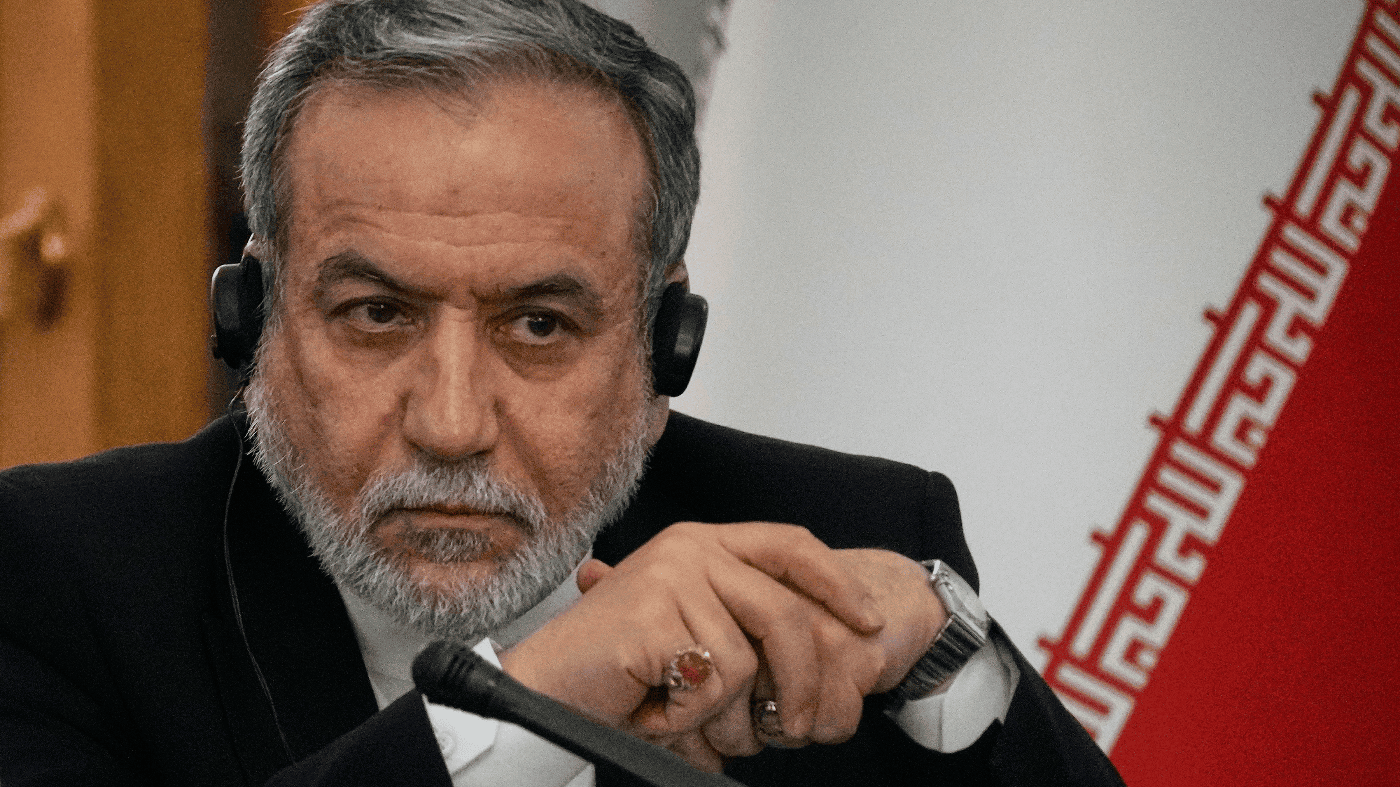
The West's response has been inadequate, caught between NATO's defense role and national law enforcement, with the EU's unclear authority complicating matters. The Trump administration's focus on domestic politics has also distracted from these foreign threats. Trump's pursuit of a Nobel Peace Prize has led him to push for a Russia-Ukraine peace deal, but his vague promises of a "big, beautiful agreement" overlook the ongoing hybrid warfare that undermines such efforts.
Trump's approach to negotiations, whether in Ukraine, Gaza, or Iran, centers on investment opportunities after peace, but ignores the need to resolve the underlying conflicts first. His administration disdains delving into the interests at stake, viewing it as getting "bogged down." But the recent bomb threats and hacks are not mundane—they signal a serious challenge that requires urgent attention from the U.S. National Security Council and NATO, not oil deals with Russia.
The threats also highlight the need for a unified Western strategy to counter hybrid warfare. As cyberattacks on cold-chain systems show, disruptions can target critical infrastructure, and the West must bolster its defenses. The recent Russian orbital stalking of US satellites underscores the breadth of Moscow's aggressive tactics.
Meanwhile, political dynamics complicate responses. Italian Prime Minister Meloni has accused pro-Russian hackers of leaking data, illustrating the reach of such operations. And legislation to use frozen Russian assets remains stalled, limiting leverage.
The West must move beyond ad hoc reactions and develop a comprehensive strategy to deter and respond to hybrid warfare. The current approach is failing, and the consequences of inaction could be severe.