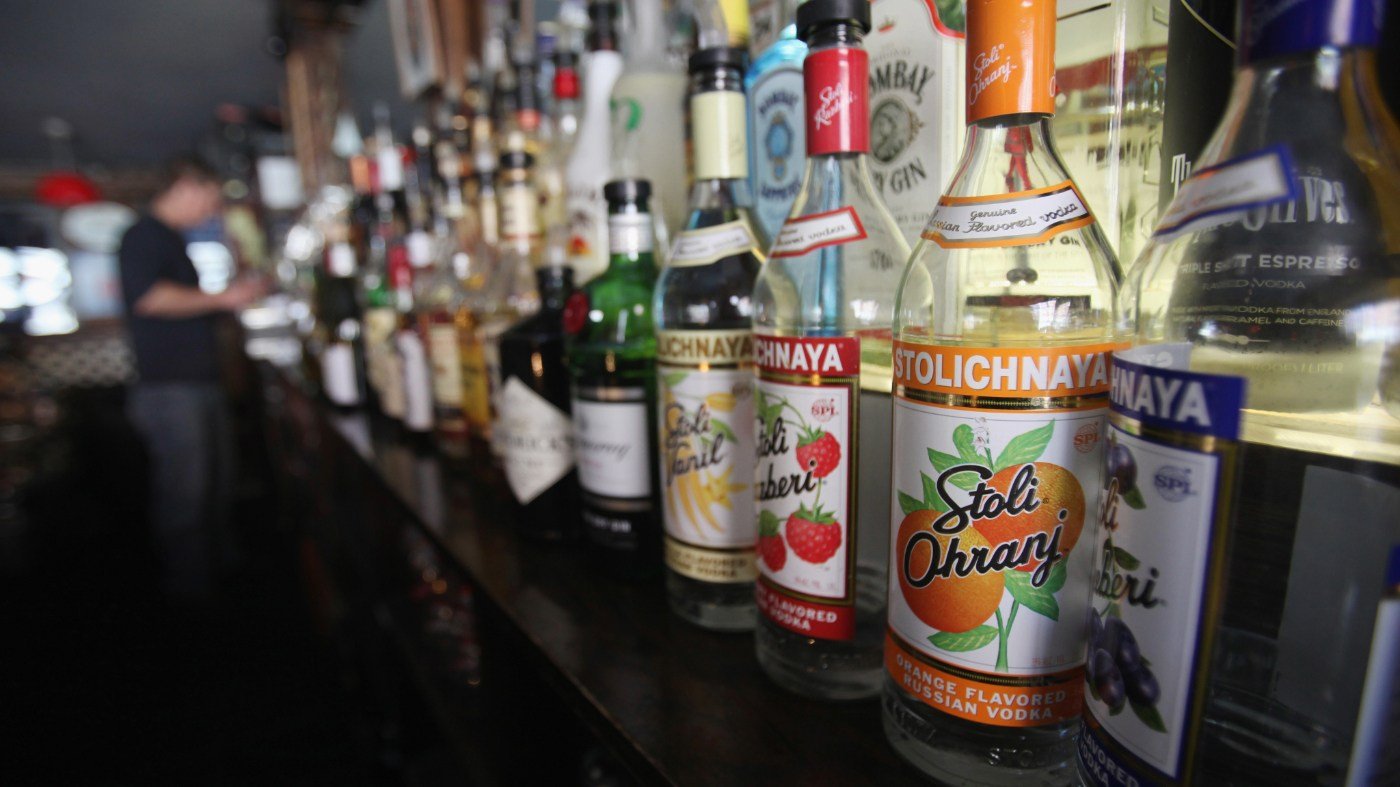
American alcohol consumption has fallen to its lowest point since Gallup began tracking it in 1939, with just 54% of adults saying they drink, according to a new survey released Thursday. The figure marks the second consecutive year at that level, continuing a sharp decline from 62% in 2023 and 58% in 2024.
The drop was widespread across demographics, including all age groups, both men and women, and White and non-White adults. The only exception was among weekly religious service attendees, whose drinking rate held steady at 48%.
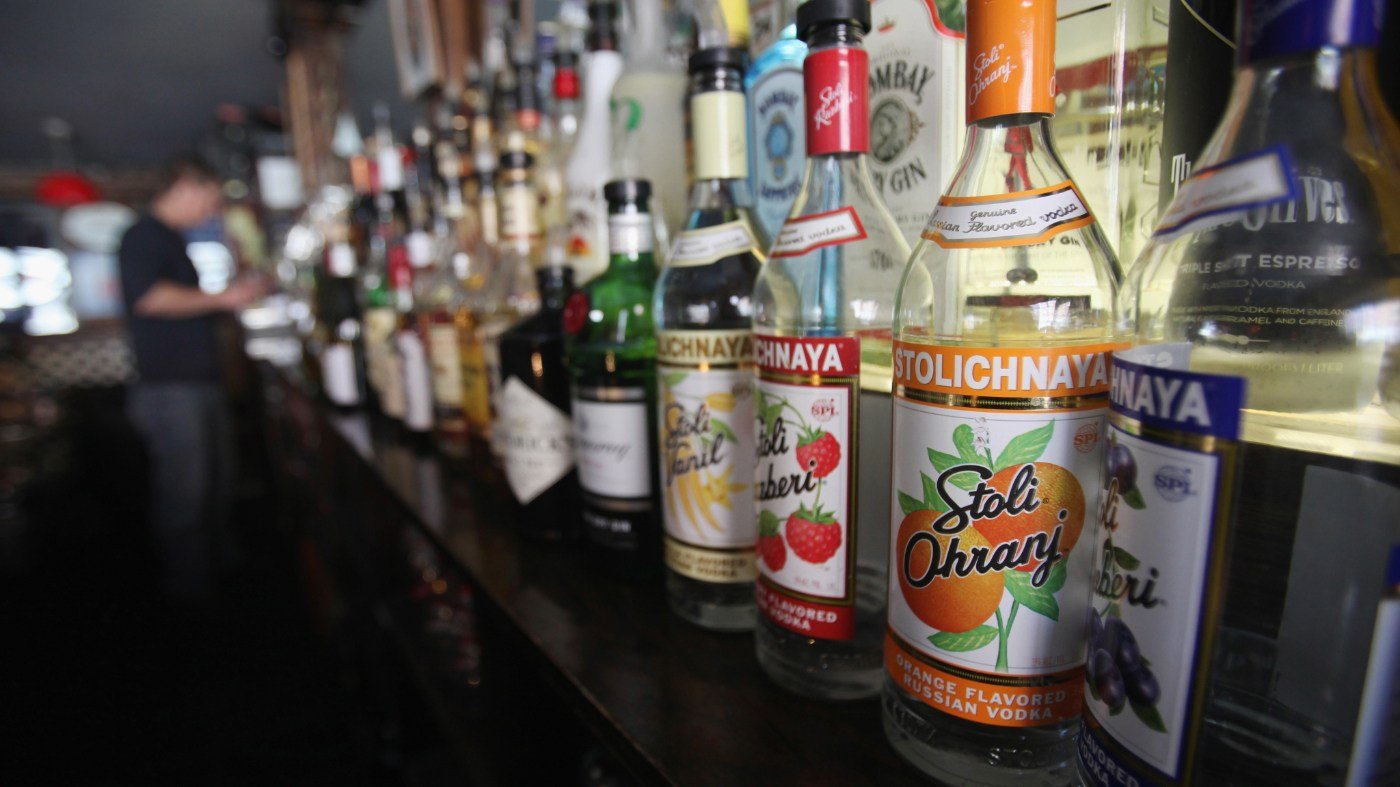
Gallup also found shifting public attitudes: 51% of adults now believe that consuming one or two alcoholic drinks per day is harmful to health, while 40% say it makes no difference. This comes as federal guidance on alcohol has been revised under the Trump administration, a topic that has sparked debate among policymakers and health experts.
In early 2025, the 2025-2030 Dietary Guidelines for Americans (DGA) dropped the previous recommendations that limited daily drinks to one for women and two for men. Instead, the new guidance advises Americans to "consume less alcohol for better health," a more general directive.
Dr. Mehmet Oz, administrator of the Centers for Medicare and Medicaid Services, elaborated on the new approach, suggesting that drinking should be moderate and social. "The implication is don't have it for breakfast," he said, clarifying the administration's stance.
The shift has frustrated researchers who have studied alcohol's effects since 2022. The Trump administration informed them in 2025 that it would not publish their findings. However, the study was later released in June in the Journal of Studies on Alcohol and Drugs, concluding that moderate drinking offers no health benefits. The researchers recommended that adults limit themselves to one drink or less per day and argued that their findings should have shaped the latest DGA.
The Gallup survey was conducted July 1-19 among a random sample of 1,200 adults aged 18 and older, with a margin of sampling error of 4 percentage points.
This trend aligns with other recent polling showing Americans are increasingly cautious about health risks, similar to extreme weather concerns that have also shaped public attitudes. As drinking declines, public health debates continue to evolve, intersecting with broader political battles over federal guidance and scientific integrity.