A new survey released Tuesday reveals that nearly four in ten Americans say their communities have suffered damage from extreme weather events over the past year. The poll, conducted by the Walton Family Foundation in partnership with Gallup, found that 38% of respondents reported that their town or city experienced destruction from extreme weather.
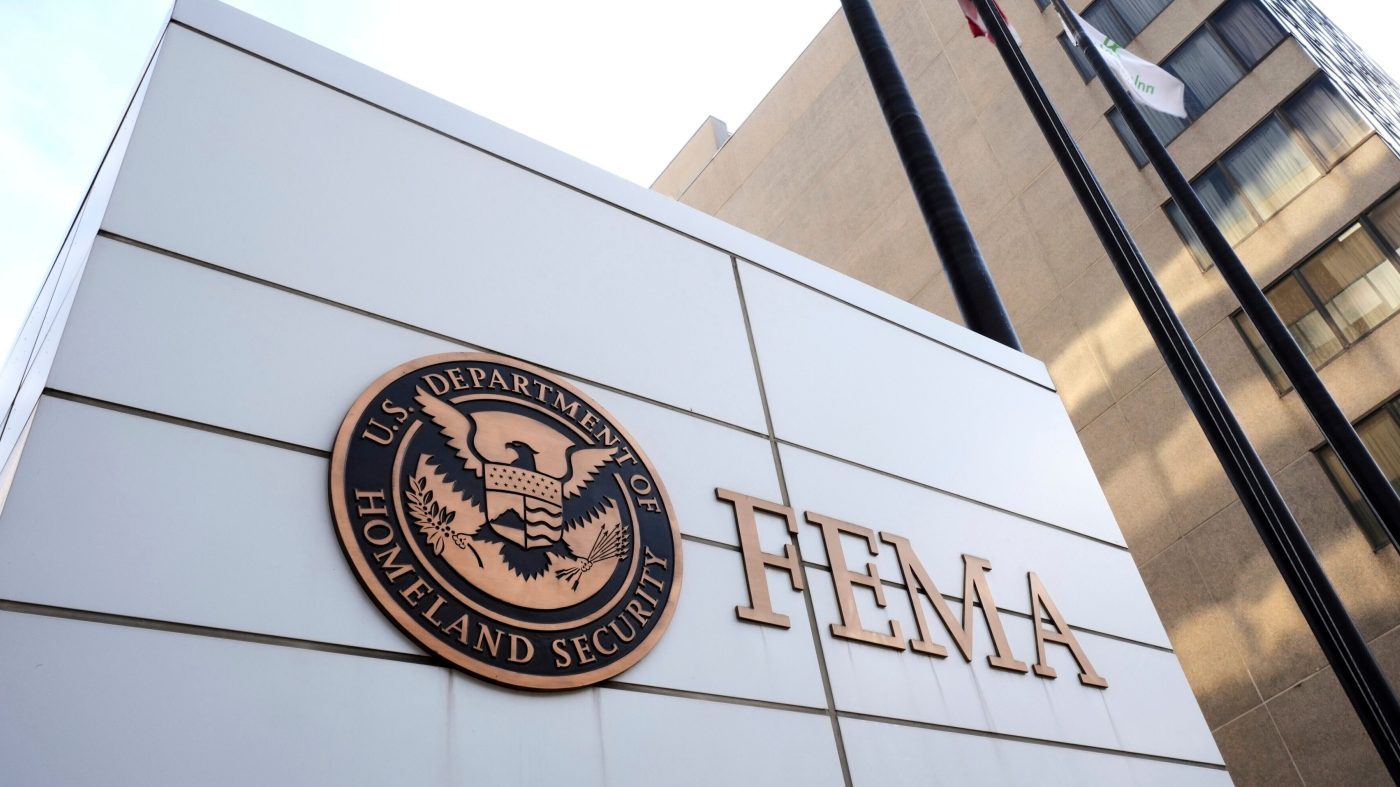
The findings come as the Trump administration pushes ahead with a major overhaul of the Federal Emergency Management Agency (FEMA), an agency that has faced sharp criticism over its response to recent disasters, as well as funding cuts and staffing shortages. The Senate recently confirmed Cameron Hamilton to lead FEMA, following the departure of former Homeland Security Secretary Kristi Noem. During his confirmation hearing, Hamilton emphasized the need to "strike a new balance" within the agency, prioritizing cost savings while maintaining disaster response capabilities.
Regional breakdowns in the poll show that the South bore the brunt of extreme weather damage. In the East South Central region—comprising Alabama, Kentucky, Mississippi, and Tennessee—58% of residents said their communities experienced such damage. The West South Central region, which includes Arkansas, Louisiana, Oklahoma, and Texas, reported 47% of residents seeing damage. In the Middle Atlantic region, 43% of respondents said the same.
Conversely, the Mountain region reported the lowest share of damage at 26%, followed by the East North Central region at 28%. These figures suggest significant geographic disparities in how communities are being affected by climate-related events.
The psychological toll of these disasters is also evident. The survey found that Americans living in areas that experienced damage were less likely to feel they had control over their futures. Among those who felt they could shape their own path, 71% lived in communities without damage, compared to 62% who lived in affected areas.
Concern about future disasters remains high, with 57% of Americans saying they worry about more damage occurring in the next year. This persistent anxiety underscores the long-term impact of extreme weather on community well-being.
The poll was conducted online from February 26 to March 6, surveying 6,732 adults nationwide. The margin of error is plus or minus 1.5 percentage points.
These findings highlight the growing urgency of disaster preparedness and climate resilience, issues that are likely to remain central as the administration continues its rollback of environmental regulations. Meanwhile, public trust in institutions, including government agencies, has been eroding, as reflected in broader generational divides in trust. The debate over FEMA's future also intersects with broader questions about federal spending and the role of government in disaster response.