The Trump administration has pledged to “streamline” permitting for what it calls “minor” sources of air pollution, a move that critics argue would effectively remove the public from decisions on who gets to pollute. The change would benefit industries that have long sought to weaken environmental safeguards, and it comes as the administration pushes a broader deregulatory agenda.
Don’t let the term “minor” fool you. While these permits cover small businesses like dry cleaners, they can also apply to far more hazardous operations, including concrete batch plants and the gas-fired power plants that supply electricity to data centers. If implemented nationwide, the so-called streamlining could replicate a pattern already unfolding in Texas, where regulators have allowed large data centers to dodge public notice requirements through technical loopholes.
The Clean Air Act’s success and state delegation
The Clean Air Act stands as one of the greatest public health achievements in modern U.S. history. Between 1990 and 2020, the law delivered an estimated $2 trillion in public health benefits against a cost of just $65 billion—a return of more than 30 times the investment. A cornerstone of the act is its delegation of authority to states: each state develops its own implementation plan, issues pollution permits, and enforces compliance.
In business-friendly Texas, state leaders have done the bare minimum, keeping environmental rules at the federal floor. In recent years, federal officials seeking to undermine existing protections have even looked to Texas for guidance. The Texas Commission on Environmental Quality (TCEQ), which works closely with the industries it regulates, has been quick to offer solutions that ease burdens on polluters.
Texas as a cautionary tale
The results in Texas are stark: elevated rates of certain cancers, concrete plants built next to hospitals and schools, and data centers welcomed into communities already facing water shortages. Some regions have failed to meet National Ambient Air Quality Standards for decades. This is the context for President Trump’s latest erosion of public rights, a move that enriches corporations and their CEOs at the expense of community health and transparency.
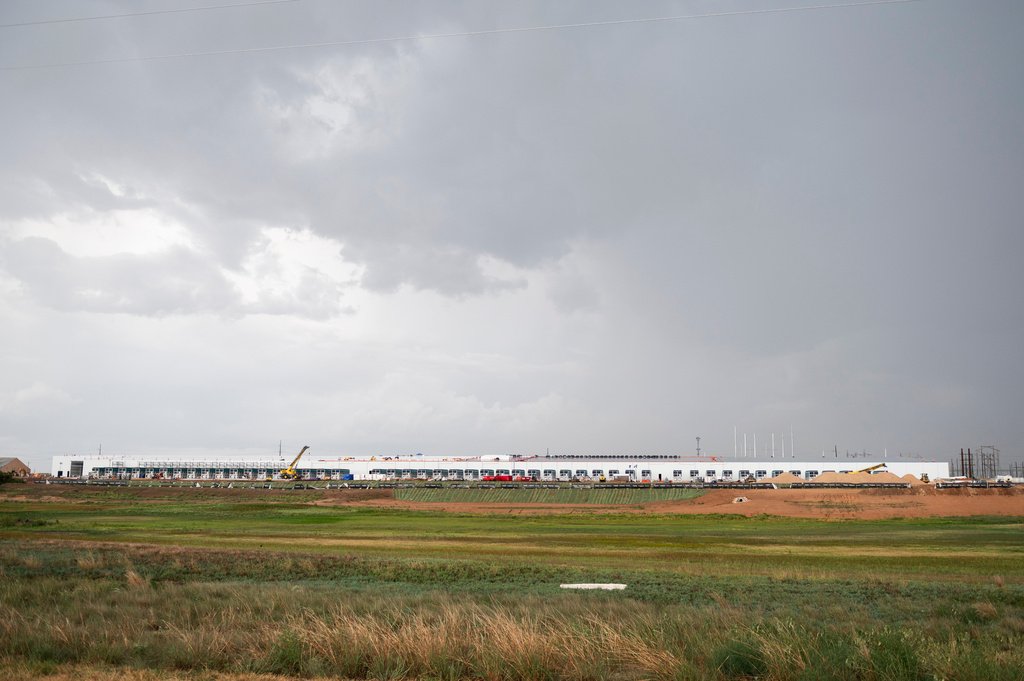
A real-life example unfolded in San Antonio on May 28, when about 150 residents gathered in a hotel ballroom for the first public meeting about a data center in their neighborhood. The facility was already built and operating, complete with a gas-fired power plant and 32 backup diesel generators, with 33 more proposed. It ran around the clock, hummed loudly, and its lights never went off. The crowd was angry—so angry that many skipped a Spurs playoff game to demand answers. How, they asked, did a gas power plant get built without any public notice? How could 65 diesel generators be classified as a “minor” source? And what was the point of a meeting on a permit for a facility that was already up and running?
TCEQ offered no answers, nor did the company representatives seated alongside them. In Texas, the agency allows data centers to obtain low-level permits that do not trigger public notification, even for dozens of diesel generators or gas-powered turbines. Some permits are approved within a day of filing; others don’t even require an approval process—companies simply inform the state they are claiming them. That’s what Trump’s EPA wants for the rest of the country: no public notice, no process, just “build baby build.”
How do data centers get away with it?
The answer lies in permit manipulation. In the San Antonio case, the data center treated its on-site, single-client, behind-the-meter gas plant as a completely separate source for permitting purposes. It also estimated generator operating hours to keep its potential to emit pollution just under the major source threshold, thereby avoiding the public notice requirement. In 2025, when the company realized it would need twice as many backup generators, it simply reduced the stated operating hours, keeping nitrogen oxide emissions just below the threshold. Texas approved each step.
It’s unclear whether the company knew from the start how many generators it would need, but past practice suggests Texas regulators would allow such maneuvers to obtain permits without public scrutiny. By the time the public gets involved—when a federal permit is finally required for a facility that has operated for months with a stack of minor permits—it’s too late. The facility is built; the generators are running.
The stakes for democracy and health
Removing public notice and participation from permitting would strip away a critical check on corporate misconduct: the public eye. Public-interest experts can’t expose phony math if they never see the application. The Clean Air Act’s success cannot continue without transparency and community input.
Data centers face bipartisan opposition across the country for reasons beyond air pollution: they are noisy, water-hungry, and generate intense heat. They are a physical reminder of how unchecked industrial expansion can undermine quality of life. As the Trump administration moves to fast-track these permits, the question is whether Americans will still have a say in what gets built in their backyards. Trump's tax-cut push may dominate headlines, but this quiet regulatory rollback could have far more lasting consequences for public health and democratic accountability.